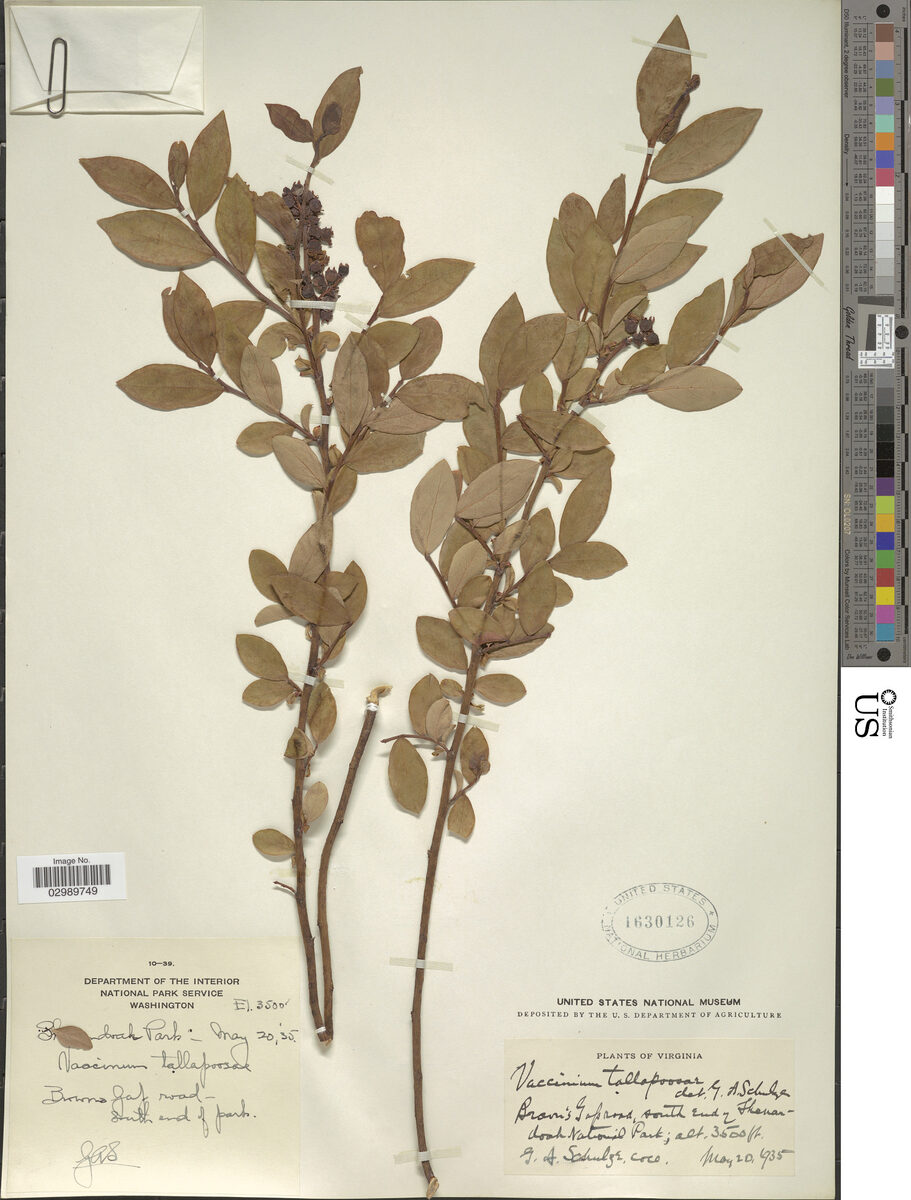
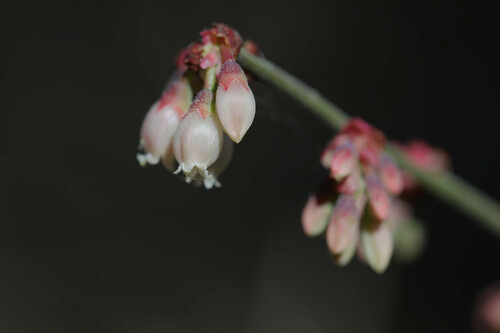
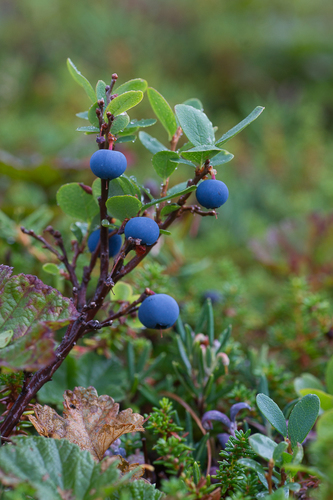
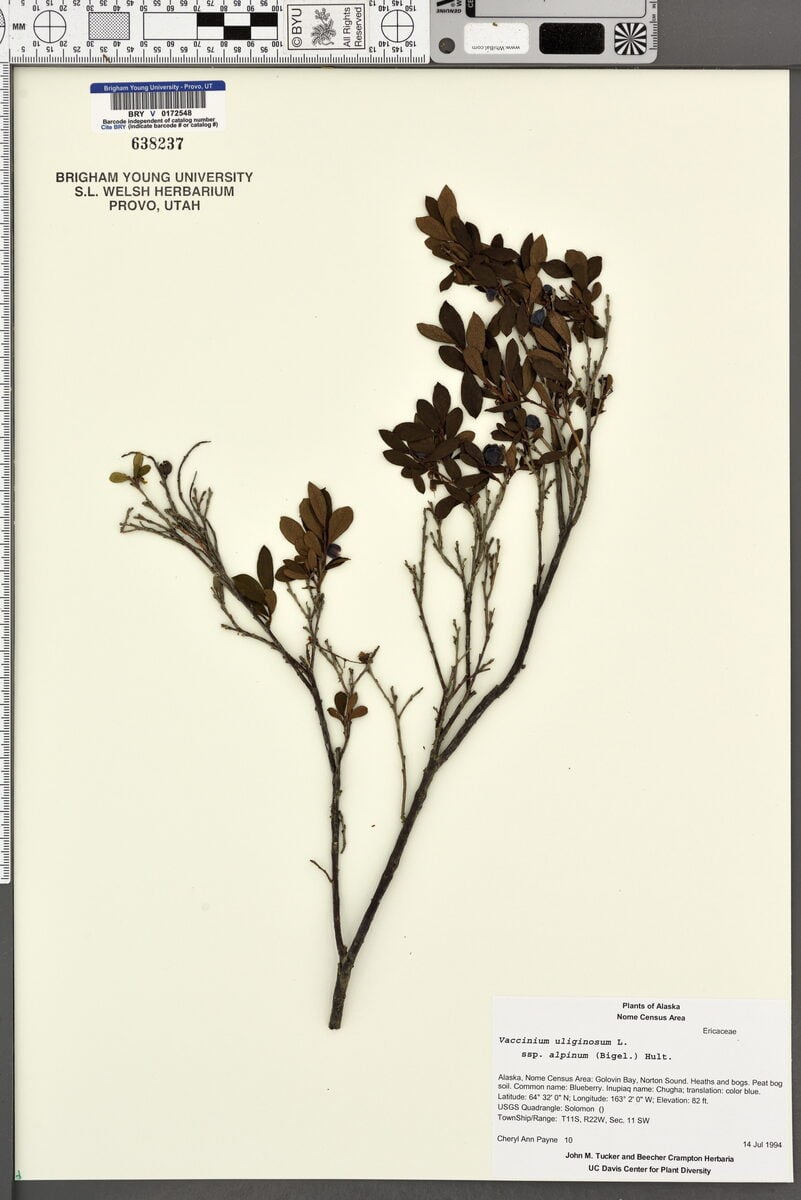
Rhododendron lapponicum
(L.) Wahlenb.
Lapland rose-bay
iNaturalist· cc-by-nc
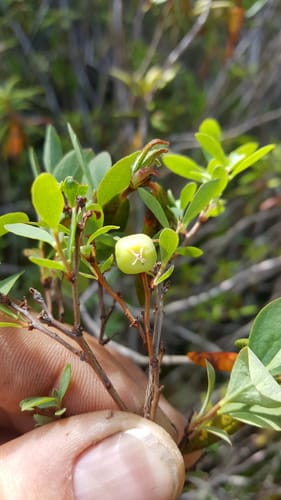
(c) wanderingeden, some rights reserved (CC BY-NC), uploaded by wanderingeden
iNaturalist· cc-by-nc
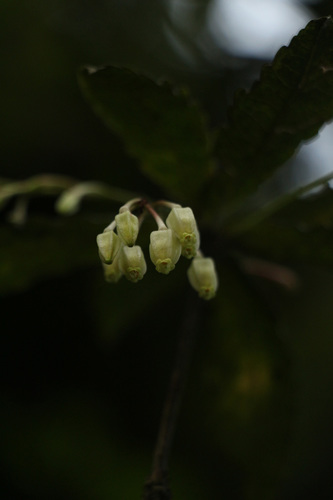
(c) sjl1, some rights reserved (CC BY-NC)
iNaturalist· cc-by-nc
(c) nigelbates928, some rights reserved (CC BY-NC)
Summary
Source: WikipediaRhododendron lapponicum is a dwarf species of Rhododendron native to arctic and subarctic regions of North America, Europe, and Asia. It is commonly known as Lapland Rosebay, Rhododendron de Laponie in French-speaking Canada, qijjuttaaqpait tipilitt (ᕿᔾᔪᑦᑖᖅᐸᐃᑦ ᑎᐱᓕᑦᑦ) in Inuktitut-speaking regions of Canada, and gāoshān dùjuān (高山杜鹃) in China. The specific epithet lapponicum was given to the species by Carl Linnaeus, naming it after the Swedish region of Lapland.
Description
A shrub. It is erect or can lie over. It has many branches. It grows 30 cm high. It keeps its leaves throughout the year. The leaves are leathery and dark green above but rusty coloured with hairs underneath. The flowers are purple and have a faint scent.
Edible Uses
A tea can be made from the leaves and flower tips.
Medicinal Uses
None known
Known Hazards
None known
Distribution
It grows in alpine and subarctic regions. It grows on open stony or gravelly tundra. It grows on non-acid rocks. In north China it grows in damp places between sea level and 1,900 m above sea level.
Where It Grows
Arctic, Asia, Canada, China, Europe, Greenland, Japan, Korea, Mongolia, North America, North Korea, Norway, Russia, Scandinavia, Siberia, USA,
Propagation
Sow seed in a greenhouse as soon as it is ripe in autumn, providing artificial light. Alternatively, sow in a lightly shaded part of a warm greenhouse in late winter, or in a cold greenhouse in April. Surface-sow and keep the compost consistently moist. Pot up seedlings once large enough to handle and grow on under glass for at least the first winter. Layering in late July takes 15–24 months. Cuttings of half-ripe wood taken in August and rooted in a frame are easy.
Other Uses
None known
Synonyms
References (4)
- Fl. lapp. 104. 1812
- Hedrick, U.P., 1919, (Ed.), Sturtevant's edible plants of the world. p 559
- Porsild, A.E., 1974, Rocky Mountain Wild Flowers. Natural History Series No. 2 National Museums of Canada. p 318
- Urgamal, M., Oyuntsetseg, B., Nyambayar, D. & Dulamsuren, Ch. 2014. Conspectus of the vascular plants of Mongolia. (Editors: Sanchir, Ch. & Jamsran, Ts.). Ulaanbaatar, Mongolia. “Admon“ Press. 334pp. (p. 79-90).