Pulicaria odora
Reichb.
iNaturalist· cc-by-nc
(c) Papageorgiou Nikolaos, some rights reserved (CC BY-NC)
iNaturalist· cc-by-nc
(c) Papageorgiou Nikolaos, some rights reserved (CC BY-NC)
iNaturalist· cc-by-nc
(c) Papageorgiou Nikolaos, some rights reserved (CC BY-NC)
Summary
Source: WikipediaPulicaria odora, also known as Mediterranean fleabane, is a species of plant from family Asteraceae. The plant can be found in pine woods and bushy places, and it also grows on sandy grounds. The leaves of the plant are cooked, and could be edible after it.
Description
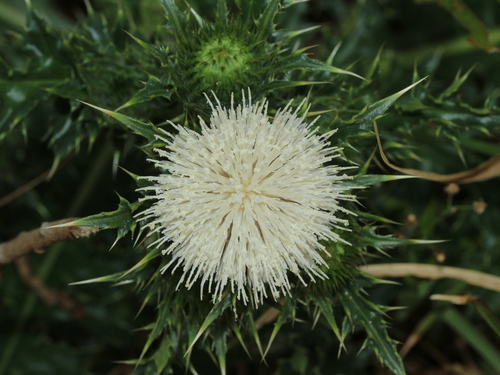
A softly hairy herb. It keeps growing from year to year. The stems are erect and branch higher up. The leaves at the base are oblong and they narrow towards their base. The leaves on the stem are arrow or heart shaped. They clasp the stem. The leaves are green above and grey and downy underneath. The leaves at the base remain at flowering time. The flowering heads are daisy like and golden yellow.
Edible Uses
The leaves are edible when cooked.
Medicinal Uses
No medicinal uses are known.
Distribution
It is a Mediterranean climate plant.
Where It Grows
Europe, France, Greece, Italy, Mediterranean, Middle East, Portugal, Spain, Turkey, Türkiye, Yemen,
Propagation
Seed.
Other Uses
No other uses are known.
References (2)
- Blamey, M and Grey-Wilson, C., 2005, Wild flowers of the Mediterranean. A & C Black London. p 439
- Hedrick, U.P., 1919, (Ed.), Sturtevant's edible plants of the world. p 535