Psidium grandifolium
Mart. ex DC.
Araca cinzento
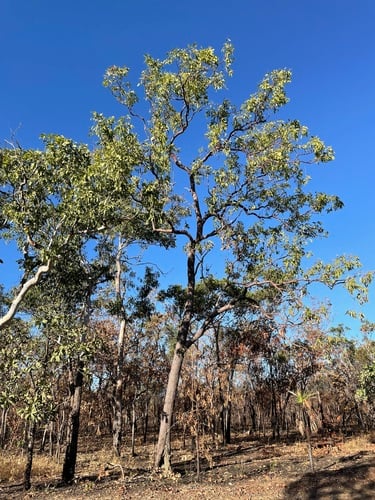
iNaturalist· cc-by-nc
(c) Laurent Quéno, some rights reserved (CC BY-NC), uploaded by Laurent Quéno
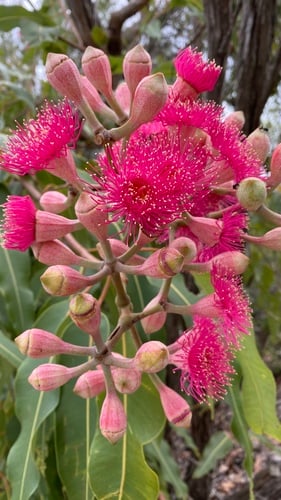
iNaturalist· cc-by-nc
(c) Laurent Quéno, some rights reserved (CC BY-NC), uploaded by Laurent Quéno
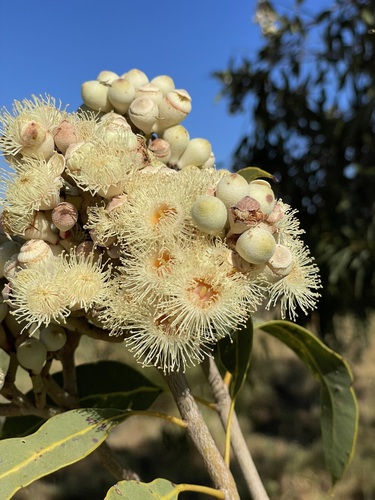
iNaturalist· cc-by-nc
(c) Laurent Quéno, some rights reserved (CC BY-NC), uploaded by Laurent Quéno
Description
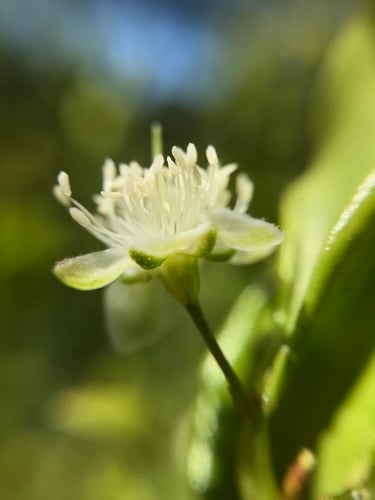
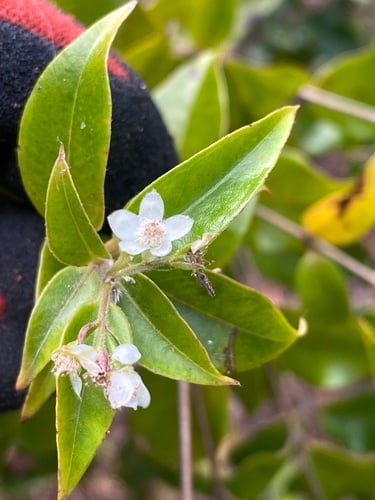
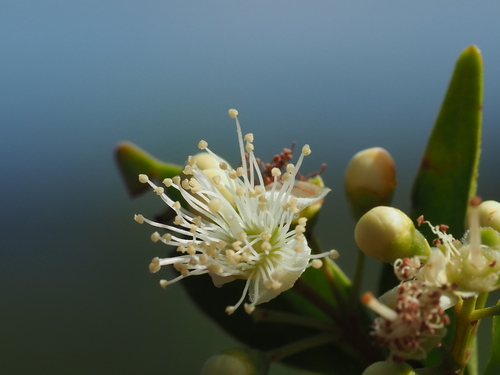
A shrub. It loses its leaves during the year. It grows 2-3 m tall. The flowers are white.
This description is brief — help expand it
Edible Uses
The ripe fruit are eaten raw.
Traditional Uses
The ripe fruit are eaten raw.
This uses section is brief — help expand it
Medicinal Uses
The leaves are astringent. The fruits are used in the treatment of haemorrhages.
Distribution
A tropical plant. It grows in savannah grassland. In Argentina it grows between 100-1,000 m above sea level.
Where It Grows
Argentina, Bolivia, Brazil, Guianas, Guyana, Paraguay, South America*, Suriname,
Other Uses
The wood is used for agricultural tools and small objects.
Synonyms
Also Known As
Araca catuba, Araca-cavalo
References (9)
- Donadio, L.C., J. Costa N. y C.K. do Sacramento, 1998, Frutas exóticas. Funep, Jaboticabal, Brasil
- Fern, K., 2012, Tropical Species Database http://theferns.info/tropical/
- Fouqué, A., 1972, Espèces fruitières d'Amérique tropicale. Institut français de recherches fruitierès outre-mer (As Psidium microcarpum)
- Hedrick, U.P., 1919, (Ed.), Sturtevant's edible plants of the world. p 531 (Also as Psidium cinereum var. incanescens)
- Kermath, B. M., et al, 2014, Food Plants in the Americas: A survey of the domesticated, cultivated and wild plants used for Human food in North, Central and South America and the Caribbean. On line draft. p 721 (As Psidium cinereum var. incanescens)
Show all 9 references Hide references
- Leal, M. L. et al, 2018, Knowledge, use, and disuse of unconventional food plants. Journal of Ethnobiology and Ethnomedicine (2018) 14:6
- Martin, F.W., C.W. Campbell and R.M. Ruberté, 1987, Perennial edible fruits of the tropics - An inventory. United States Department of Agriculture, Agricultural Research Service, Agriculture Handbook No. 642. Washington, D.C., USA (As Psidium incanescens)
- Prodr. 3:234. 1828 (As Psidium cinereum var. incanescens)
- www.colecionandofrutas.org