Acacia translucens
A. Cunn. ex Hook.
Poverty Bush
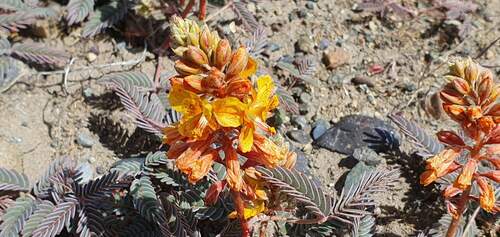
iNaturalist· cc-by-nc
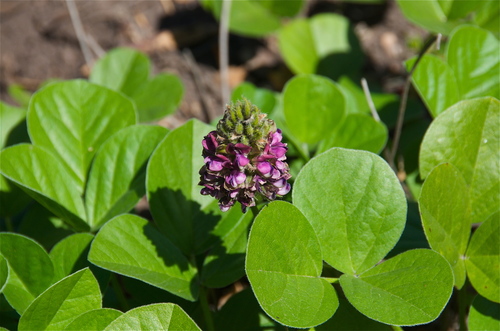
(c) Ian McMaster, some rights reserved (CC BY-NC), uploaded by Ian McMaster
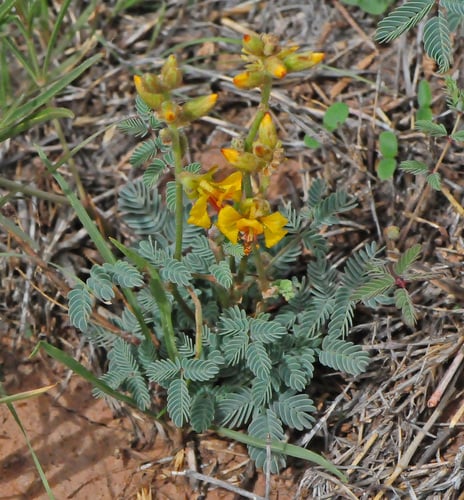
iNaturalist· cc-by-nc
(c) Mike and Cathy Beamish, some rights reserved (CC BY-NC)
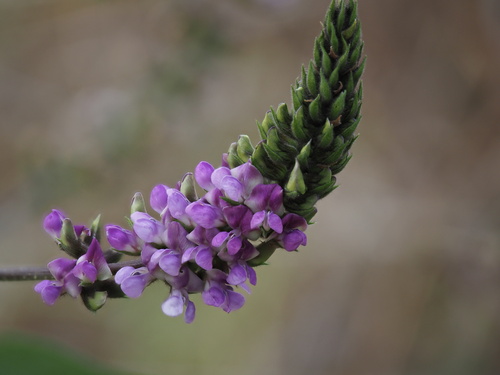
iNaturalist· cc-by-nc
(c) Mike and Cathy Beamish, some rights reserved (CC BY-NC)
Summary
Source: WikipediaAcacia translucens, commonly known as poverty bush, is a shrub that is endemic to a large area of north western Australia.
Description
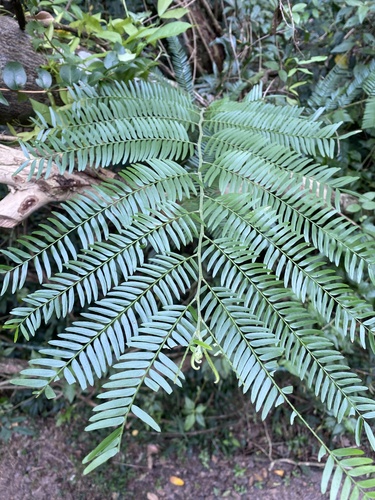
A shrub or small tree. It grows 5 m tall. There are prickles along the stem. The leaves are twice divided and there are 8-18 pairs of pinnae. There are up to 50 pairs of pinnules on each pinnae. The flowers are yellow. They are in large clusters at the ends of branches. The pods are flattened.
Edible Uses
The seeds are eaten, though they have a pungent taste and are not suitable for making damper bread. An edible grub occurs in the roots.
Traditional Uses
The seed is eaten. An edible grub occurs in the roots. (The seeds are not used for damper as they have a pungent taste.)
This uses section is brief — help expand it
Distribution
A native plant of northern Australia. It is a tropical plant. It will grow on most soils. It prefers a sunny open position. It is damaged by drought and frost. It occurs in open forest.
Where It Grows
Australia*,
Cultivation
It is grown from seed. The seed need treatment to break the hard seed coat. Normally this is by putting the seeds in very hot water and letting the water cool down overnight then planting the seeds immediately.
Production
Flowering is from February to November. The pods explode when ripe.
Notes
There are about 1,350 Acacia species. Over 1,000 occur in Australia. Also as Mimosaceae.
References (9)
- Bodkin, F., 1991, Encyclopedia Botanica. Cornstalk publishing, p 35
- Cherikoff V. & Isaacs, J., The Bush Food Handbook. How to gather, grow, process and cook Australian Wild Foods. Ti Tree Press, Australia p 42, 188
- Elliot, W.R., & Jones, D.L., 1982, Encyclopedia of Australian Plants suitable for cultivation. Vol 2. Lothian. p 123
- Icon. Pl. 2: t. 160. 1837
- Kenneally, K.E., Edinger, D. C., and Willing T., 1996, Broome and Beyond, Plants and People of the Dampier Peninsula, Kimberley, Western Australia. Department of Conservation and Land Management. p 134
Show all 9 references Hide references
- Paczkowska, G . & Chapman, A.R., 2000, The Western Australian Flora. A Descriptive Catalogue. Western Australian Herbarium. p 327
- Pennock, A., et al, Australian Dry-zone Acacias for Human Food: Proceedings of a Workshop.
- Petheram, R.J. and Kok, B., 2003, Plants of the Kimberley Region of Western Australia. UWA Press p 287
- Wheeler, J.R.(ed.), 1992, Flora of the Kimberley Region. CALM, Western Australian Herbarium, p 330