Poa flabellata
(Lam.) Raspail
Tussac-grass
iNaturalist· cc-by-nc
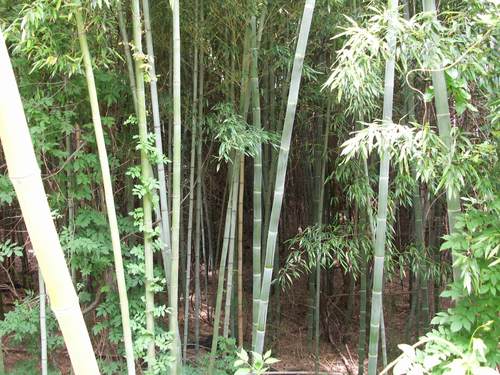
(c) J. Burke Korol, some rights reserved (CC BY-NC), uploaded by J. Burke Korol
iNaturalist· cc-by
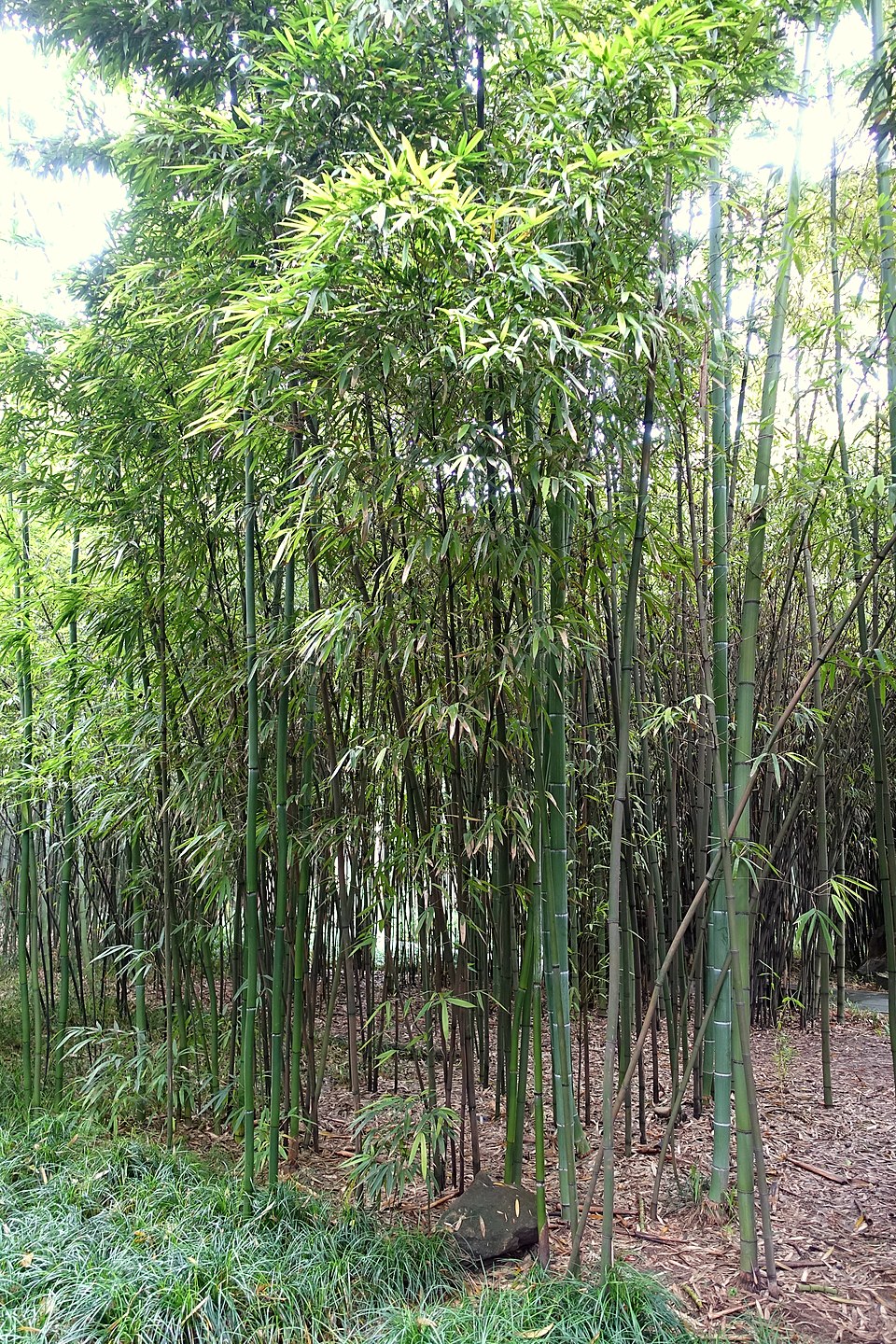
(c) Alison Copeland, some rights reserved (CC BY), uploaded by Alison Copeland
iNaturalist· cc-by-nc
(c) Roy Mackenzie, some rights reserved (CC BY-NC), uploaded by Roy Mackenzie
Summary
Source: WikipediaPoa flabellata, commonly known as tussac grass or just tussac, is a tussock grass native to Patagonia, the Falkland Islands, South Georgia and other islands in the South Atlantic. There are also two isolated records from the herbarium at the French Muséum national d'histoire naturelle for the Île Amsterdam in the Indian Ocean. It was introduced to Shetland, Scotland for basket making in 1844, and possibly as a source of fodder because of its ability to grow in hostile conditions.. It grows in dense clumps, usually about 2 metres (6 ft 7 in) high (although they can be much taller), on wet coastal land and is a dominant feature of much of the landscape.
Description
A grass. It keeps growing from year to year. The stalks can be 0.5-2 m tall and 2-5 mm across. The stems grow as a clump with a ring of leaves at the top.
Edible Uses
The base of the leaf stalk is edible, offering a juicy and fleshy section roughly 3cm long and as thick as an adult's finger. It has a very sweet, nutty flavour and makes for a pleasant morsel.
Traditional Uses
The lower part of the leaf stalk is chewed and eaten.
This uses section is brief — help expand it
Medicinal Uses
None known.
Distribution
It is a temperate plant. In Argentina it grows below 800 m above sea level. It is often along the coast on rocks.
Where It Grows
Argentina, Chile, Falkland Islands, South America,
Propagation
Surface sow seed in spring in a cold frame, keeping the compost consistently moist. Prick seedlings into individual pots once large enough to handle, and grow them on in the greenhouse through their first winter. Plant out into permanent positions in late spring or early summer, after the last expected frosts. Division in spring is also straightforward — larger divisions can go directly into permanent positions. Smaller divisions are better potted up and grown on in light shade in a cold frame until well established, then planted out in late spring or early summer.
Other Uses
None known.
Synonyms
References (3)
- Ann. Sci. Observ. 2:86, t. 4, fig. 11. 1829
- Leon-Lobos, P., et al, 2022, Patterns of Traditional and Modern Uses of Wild Edible Native Plants of Chile: Challenges and Future Perspectives. Plants (Basel) v 11 (6) Table S1
- Upson, R., & Lewis R., 2014, Updated Vascular Plant Checklist and Atlas for the Falkland Islands. Falklands Conservation and Kew.