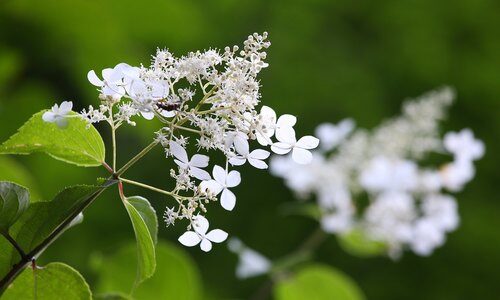
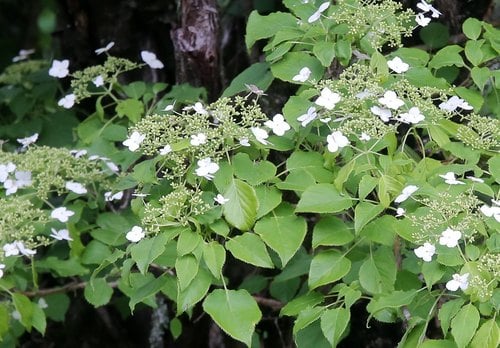
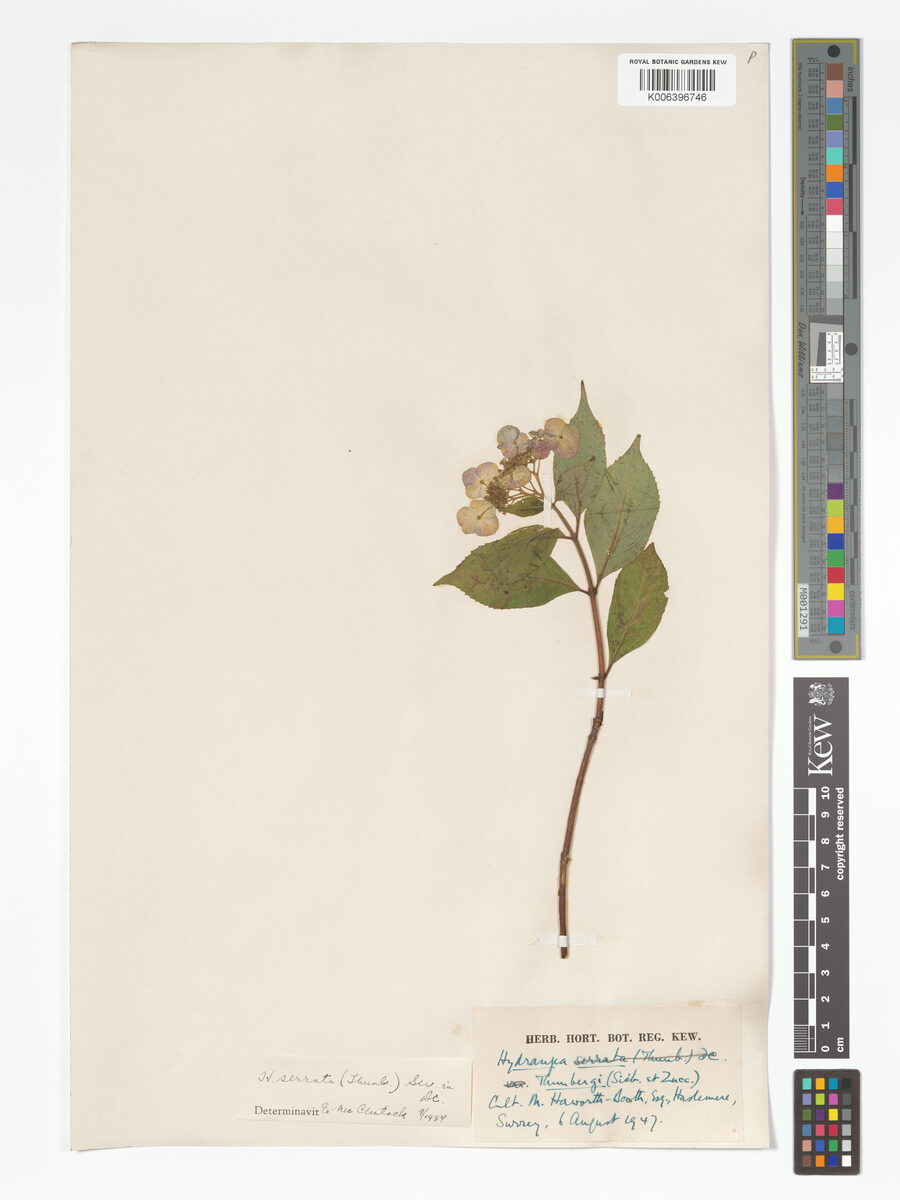
Platycrater arguta
Sieb. & Zucc.
Tea-of-heaven
iNaturalist· cc-by-nc
(c) 李博恒, some rights reserved (CC BY-NC)
iNaturalist· cc-by-nc
(c) 李博恒, some rights reserved (CC BY-NC)
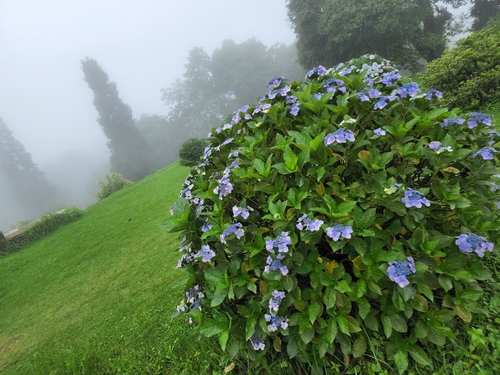
iNaturalist· cc-by-nc
(c) 李博恒, some rights reserved (CC BY-NC)
Summary
A deciduous shrub reaching 1 m tall by 0.5 m wide with hermaphrodite flowers appearing in July and seeds maturing September to October. Hardy to UK zone 8. Tolerates light sandy, medium loamy, and heavy clay soils across mildly acidic to basic pH ranges. Grows in semi-shade conditions and prefers consistently moist soil.
Description
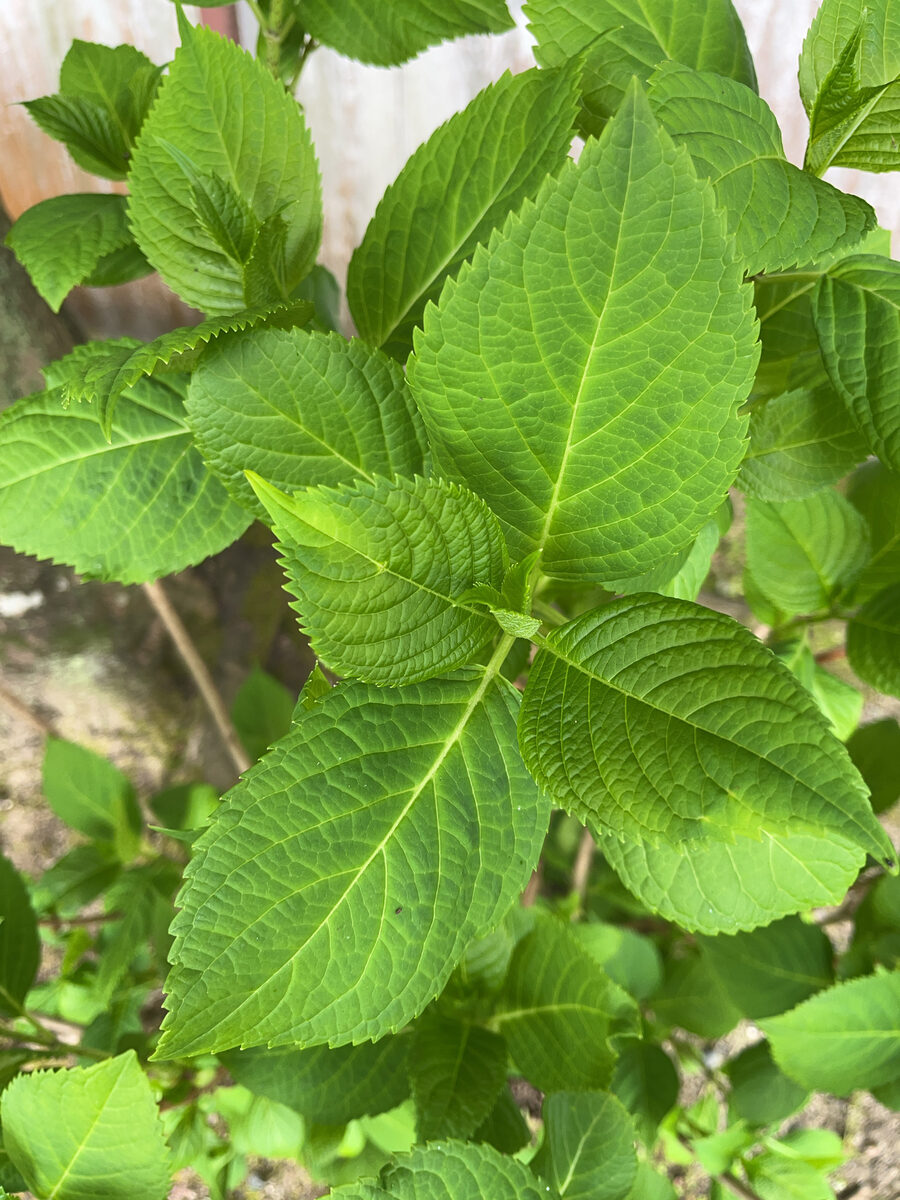
A shrub. It loses its leaves during the year. The stems are erect of can lie along the ground and form roots at the nodes. The leaves are opposite and clasp the stem.
Edible Uses
A tea is made from the leaves.
Medicinal Uses
Miscellany None known
Distribution
It is a temperate plant. It grows in forests and near streams between 400-1,800 m above sea level.
Where It Grows
Asia, China, Japan,
Cultivation
Prefers a moist position and some shade. Grows well in a rock garden. Plants are not very hardy in Britain, but they succeed outdoors in the milder areas of the country.
Propagation
No specific information is available for this species, but surface-sowing the seed in a greenhouse in early spring is suggested. Do not allow the compost to dry out. Prick seedlings out into individual pots when large enough to handle and grow on in the greenhouse for at least the first winter, then plant out into permanent positions in late spring. Cuttings of half-ripe wood, 5–8 cm taken at a node or with a heel, can be taken in July or August in a frame with a good success rate. Layering is also an option.
Other Uses
This plant makes a useful and attractive ground cover. An infusion of the leaves is used by Buddhists to wash or baptise statues of the Buddha.
References (2)
- Flora of China @ efloras.org Volume 8
- Hedrick, U.P., 1919, (Ed.), Sturtevant's edible plants of the world. p 507