Garcinia ovalifolia
Oliver
iNaturalist· cc-by-nc
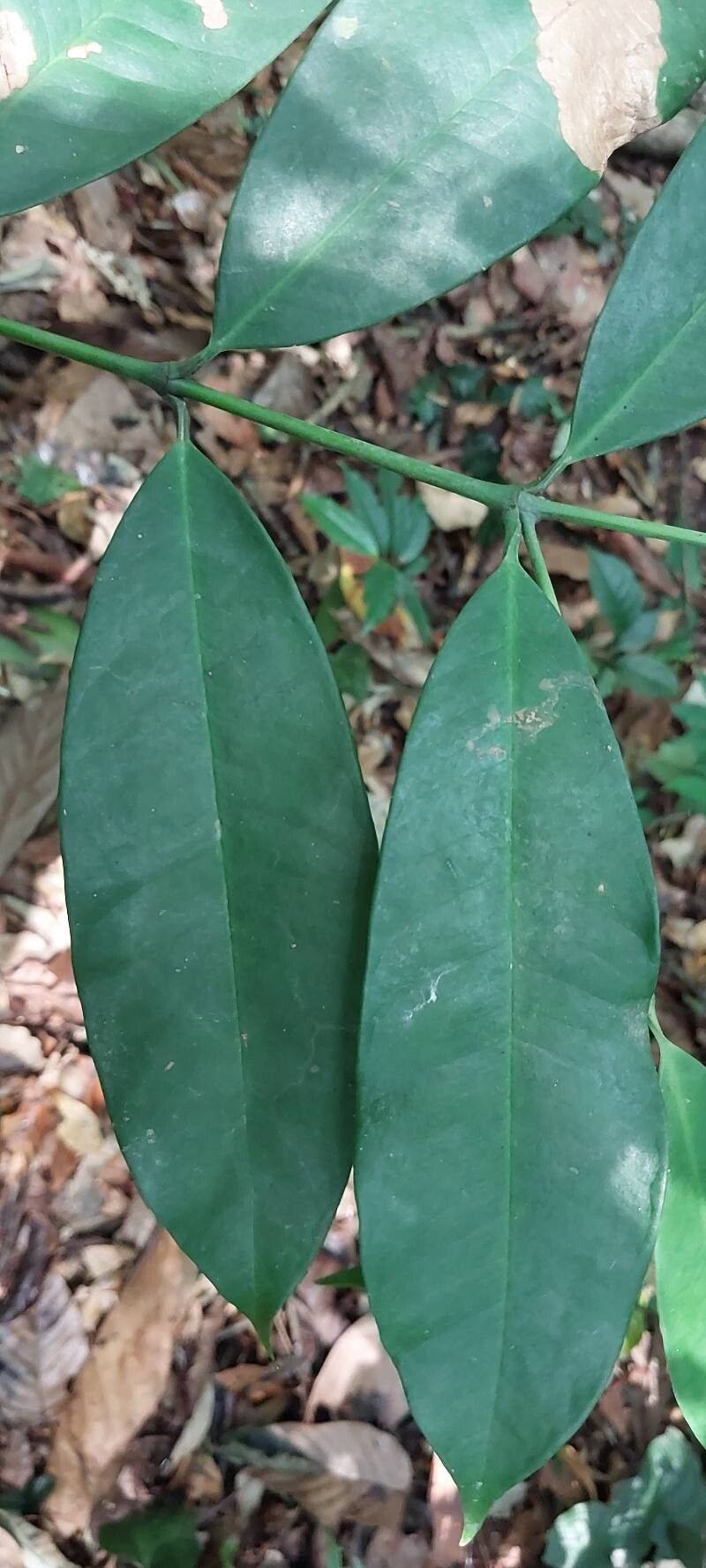
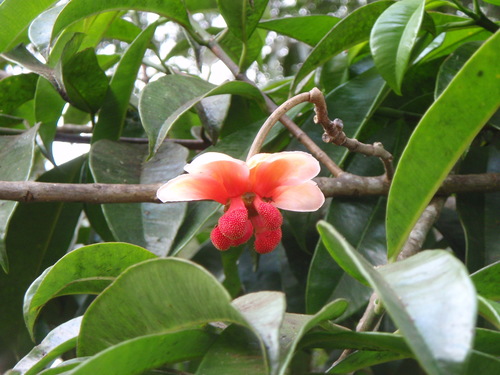
(c) Carel Jongkind, some rights reserved (CC BY-NC), uploaded by Carel Jongkind
iNaturalist· cc-by-nc
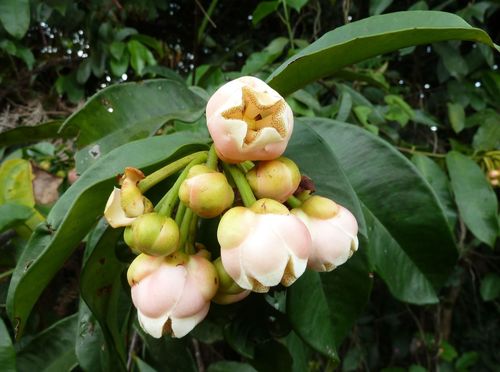
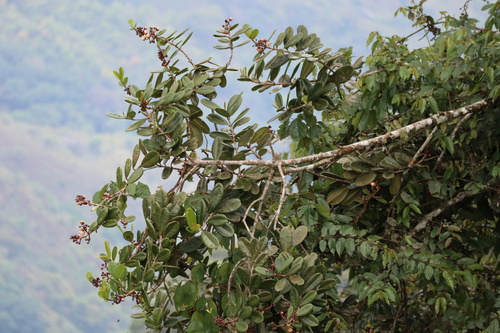
(c) Carel Jongkind, some rights reserved (CC BY-NC)
Description
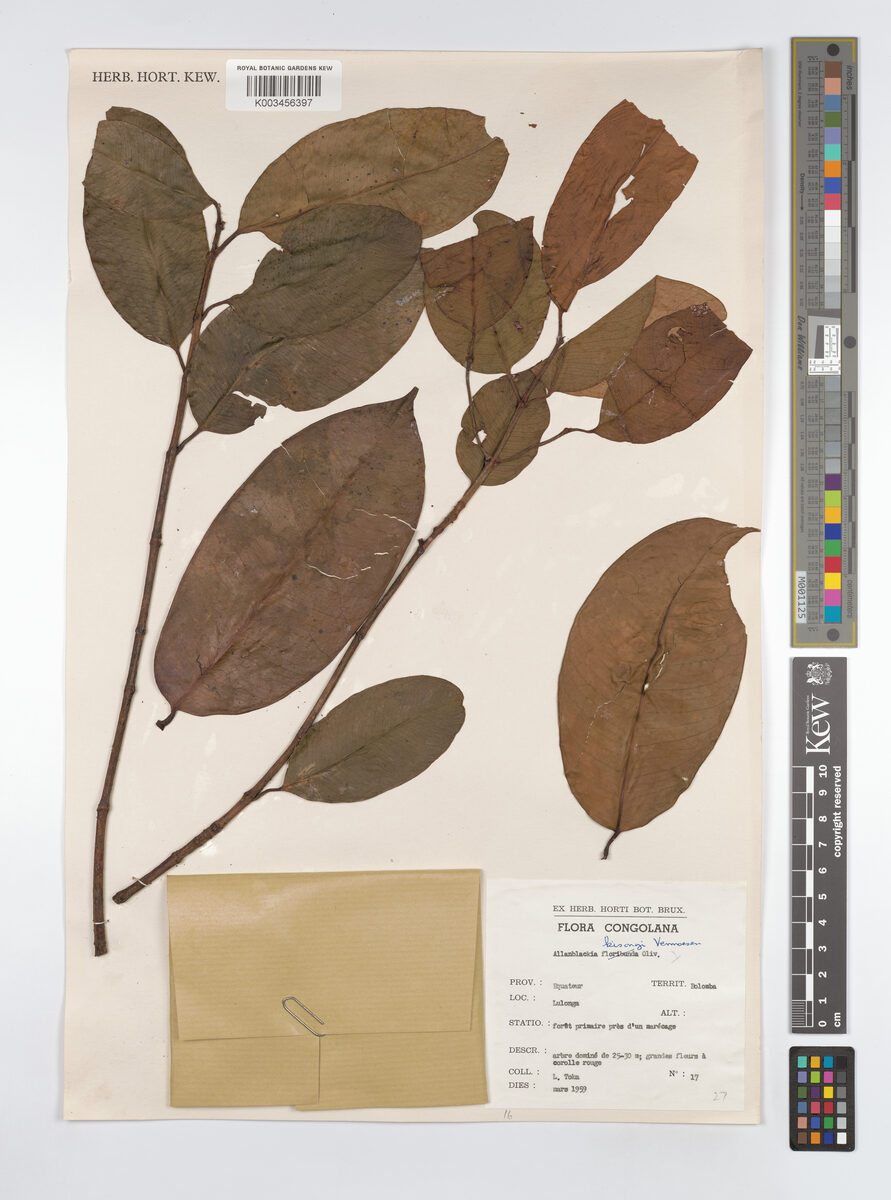
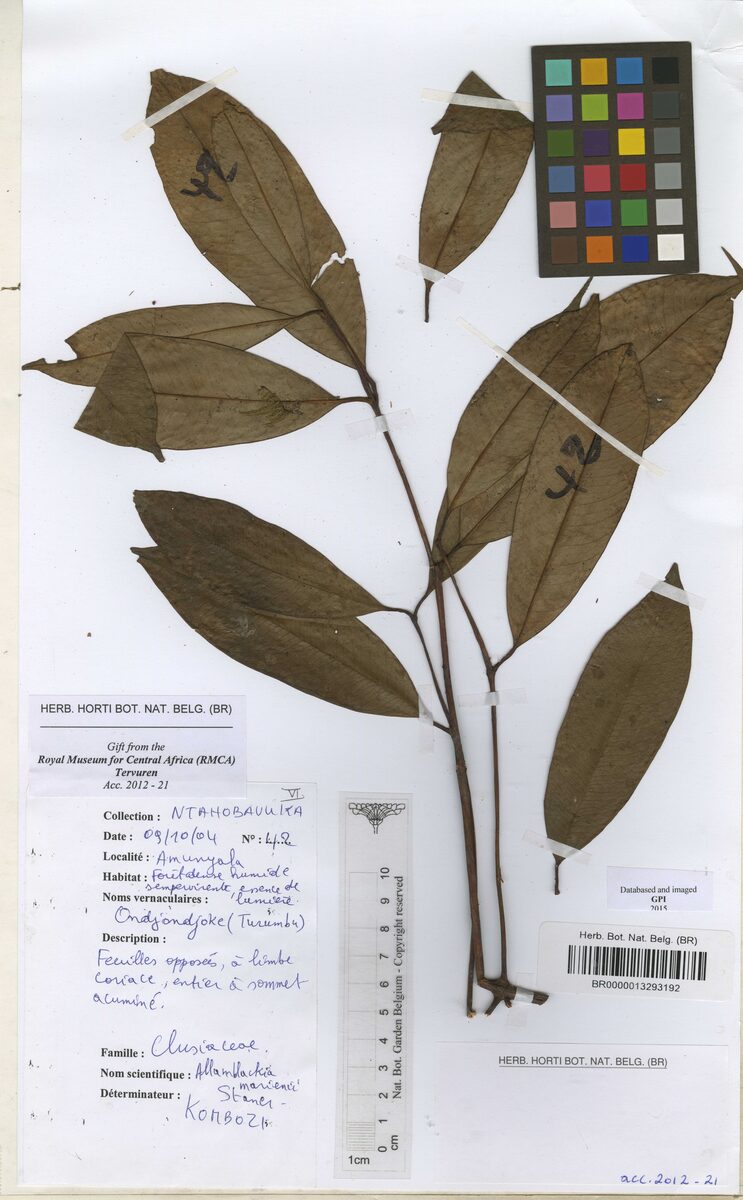
A small tree. It grows 10-15 m tall. The leaves are opposite. The leaves are oval but broadest in the middle and taper to a long tip. They are dark green above and dull underneath. The flowers are pale greenish-cream. Two of the sepals are larger than the other two. The fruit are orange-brown.
Edible Uses
The fruits are eaten.
Medicinal Uses
No medicinal properties have been seen for this species as yet, but there are reports that it contains several potentially interesting compounds. Flavonins have been reported in the bark and roots, as well as traces of saponins and tannins. Steroids and terpenes are reported in the fruits, leaves bark and roots.
Distribution
A tropical plant. It grows in the African tropics. It grows in seasonally flooded forests and along rivers.
Where It Grows
Africa, Angola, Burkina Faso, Central Africa, Central African Republic, CAR, Congo R., East Africa, Ethiopia, Gabon, Guinea, Guinée, Sierra Leone, Uganda, West Africa,
Cultivation
A dioecious species, both male and female forms usually need to be grown if fruit and seed are required. At least some dioecious Garcinia species, however, are able to produce fertile seed even in the absence of fertilization (asexual reproduction). Such seeds would be expected to be genetically identical to the parent
Propagation
Seed - we have no specific information on this species, but the seed of most members of the genus can be slow to germinate, even if sown fresh, often taking 6 months or more.
Other Uses
The wood is used for making canoes.
Production
IN Central African Republic flowers have been recorded in January and February and fruit in May.
Synonyms
Also Known As
Karawwayyuu
References (2)
- Hedrick, U.P., 1919, (Ed.), Sturtevant's edible plants of the world. p 325
- Lulekal, E., et al, 2011, Wild edible plants in Ethiopia: a review on their potential to combat food insecurity. Afrika Focus - Vol. 24, No 2. pp 71-121