Quaqua incarnata
(L. f.) Bruyns
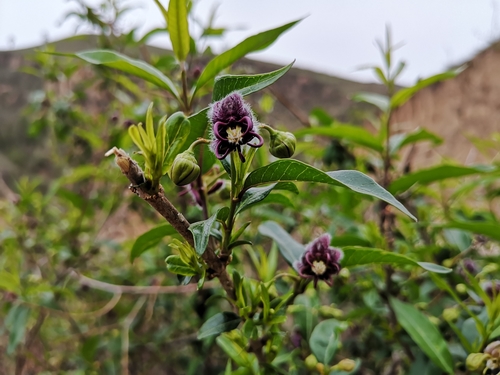
iNaturalist· cc-by-nc
(c) Carina Lochner, some rights reserved (CC BY-NC), uploaded by Carina Lochner
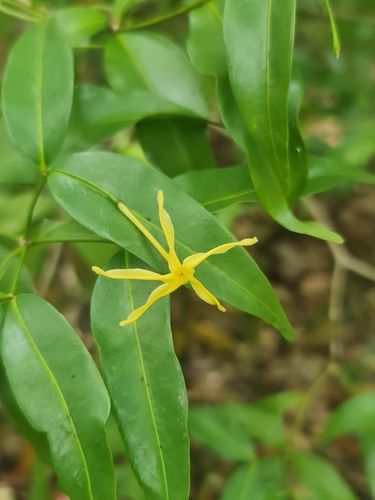
iNaturalist· cc-by-nc
(c) Carina Lochner, some rights reserved (CC BY-NC), uploaded by Carina Lochner
Summary
Source: WikipediaQuaqua incarnata is a species of succulent plant in the genus Quaqua. It is endemic to southwestern Namibia and to the Namaqualand region in the western Cape Provinces of South Africa.
Description
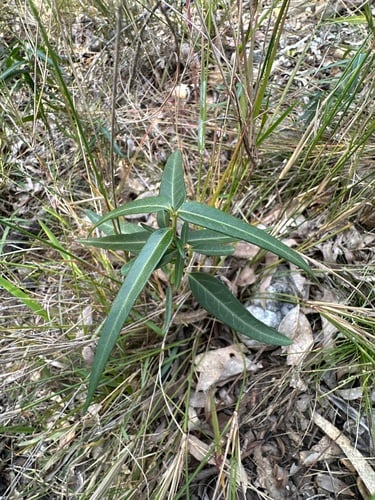
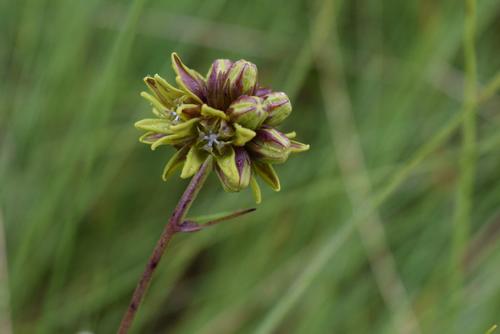
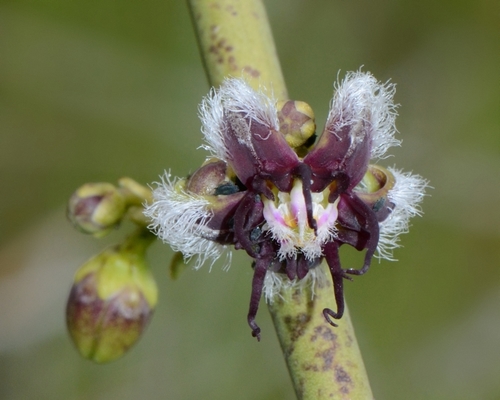
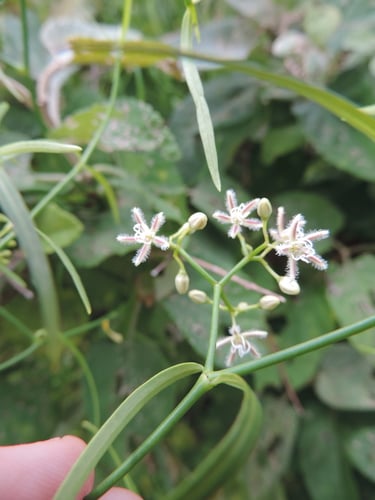
A small plant. It grows 10-15 cm tall. It branches at the base. The branches are angled and 1-3 cm across. There are teeth 5-8 cm long. They are stout and cone like with spine like tips. The flowers are in small clusters of 6-10 along the grooves of the stem. The flowers are tube shaped and pale greenish-yellow.
Edible Uses
The stem is eaten as a vegetable and in salads after the edges and prickles are peeled off.
Traditional Uses
The edges and prickles are peeled off then the plant is eaten. The stem is eaten as a vegetable and in salads.
This uses section is brief — help expand it
Known Hazards
Caution advised when consuming.
Distribution
It is a subtropical plant.
Where It Grows
Africa, South Africa, Southern Africa,
Notes
There are about 56-100 Caralluma species. These are sometimes put in the Asclepiadaceae.
Synonyms
Also Known As
Aroena
References (5)
- Hedrick, U.P., 1919, (Ed.), Sturtevant's edible plants of the world. p 111 (As Caralluma incarnata)
- Ruiters-Welcome, A. K., 2019, Food plants of southern Africa. Ph.D. thesis. Univ. of Johannesburg p 27
- van Wyk, B-E., 2011, The potential of South African plants in the development of new food and beverage products. South African Journal of Botany 77 (2011) 857–868
- Welcome, A. K. & Van Wyk, B.-E., 2019, An inventory and analysis of the food plants of southern Africa. South African Journal of Botany 122 (2019) 136–179
- www.theplantlist.org