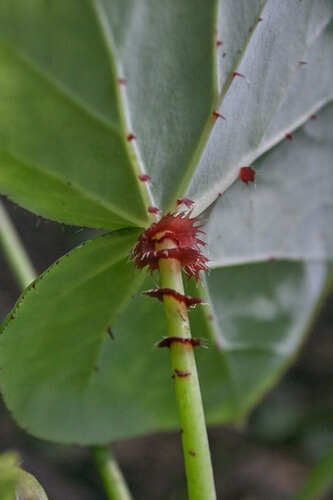
Begonia annulata
K. Koch
Begonia, Tengoor
iNaturalist· cc-by-nc
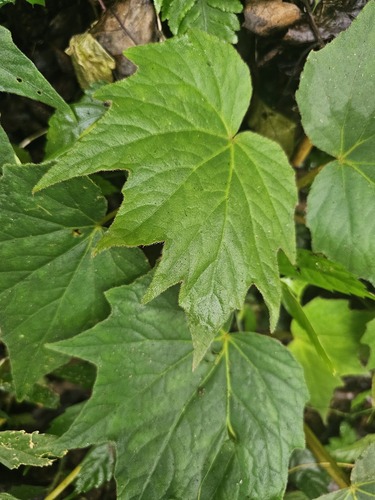
(c) Peter Zika, some rights reserved (CC BY-NC), uploaded by Peter Zika
iNaturalist· cc-by-nc
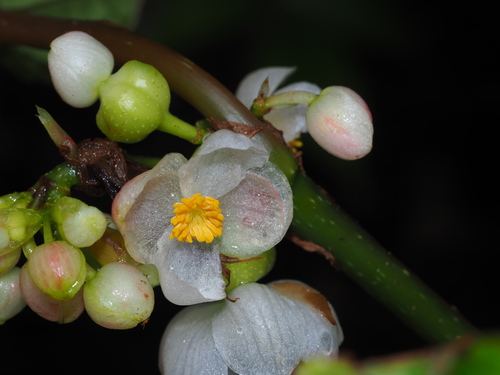
(c) Rinzin Dorji, some rights reserved (CC BY-NC), uploaded by Rinzin Dorji
iNaturalist· cc-by-nc
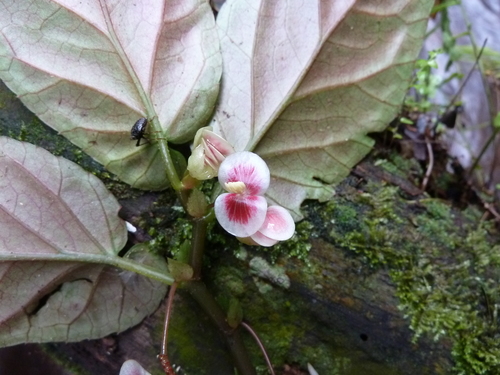
(c) Mark Fishbein, some rights reserved (CC BY-NC)
Summary
Source: WikipediaBegonia annulata, the ringed begonia, is a species of flowering plant in the family Begoniaceae. It is native to the eastern Himalaya, Bangladesh, Assam in India, Myanmar, and Vietnam. It has gained the Royal Horticultural Society's Award of Garden Merit.
Description
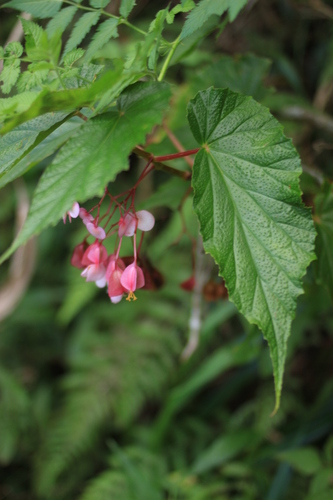
A herb. It grows 10-20 cm tall. The leaves are simple and alternate. They are oval and have teeth. The flowers are white. The fruit are 3-angled capsules.
Edible Uses
The leaves are eaten as a pot herb and used in chutney, with leaves sold in local markets.
Traditional Uses
The leaves are eaten as a pot herb. They are used in chutney.
This uses section is brief — help expand it
Distribution
A tropical plant. It cannot tolerate frost. It suits hardiness zones above 10.
Where It Grows
Asia, Bangladesh, Bhutan, Himalayas, India, Malaysia, Myanmar, Northeastern India, SE Asia,
Other Information
Leaves are sold in local markets.
Notes
There are 1,400-1,500 Begonia species.
Synonyms
Also Known As
Lalruanga-dar-nawhna, Tokpata
References (5)
- BARC, 2016, State of Biodiversity for Food and Agriculture in Bangladesh. Bangladesh Agricultural Research Council. (As Begonia barbata)
- Bircher, A. G. & Bircher, W. H., 2000, Encyclopedia of Fruit Trees and Edible Flowering Plants in Egypt and the Subtropics. AUC Press. p 55 (As Begonia barbata)
- Hedrick, U.P., 1919, (Ed.), Sturtevant's edible plants of the world. p 95 (As Begonia barbata)
- Kar, A., et al, 2013, Wild Edible Plant Resources used by the Mizos of Mizoram, India. Kathmandu University Journal of Science, Engineering and Technology. Vol. 9, No. 1, July, 2013, 106-126 (As Begonia barbata)
- Yeshi, K. et al, 2017, Taxonomical Identification of Himalayan Edible Medicinal Plants in Bhutan and the Phenolic Contents and Antioxidant Activity of Selected Plants. TBAP 7 (2) 2017 pp 89 - 106