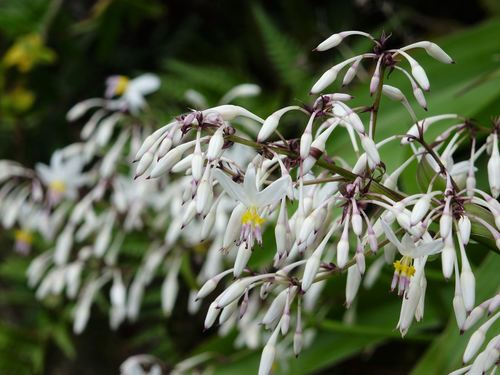
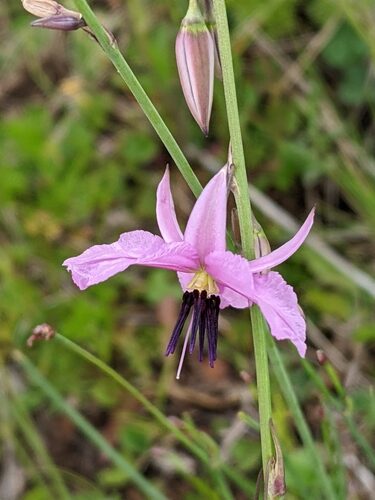
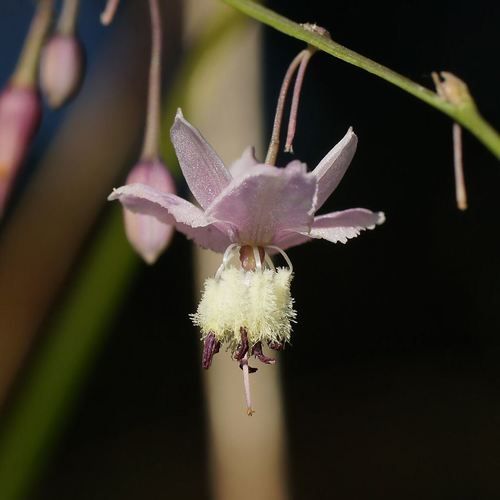
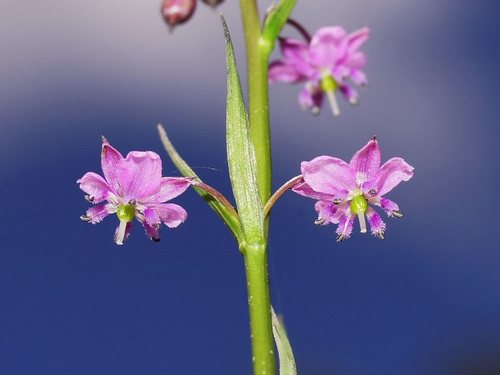
Chlorophytum borivilianum
Santapau & Fernandes
Kulai
iNaturalist· cc0
no rights reserved, uploaded by S.MORE
iNaturalist· cc0
no rights reserved, uploaded by S.MORE
iNaturalist· cc0
no rights reserved, uploaded by S.MORE
Summary
Source: WikipediaChlorophytum borivilianum is a herb with lanceolate leaves, from tropical wet forests in the peninsular Indian region. It is cultivated and eaten as a leaf vegetable in some parts of India, and its roots are used as a health tonic under the name safed musli. In traditional Indian medicine, it is used as rasayan or adaptogen. It is considered a white gold in Indian systems of medicine. This herb belongs to the vajikaran rasayana group in Ayurveda. It is commonly known by various vernacular names in India such as safed musli (Hindi), swetha musli (Kannada), tella nela tadi (Telugu), taniravi thang (Tamil), Dholi Musli (Gujarati) and khairuwa (Chhattisgarhi).
Description
A tropical herb with bundled roots in the Asparagaceae family, found in moist gravel soil.
This description is brief — help expand it
Edible Uses
The leaves are used as a vegetable. The leaves and bulbs are stir-fried and eaten.
Traditional Uses
The leaves are used as a vegetable. The leaves and bulbs are stir-fried and eaten.
This uses section is brief — help expand it
Medicinal Uses
Traditionally, safed musli is classified in Ayurveda as a rasayana and vajikaran herb. Modern studies have identified more than 25 phytochemicals with antioxidant and anti-inflammatory properties, and ongoing research explores its potential in treating arthritis, diabetes, and male fertility issues.
Distribution
A tropical plant. It grows in moist gravel soil.
Where It Grows
Asia, India,
Cultivation
Chlorophytum species require a frost free climate, and can succeed from the subtropical zone to the tropics, in moist to humid climates. Species in this genus seem to be adapted to a wide range of conditions in cultivation, though they are generally found in soils rich in organic matter and can succeed in full sun or in shade This species is increasingly being cultivated as a medicinal crop in India, especially in the rainy season, when a commercial root harvest can be obtained in 3 - 4 months from planting. The collection of Chlorophytum roots from the wild for medicinal purposes is usually carried out before seed maturity, thus hampering natural regeneration and reducing native populations. In nature, Moosli propagates vegetatively through its fleshy roots., rarely by seed. The black angular seed is similar to onion seed in appearance. Seed have poor germination and low viability.
Propagation
Seed - only around 16% of seed produced is viable. Seed has a dormancy period of around 8 - 9 months after ripening, Sow in a tray, pricking out the seedlings into individual pots as soon as they are large enough to handle. Grow on for the first year in the pot, planting out before the start of the rainy season. Most plants do not flower in their first year of growth, though 2 - 3% of the seedlings will flower within 3 months in cultivation. Division of the tubers before the rainy season starts.
Notes
There are between 100-150-215 Chlorophytum species. They are mostly in the tropics. Also put in the family Anthericaceae and Liliaceae.
Also Known As
Kuvlu, Saphed musali
References (3)
- Chauhan, S. H., et al, 2018, Consumption patterns of wild edibles by the Vasavas: a case study from Gujarat, India. Journal of Ethnobiology and Ethnomedicine (2018) 14:5
- Rahangdale, D.R. & Rahangdale, S.S., 2014, Potential Wild Edible Plant Resources from Maharashtra Future Prospects for their Conservation and Improvement. Life Science Leaflets. http://lifesciencesleaflets.ning.com
- Vartak, V.D. and Kulkarni, D.K., 1987, Monsoon wild leafy vegetables from hilly regions of Pune and neighbouring districts, Maharashtra state. J. Econ. Tax. Bot. Vol. 11 No. 2 pp 331-335