Coccoloba pubescens
L.
Platter-leaf, Mountain grape
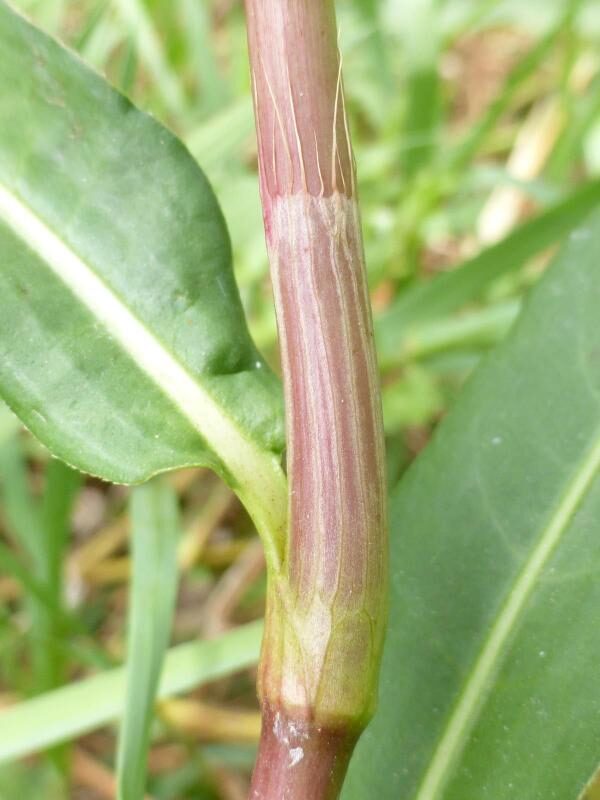
iNaturalist· cc-by-nc-sa
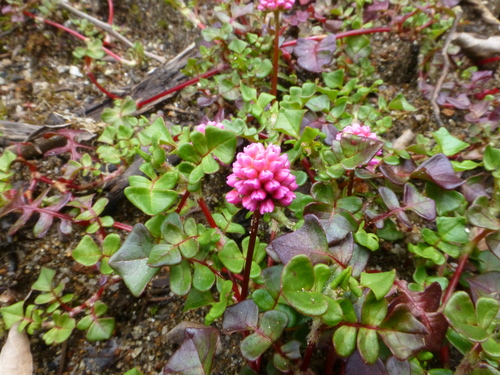
(c) Tony Rodd, some rights reserved (CC BY-NC-SA)
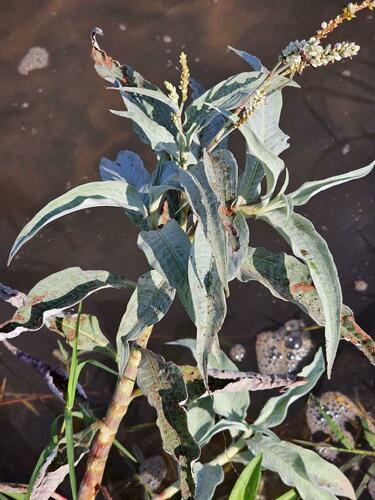
iNaturalist· cc-by-nc
(c) Jardin Boricua, some rights reserved (CC BY-NC)
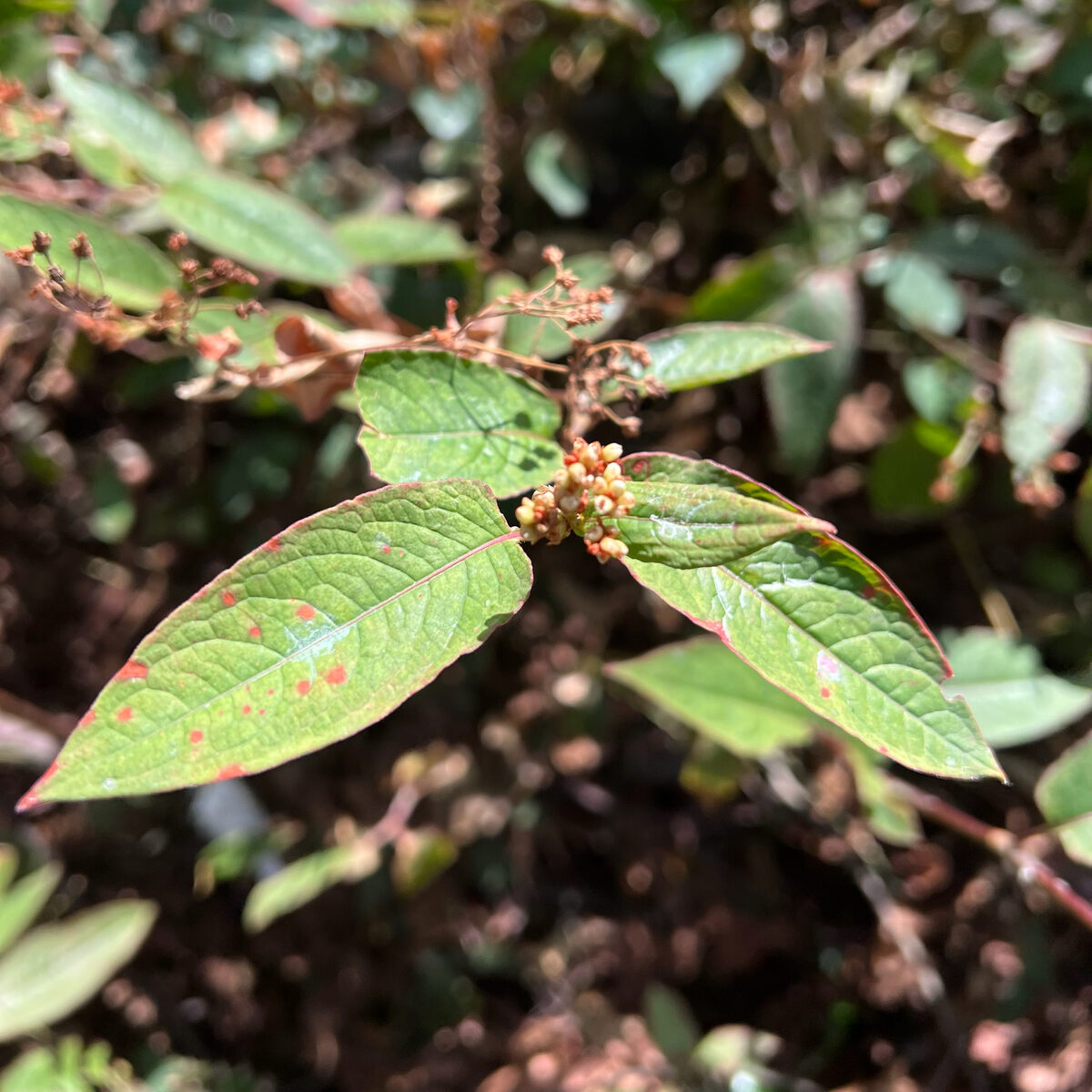
iNaturalist· cc-by-nc
(c) Martin Reith, some rights reserved (CC BY-NC)
Summary
Source: WikipediaCoccoloba pubescens, known as grandleaf seagrape, largeleaf, mountain-grape, and Eve's umbrella, is a species of Coccoloba native to coastal regions of the Caribbean: on Antigua, Barbados, Barbuda, Dominica, Hispaniola, Martinique, Montserrat, and Puerto Rico.
Description
A tree. It grows 13 m high. The leaves are round. They are softly hairy underneath. They clasp the stem at the base. Sapling leaves can be 50 cm by 80 cm. Mature leaves are 7.5 cm by 10 cm. The flowers are in a spike at the end. These can be 18 cm long and have greenish-white flowers. The fruit is round. It is 6 mm across and green with red tinges.
Edible Uses
The round fruits are eaten fresh.
Traditional Uses
The fruit are eaten.
This uses section is brief — help expand it
Distribution
A tropical plant. Cairns Botanical Gardens.
Where It Grows
Australia, Caribbean, Central America, Cuba, Dominican Republic, Haiti, Puerto Rico, St. Kitts and Nevis, West Indies,
Cultivation
Prefers a moist but well-drained fertile soil. A slow-growing plant. A dioecious species, both male and female forms need to be grown if fruit and seed are required.
Propagation
Seed - sow in containers at 20c. Greenwood cuttings Air layering.
Other Uses
The heartwood is reddish brown, with pores marked by dark gum; the sapwood is whitish. The wood is very hard, strong, heavy, resistant and durable, being resistant to attacks by dry-wood termites. It is used for general carpentry, construction and furniture.
Notes
There are between 120-200 Coccoloba species in tropical America.
Synonyms
Also Known As
Oreja de elefante
References (5)
- Barwick, M., 2004, Tropical and Subtropical Trees. A Worldwide Encyclopedic Guide. Thames and Hudson p 123
- Ekman Herbarium records Haiti
- Fouqué, A.. 1972, Espèces fruitières d'Amérique tropicale. Institut français de recherches fruitierès outre-mer
- Miguel, E., et al, 1989, A checklist of the cultivated plants of Cuba. Kulturpflanze 37. 1989, 211-357
- Syst. nat. ed. 10, 2:1007. 1759