Salacia macrophylla
Blume
Kaciput
wikimedia· cc0
Wikimedia Commons - Aken, J. van
Description
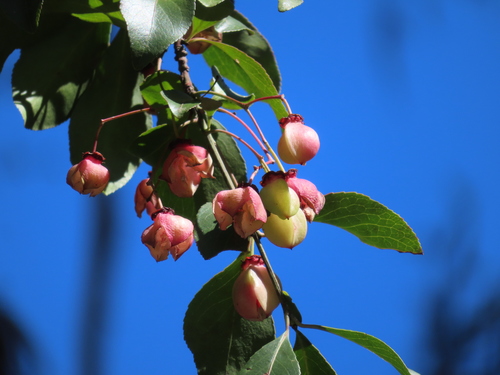
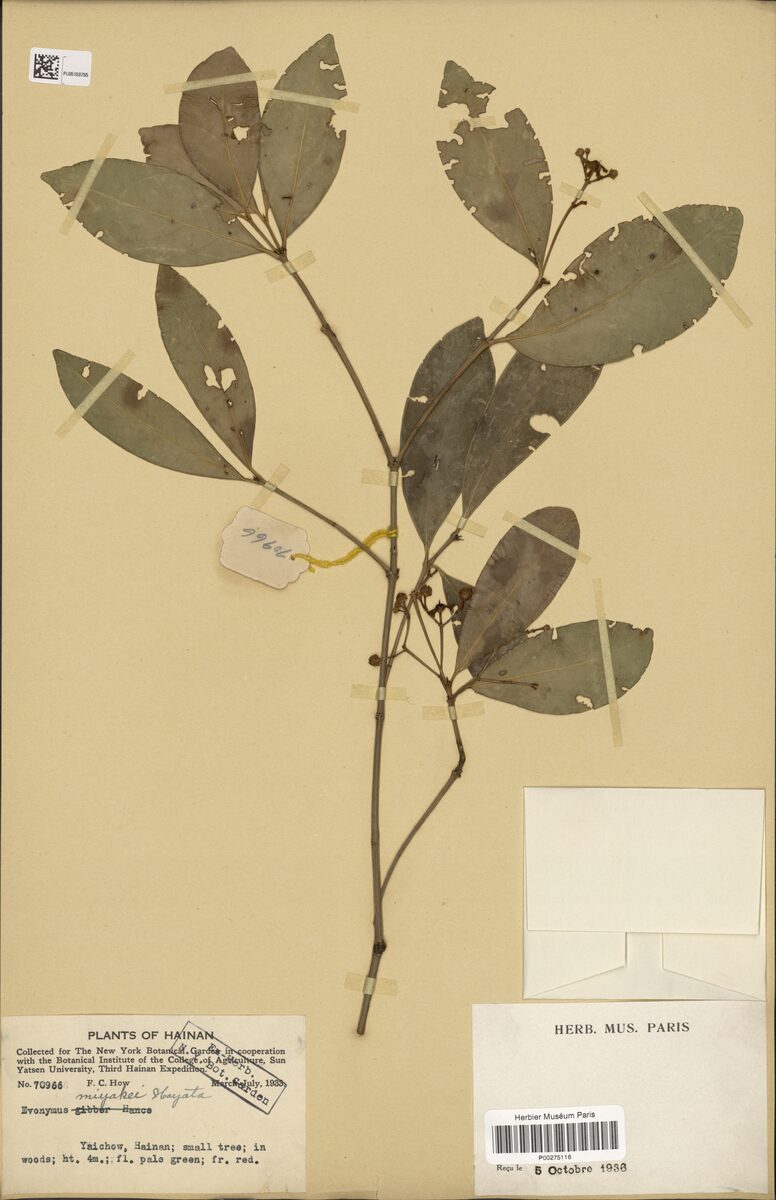
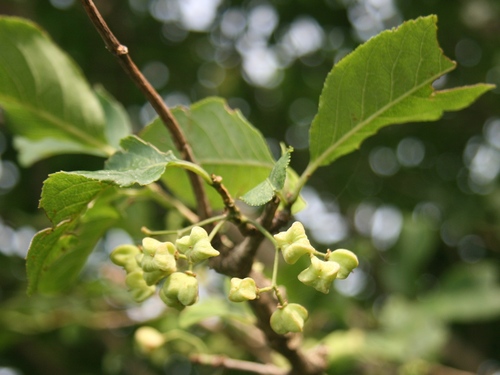
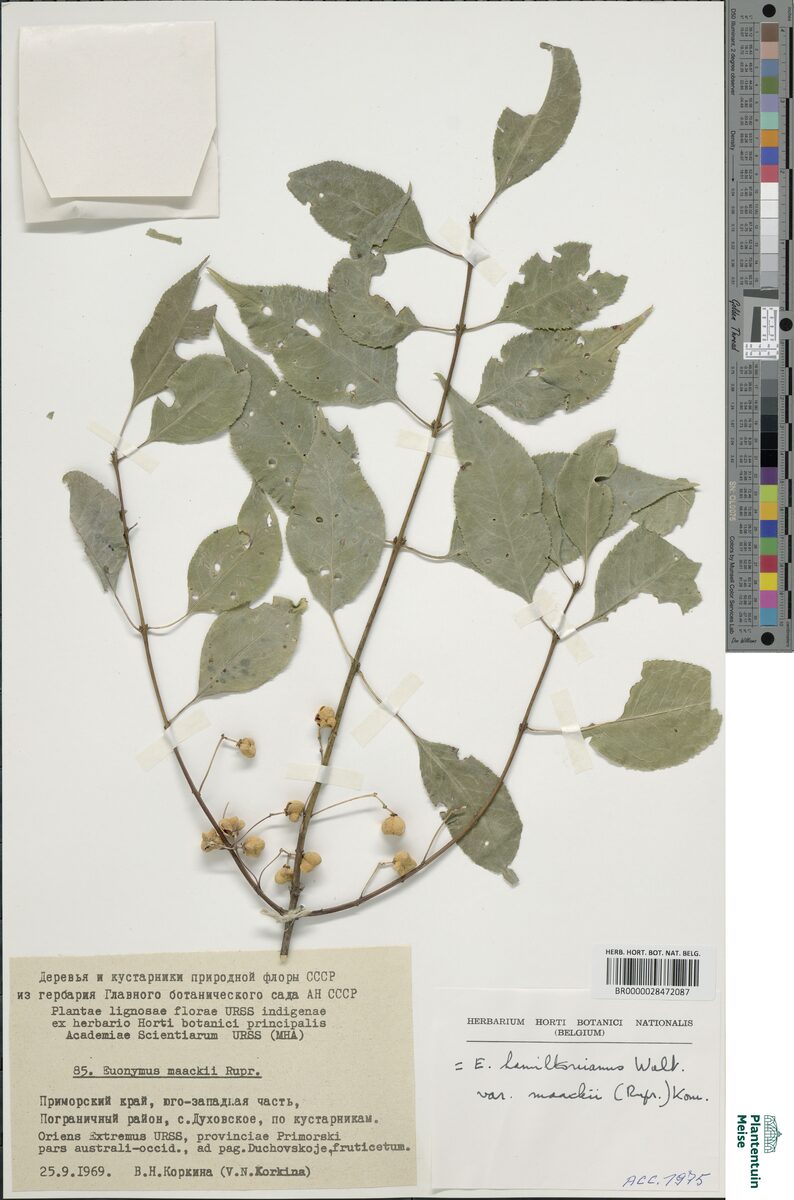
A woody creeper. The leave are somewhat leathery. They can be shiny. They vary between narrowly and broadly oval. They are 8-34 cm long by 17-20 cm wide. They are wedge shaped at the base. There can be rounded teeth towards the tip. The fruit are a flattened round shape and 6 cm long by 5 cm wide. They are orange or red. There are 3 or more seeds in each fruit. These are 2-3 cm long by 1-2 cm wide.
Edible Uses
Fruit - raw. The sweetish flesh surrounding the seeds is eaten.The fruit is a subglobose drupe resembling a small citrus, it is usually 5 - 6cm in diameter, occasionally to 8cm.
Traditional Uses
The flesh around the seeds is sweet and edible.
This uses section is brief — help expand it
Medicinal Uses
A decoction of the roots is used after childbirth. The pounded leaves are applied on the skin as a treatment against bellyache and eczema.
Distribution
It is a tropical plant. It grows in lowland rainforest near the coast. It can occasionally be in freshwater swamps and on limestone rocks. It can be up to 1,200 m altitude.
Where It Grows
Asia, Cambodia, China, India, Indochina, Indonesia, Malaysia, Myanmar, Papua New Guinea, PNG, SE Asia, Singapore, Thailand,
Other Uses
The twigs are used as twine.
Synonyms
Also Known As
Areuy ki gangarangan, Areuy mata poljang, Hempedal itek, Khop naang, Krado hot, Nasi sejuk
References (7)
- Ambasta, S.P. (Ed.), 2000, The Useful Plants of India. CSIR India. p 540
- Burkill, I. H., 1966,
- Ding Hou, 1964, Celastraceae 2, Flora Malesiana, Ser. 1. Vol 6 (3) p 412
- Milow, P., et al, 2013, Malaysian species of plants with edible fruits or seeds and their evaluation. International Journal of Fruit Science. 14:1, 1-2
- PROSEA No. 2
Show all 7 references Hide references
- Uphof,
- World Checklist of Useful Plant Species 2020. Royal Botanic Gardens, Kew