Begonia malabarica
Lam.
Malabar begonia
iNaturalist· cc-by-nc
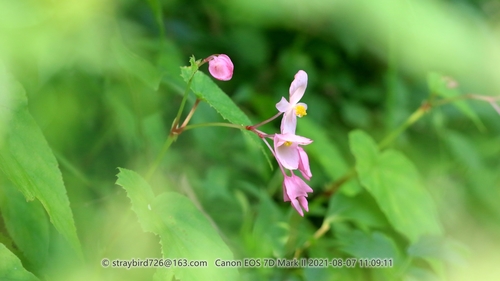
(c) Allan Self, some rights reserved (CC BY-NC), uploaded by Allan Self
iNaturalist· cc-by-nc
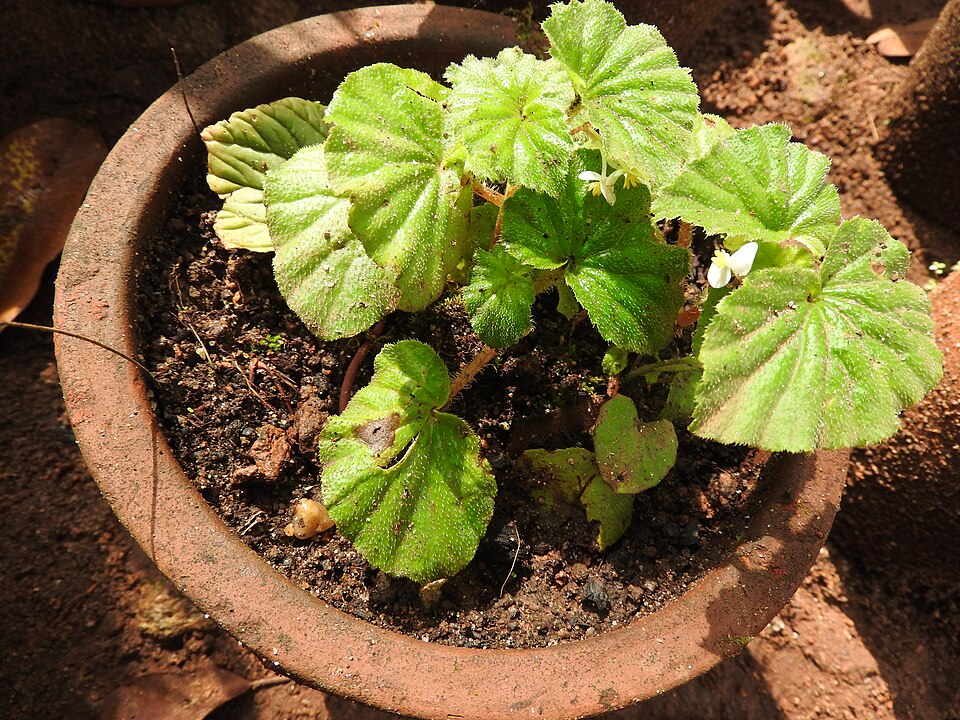
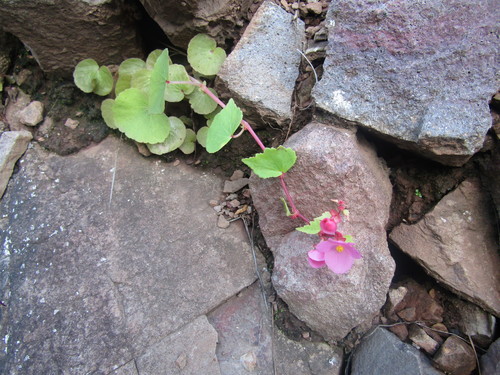
(c) Sahana M, some rights reserved (CC BY-NC), uploaded by Sahana M
iNaturalist· cc-by-sa
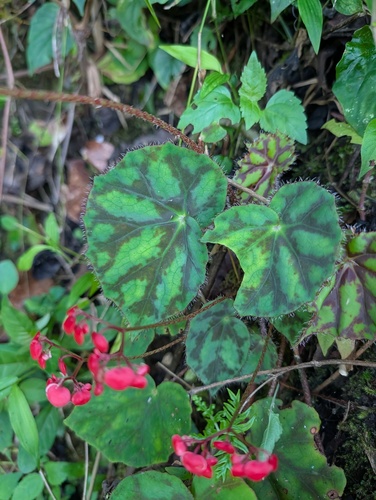
(c) Manoj Karingamadathil, some rights reserved (CC BY-SA), uploaded by Manoj Karingamadathil
Summary
Source: WikipediaBegonia malabarica, the Malabar begonia, is a species of flowering plant in the family Begoniaceae, native to India and Sri Lanka. It has antibacterial properties.
Description
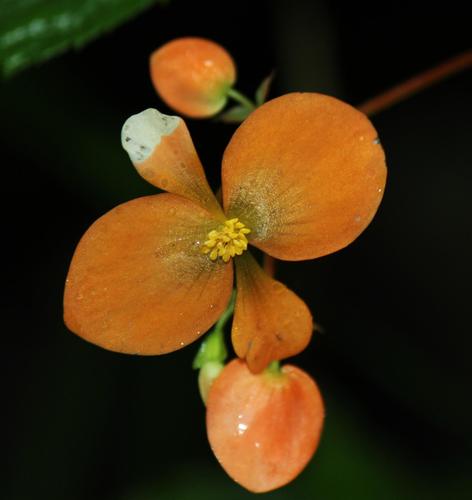
A herb. The stems are 50 cm long. The leaves are 5-10 cm long. The are heart shaped and pointed and unequal at the base. There are teeth along the edge. The leaf stalks are 3-12 cm long. The flowers are in the axils of the leaves. They are red.
Edible Uses
The leaves and plants are eaten as a pot-herb and used as a salt substitute in curries and other dishes, and may also serve as a substitute for tamarind.
Traditional Uses
It is eaten as a pot-herb. It is used as a salt substitute in curries and other dishes. They are a substitute for tamarind.
This uses section is brief — help expand it
Medicinal Uses
Used for treating diabetes.
Distribution
A tropical plant. It grows in wet tropical places up to 5,000 m above sea level.
Where It Grows
Asia, Australia, Britain, Europe, India, Indonesia, SE Asia, Sri Lanka, USA,
Cultivation
Plants can be grown from seeds or by leaf or stem cuttings.
Notes
There are 900-1,000-1,500 Begonia species. It is used for treating diabetes.
Synonyms
Also Known As
Begonia malabar, Janankolli, Kayyalappuli, Malampuli, Narayanachanjeeve, Narayana sanjivi, Parappuly, Raktasuri
References (9)
- Ambasta S.P. (Ed.), 2000, The Useful Plants of India. CSIR India. p 70
- Arinathan, V., et al, 2007, Wild edibles used by Palliyars of the western Ghats, Tamil Nadu. Indian Journal of Traditional Knowledge. 6(1) pp 163-168
- Binu, S., 2010, Wild edible plants by the tribals in Pathanamthitta district, Kerala. Indian Journal of Traditional Knowledge. 9(2): 309-312
- Encycl. 1:393. 1785
- Hedrick, U.P., 1919, (Ed.), Sturtevant's edible plants of the world. p 95
Show all 9 references Hide references
- Hibbert, M., 2002, The Aussie Plant Finder 2002, Florilegium. p 41
- Narayanan Ratheesh, M. K. et al, 2011, Wild edible plants used by the Kattunaikka, Paniya and Kuruma tribes of Wayanad District, Kerala, India. Journal of Medicinal Plants Research Vol. 5(15), pp. 3520-3529
- Sarvalingam, A., et al, 2014, Wild edible plant resources used by the Irulas of the Maruthamalai Hills, Southern Western Ghats, Coimbatore, Tamil Nadu. Indian Journal of Natural Products and Resources 5(2):198-201
- Sukarya, D. G., (Ed.) 2013, 3,500 Plant Species of the Botanic Gardens of Indonesia. LIPI p 1077