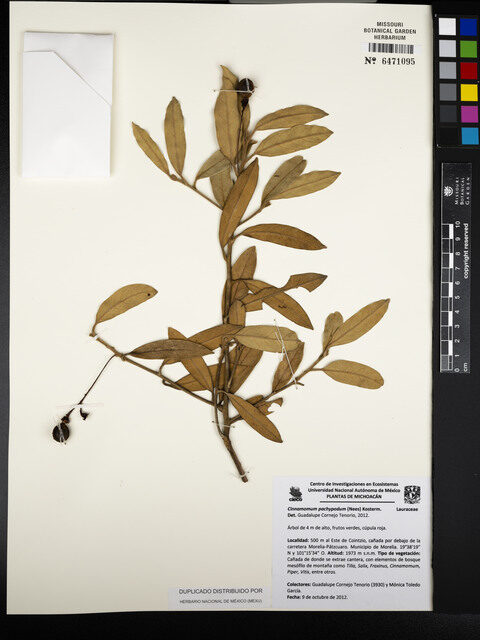
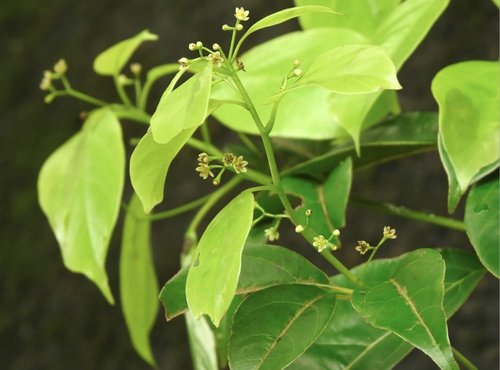
Beilschmiedia roxburghiana
Nees
Indian laurel tree
gbif· cc0
President and Fellows of Harvard College
Summary
Source: WikipediaBeilschmiedia roxburghiana is the type species of the tree genus Beilschmiedia in the family Lauraceae. Its native range is from the Himalayas to S. China, Indo-China to Peninsula Malaysia; in Vietnam it may be called chắp chại or bạch mi; no subspecies are listed in the Catalogue of Life.
Description
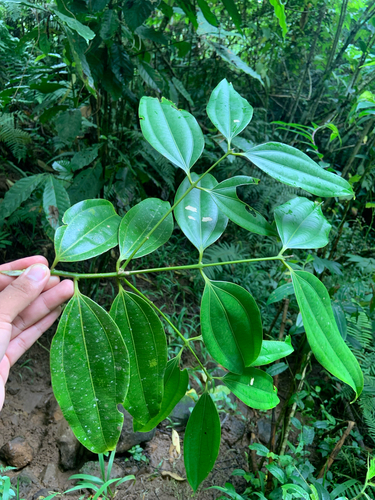
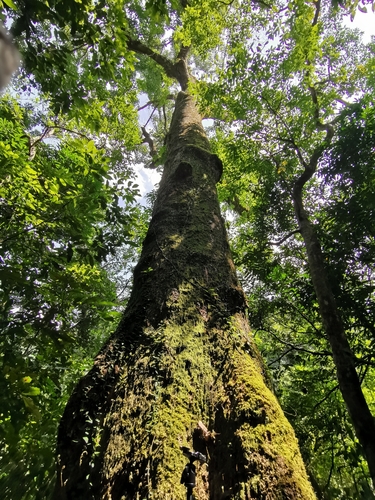
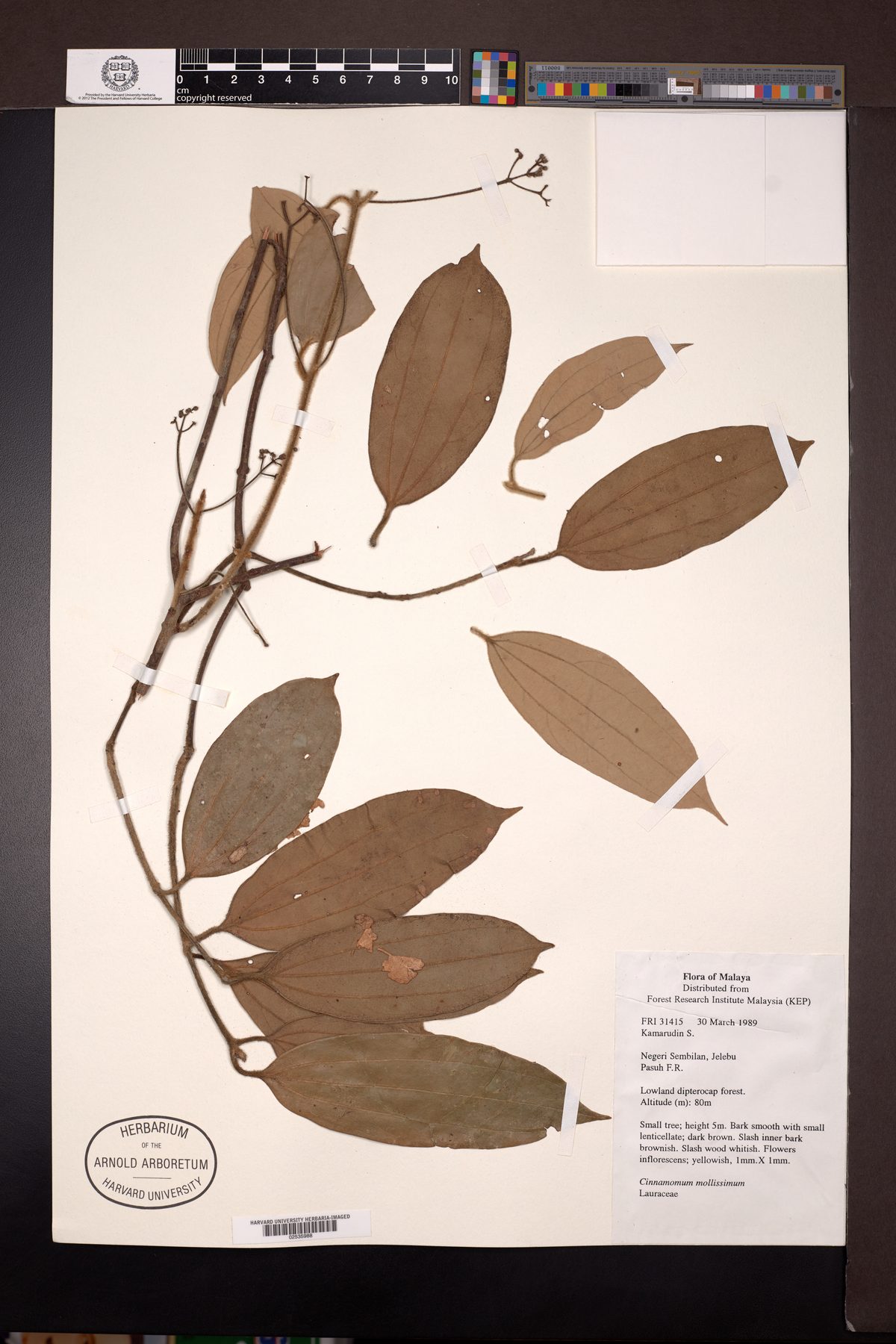
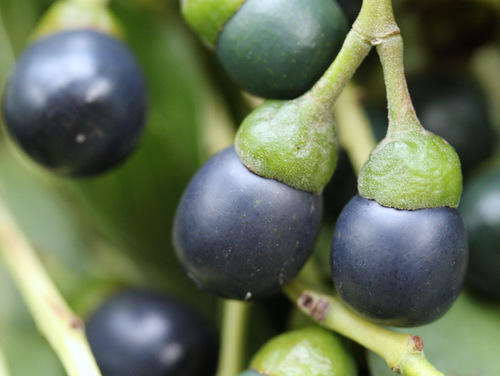
A large tree which loses its leaves. It grows 10-15 m tall. The small branches are flattened and angled. The leaves are opposite. They are narrowly oval and 9-14 cm long by 4-5 cm wide. The fruit are purple to black. They are oval and 4-5 cm long by 2-3 cm wide.
Edible Uses
The ripe fruits are eaten fresh.
Traditional Uses
The ripe fruit are eaten.
This uses section is brief — help expand it
Distribution
A tropical plant. It grows in evergreen broad-leaved forest on mountain slopes. In Tibet.
Where It Grows
Asia, Bhutan, China, Himalayas, India, Indochina, Indonesia, Myanmar, Nepal, Northeastern India, SE Asia, Sikkim, Thailand, Vietnam,
Cultivation
Plants can be grown by seeds.
Production
In China it flowers and fruits in August.
Notes
There are about 100-250 Beilschmeidia species. They are in the tropics.
Also Known As
Arnjang, Bachmi, Chapchai, Minyi, Myauk-okshit, Pohon medang india, Serai-gutti, Shawdu, Thitsat
References (6)
- Ambasta S.P. (Ed.), 2000, The Useful Plants of India. CSIR India. p 70
- Menninger, E.A., 1977, Edible Nuts of the World. Horticultural Books. Florida p 10
- Pham-Hoang Ho, 1999, An Illustrated Flora of Vietnam. Nha Xuat Ban Tre. p 385
- Sukarya, D. G., (Ed.) 2013, 3,500 Plant Species of the Botanic Gardens of Indonesia. LIPI p 155
- Sundriyal, M. & Sundriyal, R. C., 2004, Structure, Phenology, Fruit Yield, and Future Prospects of some Prominent Wild Edible Plant Species of the Sikkim Himalaya, India. Journal of Ethnobiology 24(1): 113-138
Show all 6 references Hide references
- www.efloras.org Flora of China Volume 7