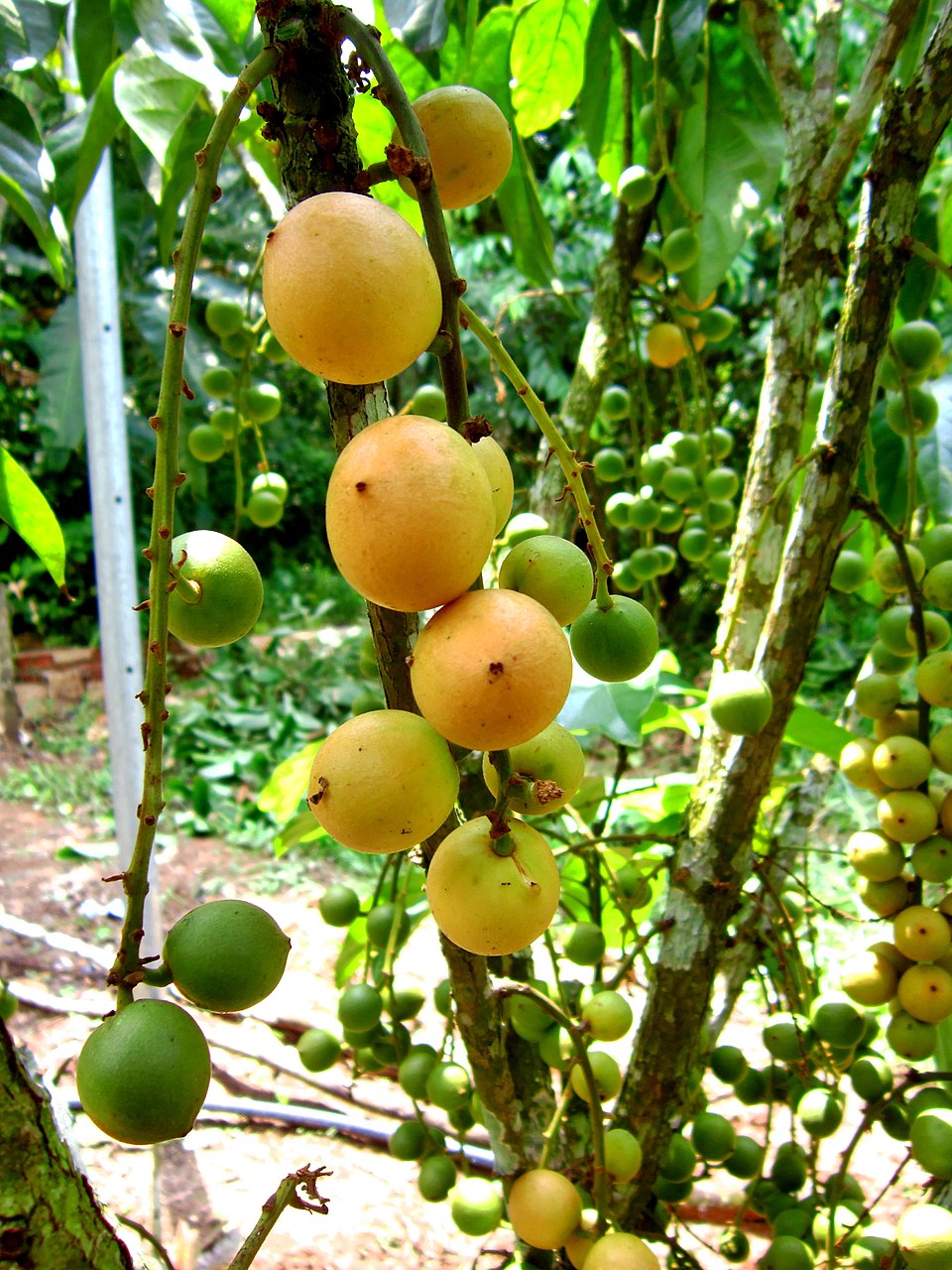
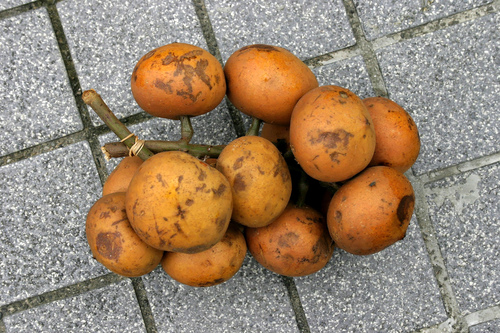
Antidesma tomentosum
Blume
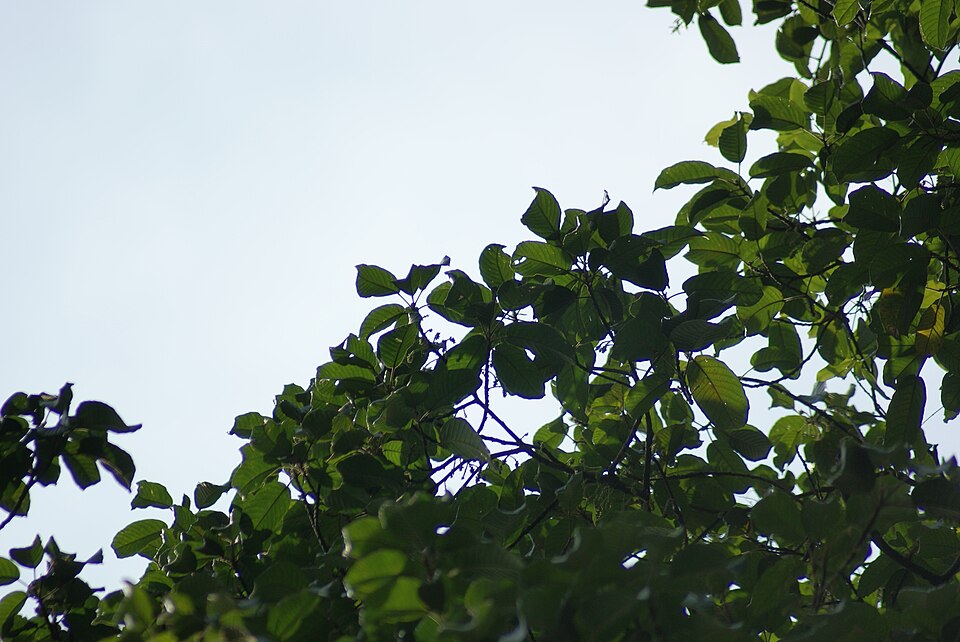
Buni kidang tree
gbif· cc0
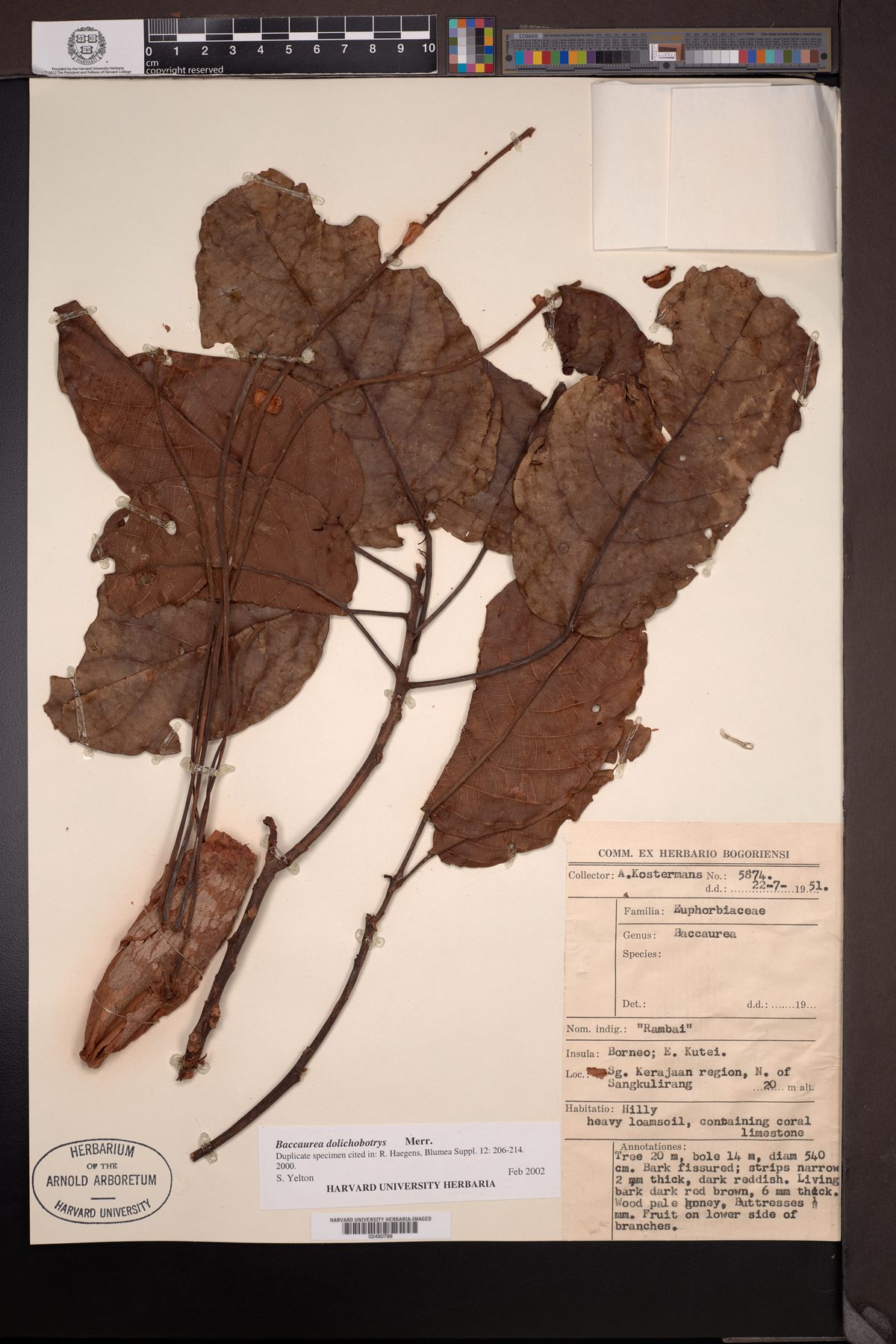
President and Fellows of Harvard College
gbif· cc0
President and Fellows of Harvard College
Summary
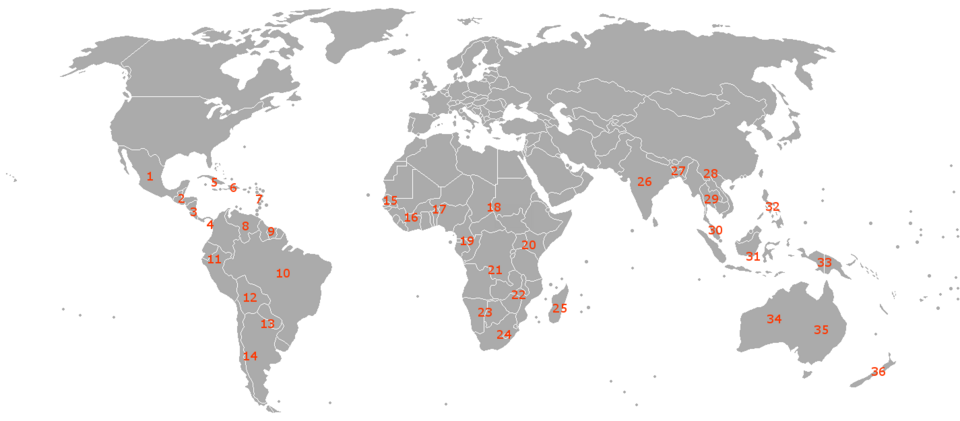
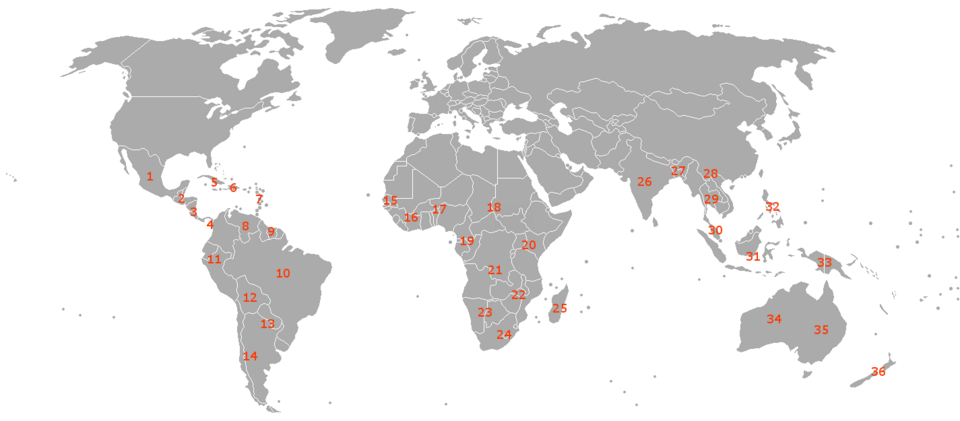
Source: WikipediaAntidesma tomentosum is a species of plant in the family Phyllanthaceae. It is native to Borneo, Java, Peninsular Malaysia, the Nicobar Islands, the Philippines, Sulawesi, Sumatra and Thailand.
Description
A small tree. It grows about 8 m high. The trunk is 18-25 cm across. The leaves are narrowly oval and papery. The base can be heart shaped. Male flowers are in the axils of leaves and occur singly. The fruit are oval.
Edible Uses
The ripe fruit are eaten.
Traditional Uses
The ripe fruit are eaten.
This uses section is brief — help expand it
Medicinal Uses
The roots are chewed and applied for internal pain.
Distribution
A tropical plant. It grows in mountainous regions. It grows in a range of forest types and up to 1,800 m above sea level in Thailand.
Where It Grows
Asia, Indochina, Indonesia, Malaysia, Philippines, SE Asia, Singapore, Thailand,
Cultivation
Plants can be grown by seed.
Other Uses
The bark is burned and the ash is rubbed on the teeth to colour them. The sapwood is white, yellow, orange, pink or red-brown. The wood is hard, heavy, odourless and tasteless. The hard wood is used for making ploughs.
Notes
There are about 100-170 Antidesma species.
Synonyms
Also Known As
Adadsay, Ata tamsi, Balinsaay, Kansali, Ki suhur, Ki suhur lalaki, Mata pelandok, Pohon buni kidang, Tampar kidang
References (7)
- Burkill, I.H., 1966, A Dictionary of the Economic Products of the Malay Peninsula. Ministry of Agriculture and Cooperatives, Kuala Lumpur, Malaysia. Vol 1 (A-H) p 188
- Heyne, K., 1927 ed, Nutt. Plant. Ned. Ind. p 916
- Milow, P., et al, 2013, Malaysian species of plants with edible fruits or seeds and their evaluation. International Journal of Fruit Science. 14:1, 1-27
- Saw, L.G., LaFrankie, J. V. Kochummen, K. M., Yap S. K., 1991, Fruit Trees in a Malaysian Rain Forest. Economic Botany, Vol. 45, No. 1, pp. 120-136
- Slik, F., www.asianplant.net
Show all 7 references Hide references
- Sukarya, D. G., (Ed.) 2013, 3,500 Plant Species of the Botanic Gardens of Indonesia. LIPI p 130
- World Checklist of Useful Plant Species 2020. Royal Botanic Gardens, Kew