Rheum moorcroftianum
Royle
Dolya, Dolu
iNaturalist· cc-by-nc
(c) siddhunaturalist, some rights reserved (CC BY-NC)
iNaturalist· cc-by-nc
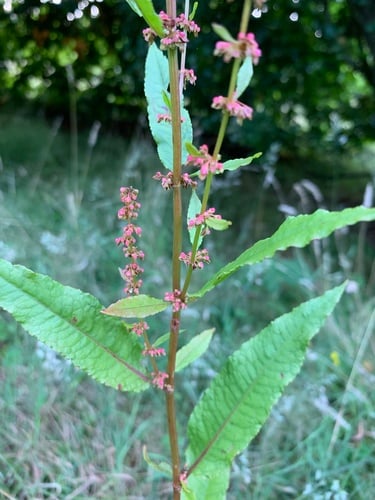
(c) Basu Dev Poudel, some rights reserved (CC BY-NC)
iNaturalist· cc-by-nc
(c) Basu Dev Poudel, some rights reserved (CC BY-NC)
Description
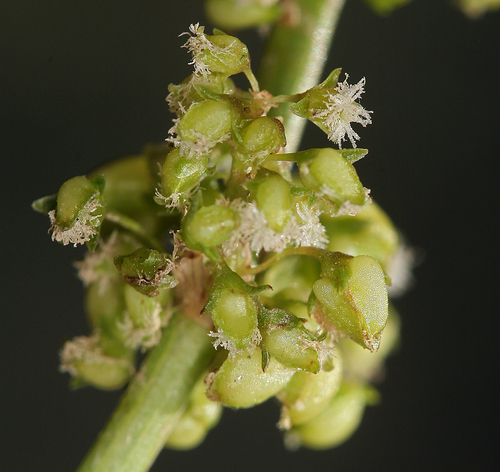
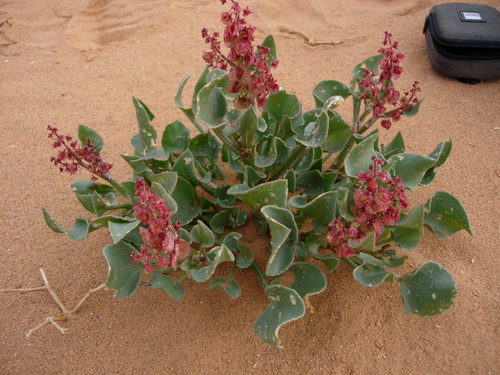
A herb which keeps growing from year to year. The leaves are at the base. The leaves are boat shaped. They are thick and leathery. They are hairy underneath. The flowering spikes are 55 cm tall. The flowers are green and turn pink-purple.
Edible Uses
The leaf stalks are eaten raw or after light roasting.
Traditional Uses
The leaf stalks are eaten raw or after light roasting. (They are claimed to prevent altitude sickness)
This uses section is brief — help expand it
Medicinal Uses
Traditionally claimed to prevent altitude sickness.
Distribution
It is a temperate plant. It grows between 3500-4500 m altitude in Uttar Pradesh in India. In China it grows between 4,500-5,300 m above sea level.
Where It Grows
Afghanistan, Asia, Central Asia, China, Himalayas, India, Nepal, Pakistan, Tajikistan, Tibet,
Also Known As
Boke, Chum tsa, Chuma-tsi, Khajo, Shorchen, Umjoe
References (7)
- Ambasta S.P. (Ed.), 2000, The Useful Plants of India. CSIR India. p 520
- Bhattarai, S and Chaudary, R. P., 2009, Wild Edible Plants Used by the People of Manang District, Central Nepal. Ecology of Food and Nutrition, 48:1-20
- Flora of China @ efloras.org Volume 5
- Flora of Pakistan. www.eFloras.org
- Ghimire, S. K., et al, 2008, Non-Timber Forest Products of Nepal Himalaya. WWF Nepal p 116
Show all 7 references Hide references
- Ill. bot. Himal. Mts. 1:315, 318. 1836
- Negi, K.S., 1988, Some little known wild edible plants of U.P. Hills. J. Econ. Tax. Bot. Vol. 12 No. 2 pp 345-360