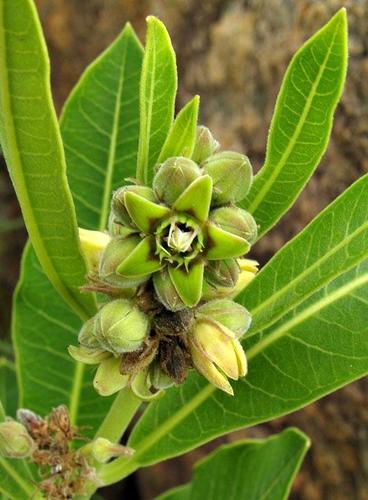
Tylophora dalzellii
Hook. f.
Dalzell ipecac
iNaturalist· cc-by-nc
(c) Radha Veach, some rights reserved (CC BY-NC)
iNaturalist· cc-by-nc
(c) Radha Veach, some rights reserved (CC BY-NC)
iNaturalist· cc-by-nc
(c) Radha Veach, some rights reserved (CC BY-NC)
Description
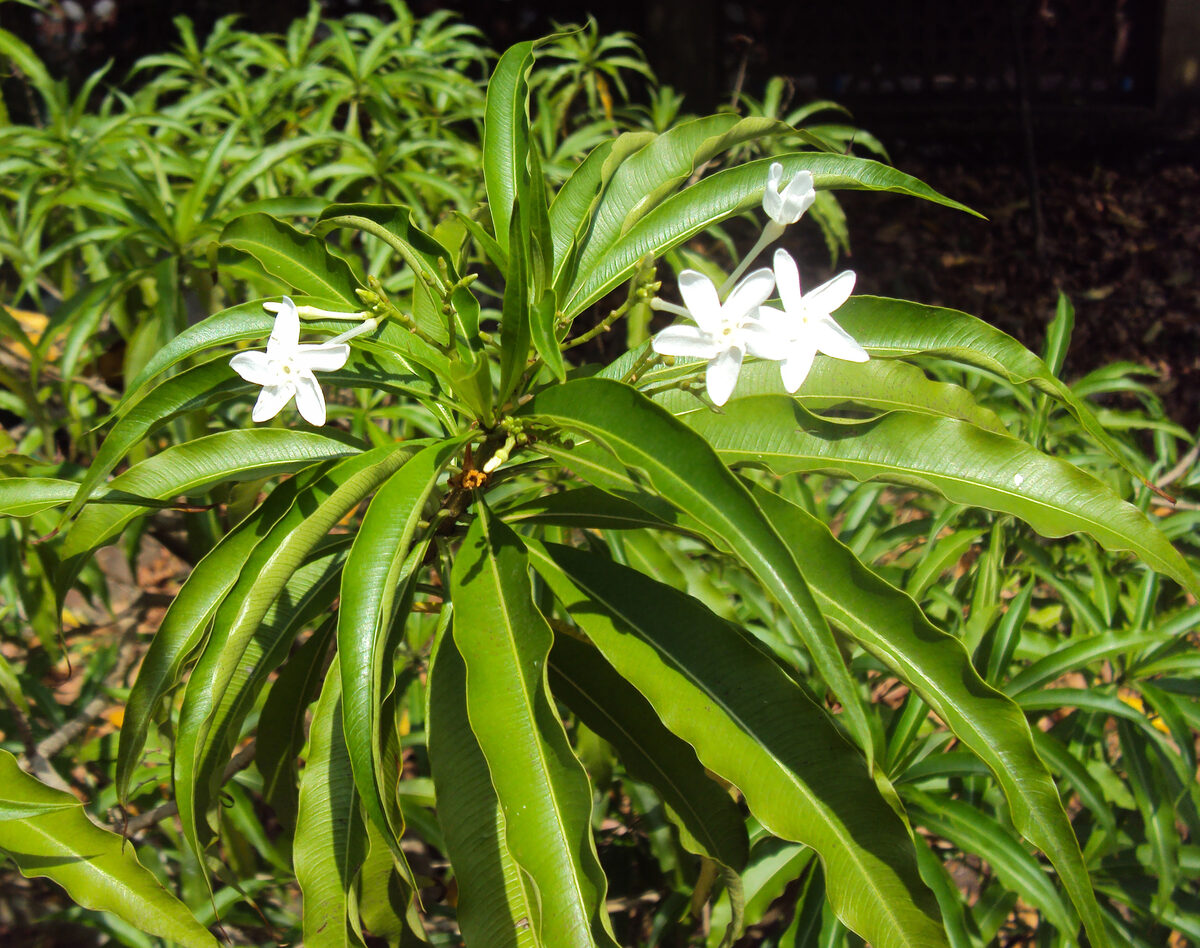
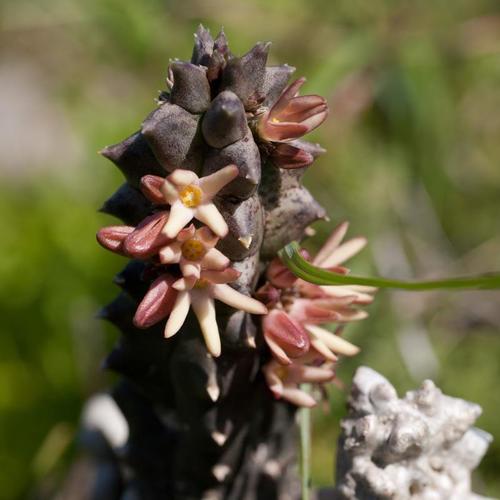
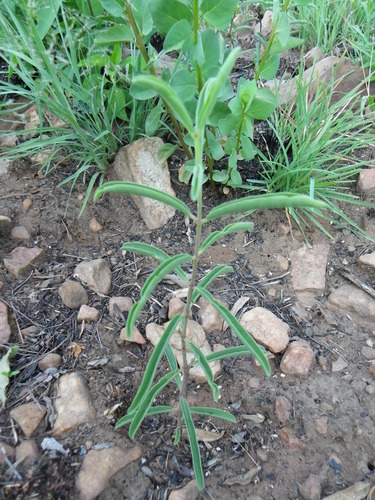
A twining plant. It keeps growing from year to year. The young stems are branched and hairy. They have a milky white sap. The leaves are simple and opposite. They are oval or oblong. They are 5-10 cm long by 3-6 cm wide. They can have a sharp tip. The flowers are small and reddish brown. They occur as many flowers together on branched stalks. The fruit are follicles 7-10 cm long and narrow. They have fine lines along them. The seeds are 8 mm long.
Edible Uses
The unripe fruits are eaten.
Traditional Uses
The unripe fruit are eaten.
This uses section is brief — help expand it
Distribution
A tropical plant. It grows in scrub forest and at the edges of forests and in deciduous forests.
Where It Grows
Asia, India,
Production
In India it flowers and fruits March to April.
Notes
There are over 75 Tylophora species.
Synonyms
Also Known As
Lahan pitambari, Nivali
References (1)
- Sharma, B.D., & Lakshminarasimhan, P., 1986, Ethnobotanical Studies on the Tribals of Nasik District (Maharashtra). J. Econ. Tax. Bot. Vol. 8 No. 2 pp 439-446