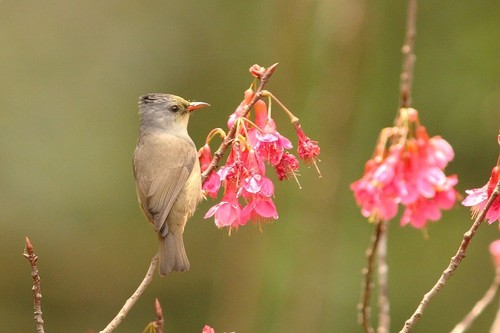
Crataegus scabrifolia
(Franch.) Rehder
Sanlinguo
iNaturalist· cc-by-nc
(c) 通通, some rights reserved (CC BY-NC), uploaded by 通通
wikimedia· cc0
Wikimedia Commons - Nadiatalent
Summary
Source: WikipediaCrataegus scabrifolia is a hawthorn from China that grows at altitudes between 1500 and 3000 m in areas with high rainfall. It is usually a large shrub or small tree, and usually without thorns. The edible fruit are large for a hawthorn, up to 2.5 cm in diameter, red or yellow, and are sold in local markets. The tree is apparently not cultivated outside China.
Description
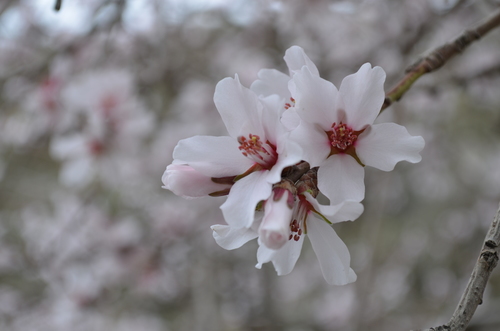
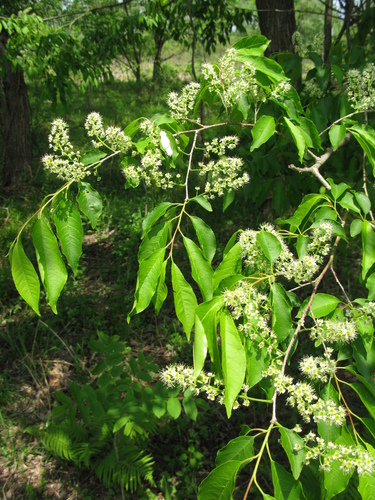
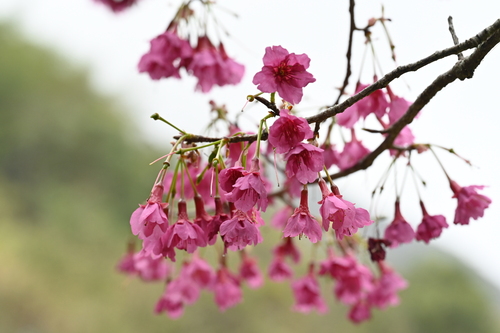
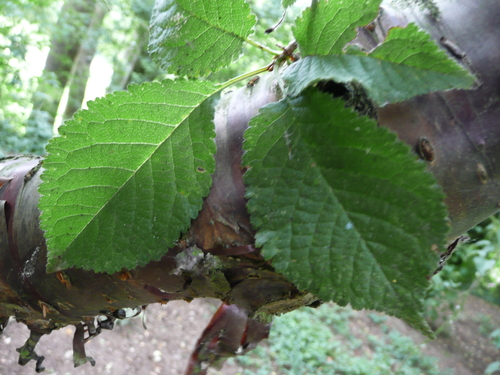
A small tree. It grows 10 m tall. It loses its leaves during the year. It usually does not have thorns. The leaves are narrowly oval and 4 cm long by 3-5 cm wide. There are many flowers in a group. The flowers are white. The fruit are yellow to red and 1.5-2.5 cm across.
Edible Uses
The fruit are eaten raw.
Traditional Uses
The fruit are eaten raw.
This uses section is brief — help expand it
Distribution
It grows between 1300-1800 m above sea level in Yunnan in China. It grows in subtropical broadleaved evergreen forest. In Sichuan.
Where It Grows
Asia, Australia, China,
Production
In southern China plants flower in April to June and fruit August to October.
Notes
There are 200 or more Crataegus species.
Nutrition
| Part | Moisture | kJ | kcal | Protein | Vit A | Vit C | Iron | Zinc |
|---|---|---|---|---|---|---|---|---|
| Fruit | 78 | — | — | — | — | 9.5 | — | — |
Also Known As
Shanzha, Shi bu
References (7)
- Flora of China. www.eFloras.org Volume 9
- Jin, Chen et al, 1999, Ethnobotanical studies on Wild Edible Fruits in Southern Yunnan: Folk Names: Nutritional Value and Uses. Economic Botany 53(1) pp 2-14
- J. Arnold Arbor. 12:71. 1931
- Reis, S. V. and Lipp, F. L., 1982, New Plant Sources for Drugs and Foods from the New York Botanical Garden herbarium. Harvard. p 98
- Wang, J. et al, 2013, A Study on the Utilization of Wild Plants for Food in Liangshan Yi Autonomous Prefecture. Plant Diversity and Resources. 35(4): 416-471
Show all 7 references Hide references
- Wang, J., et al, 2020, An ethnobotanical survey of wild edible plants used by the Yi people of Liangshan Prefecture, Sichuan Province, China. Journal of Ethnobiology and Ethnomedicine 16:10 p 9
- Zhang, L., et al, 2016, Ethnobotanical study of traditional edible plants used by the Naxi people during droughts. Journal of Ethnobiology and Ethnomedicine. 12:39