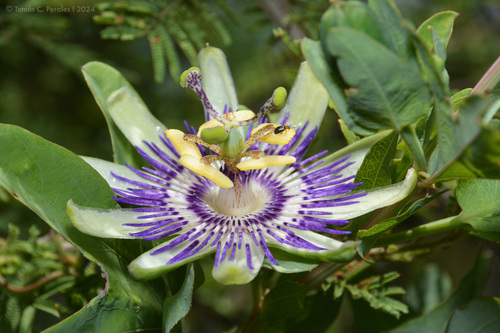
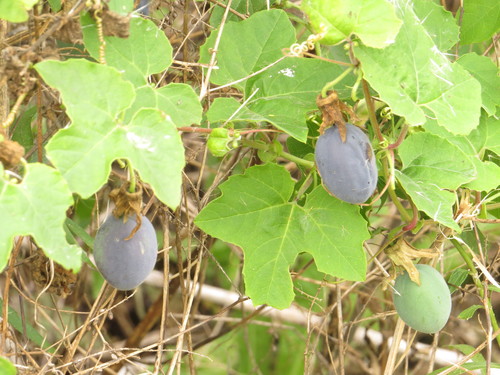
Passiflora siamica
Craib
iNaturalist· cc-by-nc
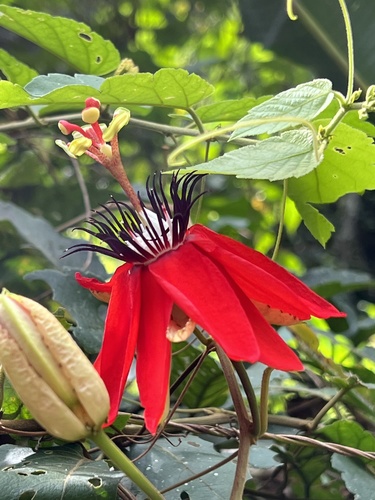
(c) guanhong, some rights reserved (CC BY-NC), uploaded by guanhong
iNaturalist· cc-by-nc
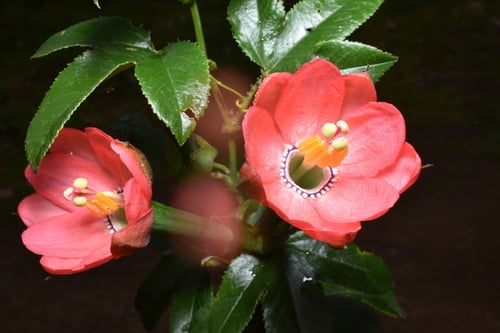
(c) 丁洪波, some rights reserved (CC BY-NC), uploaded by 丁洪波
iNaturalist· cc-by-nc
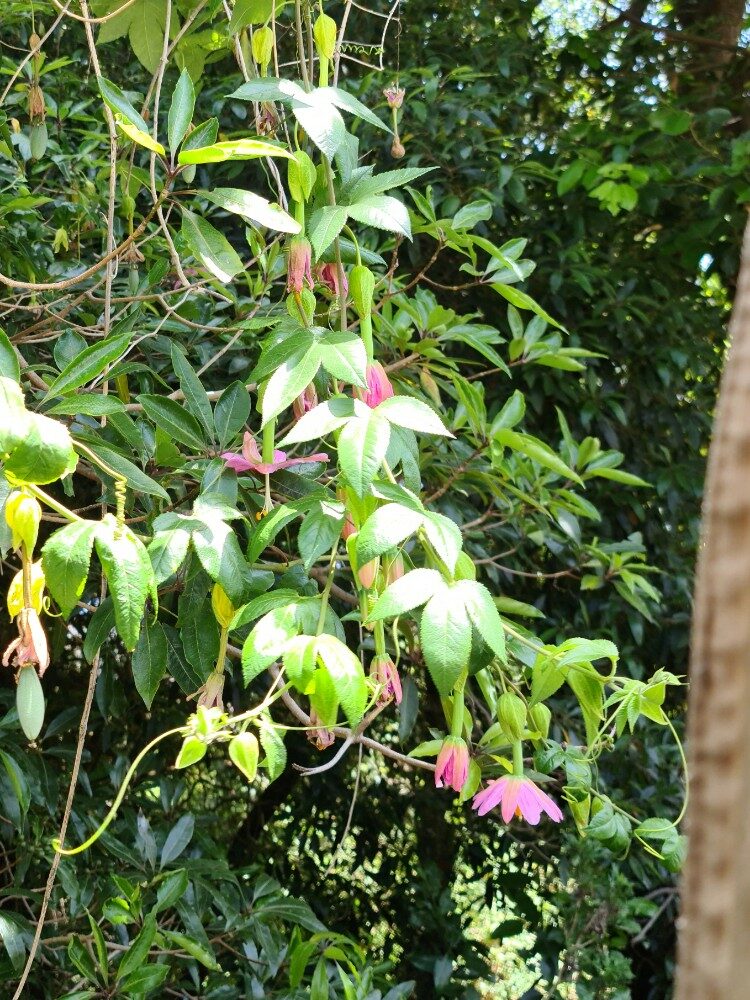
(c) guanhong, some rights reserved (CC BY-NC), uploaded by guanhong
Description
A creeping vine. It grows 6-8 m long. The stems are angular. Young stems are hairy. The leaves are oval and 6-18 cm long by 3-7 cm wide. They are leathery. The flowers are white. The fruit is almost round and 2 cm across.
Edible Uses
Passiflora incarnata (maypop) leaves and roots have a long history of use as a traditional medicine by Native Americans in North America and were adapted by European colonists. The fresh or dried leaves of maypop are used to make a tea that is used as a sedative. Passionflower as dried powder or an extract is used as a dietary supplement. There is insufficient clinical evidence for using passionflower to treat any medical condition. Passionflower is classified as generally recognized as safe for use as a food ingredient in the U.S.
Traditional Uses
The fruit are eaten raw.
This uses section is brief — help expand it
Known Hazards
Passion flower is not recommended during pregnancy because it may induce contractions. Consuming passion flower products may cause drowsiness, nausea, dizziness, abnormal heart rhythms, asthma, or rhinitis.
Distribution
It grows at 1200 m altitude in Yunnan in China. It grows in secondary forest.
Where It Grows
Asia, China, India, Indochina, Laos, Myanmar, SE Asia, Thailand, Vietnam,
Nutrition
| Part | Moisture | kJ | kcal | Protein | Vit A | Vit C | Iron | Zinc |
|---|---|---|---|---|---|---|---|---|
| Fruit | 83.8 | — | — | — | — | 8.6 | — | — |
Also Known As
Hmab txiv juab lab qus, Nhanlong thailan, Tho-bon
References (2)
- Jin, Chen et al, 1999, Ethnobotanical studies on Wild Edible Fruits in Southern Yunnan: Folk Names: Nutritional Value and Uses. Economic Botany 53(1) pp 2-14
- Whitney, C. W., et al, 2014, Conservation and Ethnobotanical Knowledge of a Hmong Community in Long Lan, Luang Prabang, Lao People’s Democratic Republic. Ethnobotany Research and Applications 12:643-658