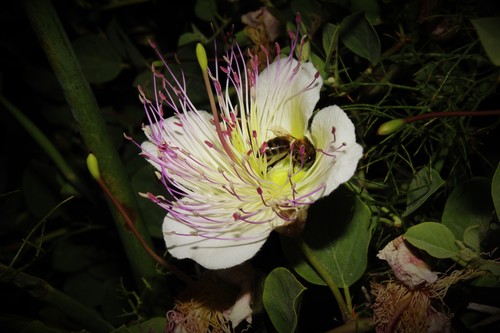
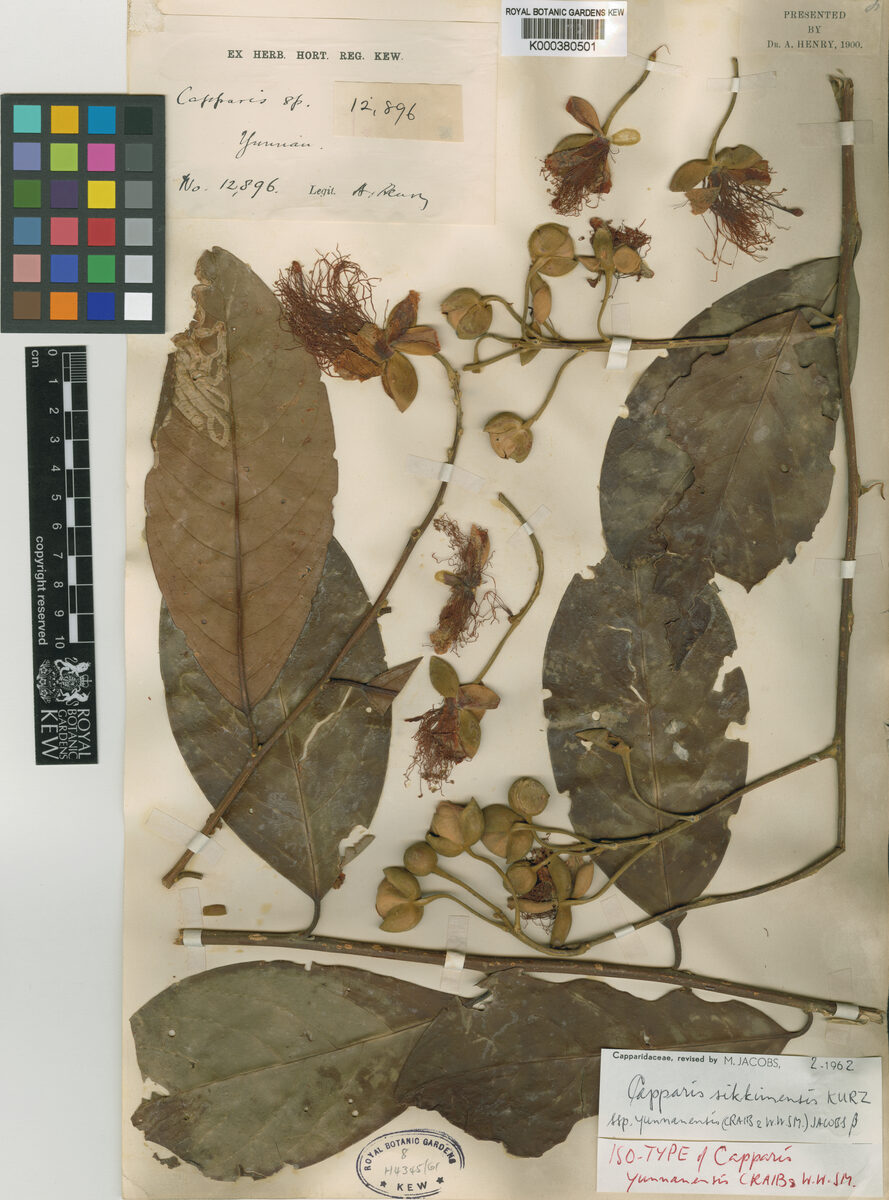
Capparis sikkimensis subsp. masaikai
(H. Lev.) Jacobs
Pamuxiu
gbif· cc-by-nc-nd
B. Liu
Description
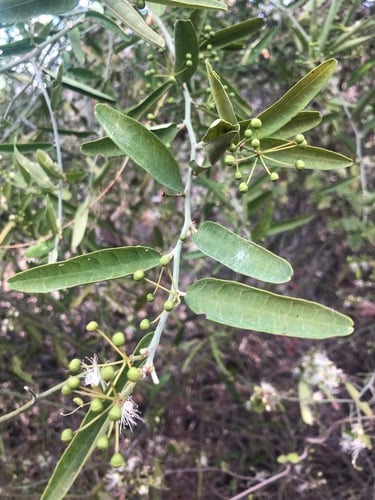
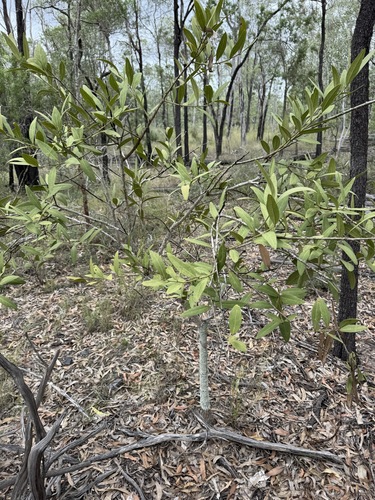
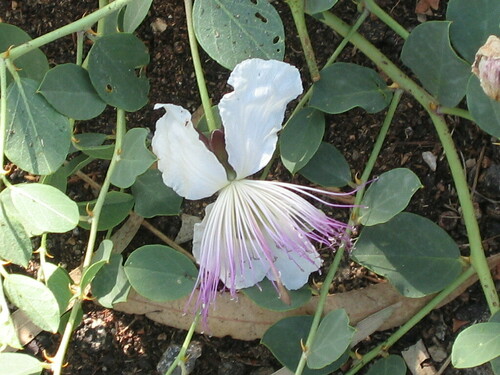
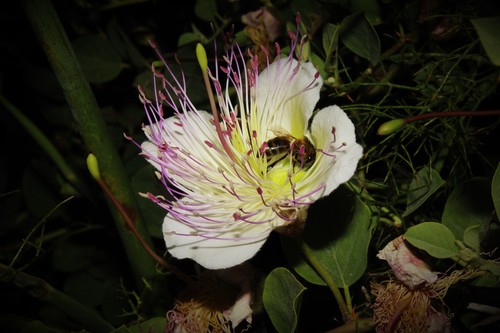
A shrub or climber. It grows 7.5 m tall. The leaves are narrowly oval and 7-20 cm long by 4-9 cm wide. The fruit are reddish purple when mature. They are round and 4-6 cm long by 4-5 cm wide. They have ribs. There are about 10 seeds per fruit. The seeds are 1.8 cm long by 1.5 cm wide and 1 cm thick.
Edible Uses
The ripe fruit are eaten fresh. The seeds are eaten raw and serve as a natural sweetener.
Traditional Uses
The fruit are eaten. The seeds are eaten raw. They are a natural sweetener.
This uses section is brief — help expand it
Distribution
It is a subtropical plant. In southern China it grows in limestone areas below 1,600 m above sea level. In Yunnan.
Where It Grows
Asia, China,
Production
In southern China plants flower in May and June and fruit in November and December.
Notes
There are about 250 Capparis species. There are about 50 Capparis species in tropical America.
Synonyms
References (3)
- Jin, Chen et al, 1999, Ethnobotanical studies on Wild Edible Fruits in Southern Yunnan: Folk Names: Nutritional Value and Uses. Economic Botany 53(1) pp 2-14 (As Capparis masaikai)
- Luo, B., et al, 2019, Wild edible plants collected by Hani from terraced rice paddy agroecosystem in Honghe Prefecture, Yunnan, China. Journal of Ethnobiology and Ethnomedicine 15:56 (As Capparis masaikai)
- www.efloras.org Flora of China Volume 7 (As Capparis masaikai)