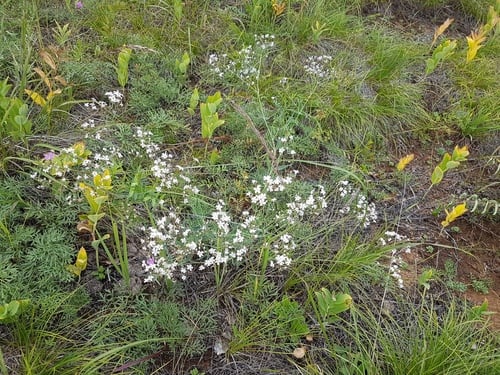
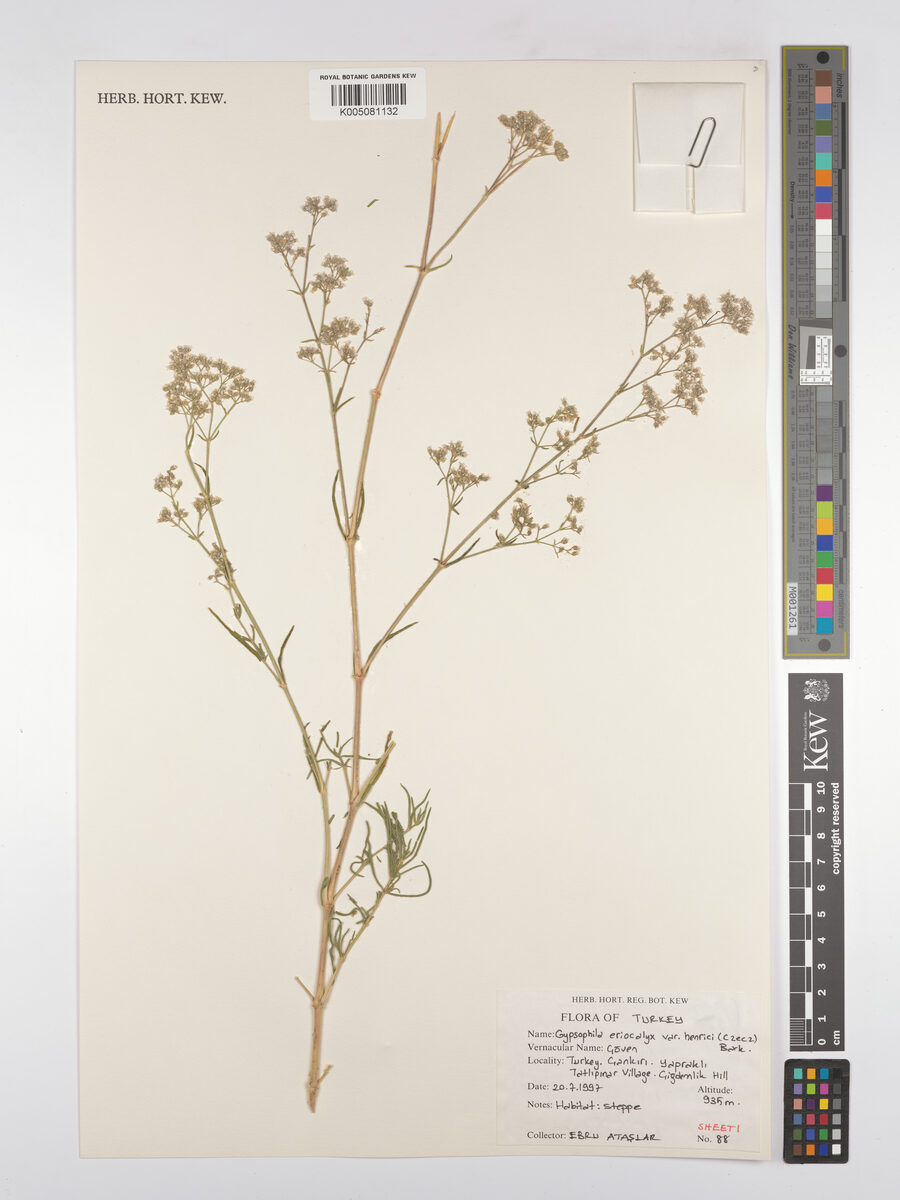
Silene dioica
(L.) Clairv.
Red campion
iNaturalist· cc-by
(c) Kieran Roy Powell, some rights reserved (CC BY), uploaded by Kieran Roy Powell
iNaturalist· cc-by-nc
(c) Jakob Fahr, some rights reserved (CC BY-NC), uploaded by Jakob Fahr
iNaturalist· cc-by-nc
(c) dieselrags, some rights reserved (CC BY-NC)
Summary
Source: WikipediaSilene dioica (syn. Melandrium rubrum), known as red campion and red catchfly, is a herbaceous flowering plant in the family Caryophyllaceae, native to Europe and introduced to the Americas.
Description
A small herb. It grows 60 cm high and spreads 30 cm wide. It keeps growing from year to year. The leaves are downy and in rings. The flower stems are tall and stiff and branching. The flowers are pink or white.
Edible Uses
None known
Traditional Uses
The young leaves are boiled for several minutes then drained and sauteed with butter and garlic.
This uses section is brief — help expand it
Medicinal Uses
None known
Distribution
It is a temperate plant. It grows in woods and on rocky hills and cliffs in Europe. In Argentina it grows below 500 m above sea level. It suits hardiness zones 6-10.
Where It Grows
Argentina, Australia, Europe, Italy, Mediterranean, Norway, Scandinavia, Slovenia, South America, Switzerland,
Propagation
Sow seed in early spring in a cold frame. When large enough to handle, prick seedlings out into individual pots and plant out in summer. With sufficient seed, sow outdoors in situ during spring. Divide in spring — larger divisions can go directly into permanent positions, while smaller divisions do best potted up and grown on in a lightly shaded cold frame until well established, then planted out in summer.
Other Uses
The root is used as a soap substitute for washing clothes. The soap is obtained by simmering the root in hot water.
Also Known As
Rdeča lepnica, Rod-jonsokblom
References (8)
- Cundall, P., (ed.), 2004, Gardening Australia: flora: the gardener's bible. ABC Books. p 1340
- Facciola, S., 1998, Cornucopia 2: a Source Book of Edible Plants. Kampong Publications, p 74
- Girard, N. J., 2020, Sustainable Foraging of Wild Edible Plants in Norway. A Biocultural Approach. M. Sc. thesis Norwegian University. p 130
- Heywood, V.H., Brummitt, R.K., Culham, A., and Seberg, O. 2007, Flowering Plant Families of the World. Royal Botanical Gardens, Kew. p 89
- Hibbert, M., 2002, The Aussie Plant Finder 2002, Florilegium. p 291
Show all 8 references Hide references
- http://www.botanic-gardens-ljubljana.com/en/plants
- Man. herbor. Suisse 146. 1811
- Paoletti, M.G., Dreon, A.L., and Lorenzoni, G.G., 1995, Pistic, Traditional Food from Western Friuli, NE Italy. Economic Botany 49(1) pp 26-30