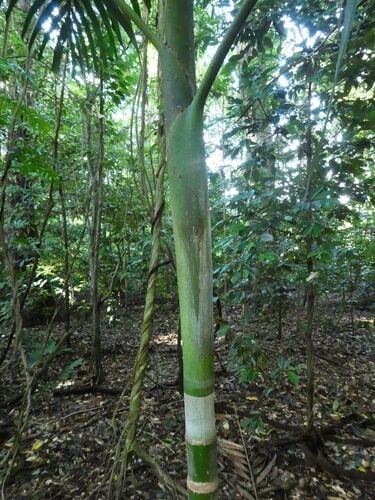
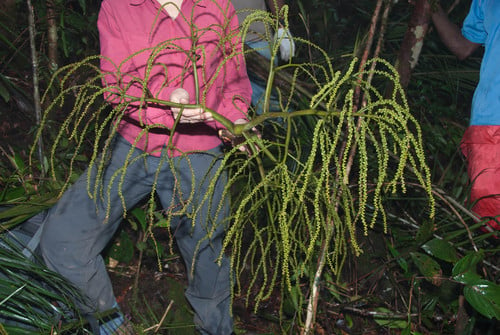
Astrocaryum urostachys
Burret
Awant'
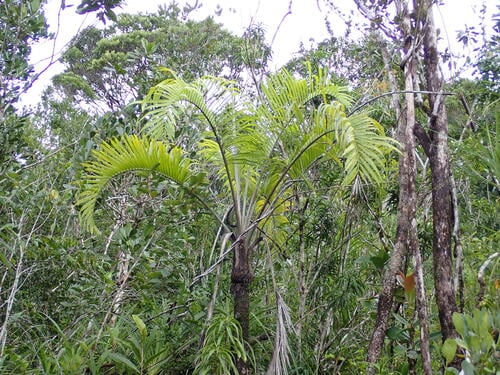
iNaturalist· cc-by-nc
(c) Russell Cumming, some rights reserved (CC BY-NC), uploaded by Russell Cumming
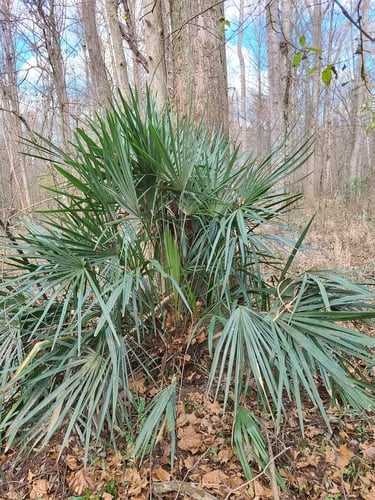
iNaturalist· cc-by-nc
(c) Russell Cumming, some rights reserved (CC BY-NC), uploaded by Russell Cumming
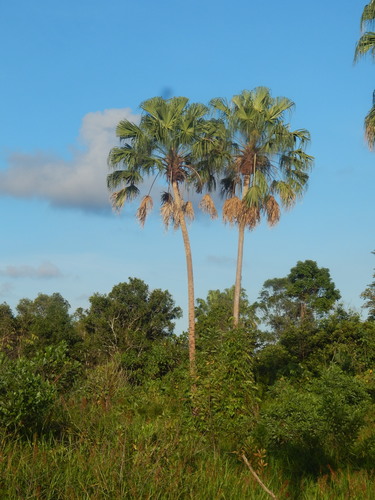
iNaturalist· cc-by-nc
(c) Russell Cumming, some rights reserved (CC BY-NC), uploaded by Russell Cumming
Summary
Source: WikipediaAstrocaryum urostachys is a species of flowering plant in the family Arecaceae. It is found only in Ecuador. Its natural habitat is subtropical or tropical moist lowland forests.
Description
A tropical palm in the Arecaceae family that grows up to 1,000 m elevation and is cultivated.
This description is brief — help expand it
Edible Uses
The palm heart (the inner core and growing bud of the plant) is harvested. It provides a crispy food, rich in nutrients, that can be eaten raw or cooked. Harvesting the heart will lead to the death of the stem it was harvested from, though in multi-stemmed plants such as this the rest of the plant will continue to grow and often produce new stems. Fruit. The fleshy mesocarp is more or less sweet and edible[1869. The brown, turbinate fruit is 70 - 80mm long and 30mm wide, enclosing a single, large seed. The liquid endosperm (developing seed) of the unripe fruits is drunk. We have no specific information for this species, but the fruits and seeds of various species in this genus are reported to be used for oil production in the Amazon region. Existing analyses of fruit fat content show a relatively homogeneous composition among the different species, with around. 20% of fat content in the mesocarp, mostly composed of oleic and palm itic acids, and 20 - 35% of fat content in the endosperm, with a predominance of lauric acid.
Traditional Uses
The seeds are eaten raw.
This uses section is brief — help expand it
Distribution
A tropical plant. It grows up to 1,000 m above sea level.
Where It Grows
Amazon, Colombia, Ecuador, Peru, South America,
Other Uses
The hard endocarp of various Amazonian species is commonly used to make beads and ornaments for necklaces
Other Information
It is cultivated.
Notes
There are about 40-50 Astrocaryum species.
Synonyms
Also Known As
Awan, Chuchana, Ettso, Huicongo, Icaba, Ramos, Ramus, Sira, Tailspickled astrocaryum, Usagua, Ushawa
References (10)
- Eynden, Van den, V., & Cueva E., Cabrera, O., 2004, Edible Palms of Southern Ecuador. Palms. Vol 48(3):141-147
- Grandtner, M. M. & Chevrette, J., 2013, Dictionary of Trees, Volume 2: South America: Nomenclature, Taxonomy and Ecology. Academic Press p 50
- Henderson, A., Galeano, G and Bernal, R., 1995, Field Guide to the Palms of the Americas. Princeton. p 207
- Kermath, B. M., et al, 2014, Food Plants in the Americas: A survey of the domesticated, cultivated and wild plants used for Human food in North, Central and South America and the Caribbean. On line draft. p 102
- Marcia, M. J., et al, 2011, Palm Uses in Northwestern South America: A Quantitative Review. Bot. Rev. (2011) 77:462-570
Show all 10 references Hide references
- Roa, J. A. G. & Boada, D. S. G., 2018, Fundación para el Fortalecimiento de la Fruticultura y Plantas Alimenticias no Convencionales en Colombia. (Also as Astrocaryum cuatrecasasianum)
- Torre, de la L., et al, 2008, Enciclopedia de las Plantas Útiles del Ecuador. Herbario QCA. Pontificia Universidad Católica del Ecuador. p 194
- Van den Eynden, V., et al, 2003, Wild Foods from South Ecuador. Economic Botany 57(4): 576-603 (As Astrocaryum urostachys)
- Van den Eynden, V. et al, 2004, Edible Palms of Southern Ecuador. Palms Volume 48(3):142-148
- World Checklist of Useful Plant Species 2020. Royal Botanic Gardens, Kew