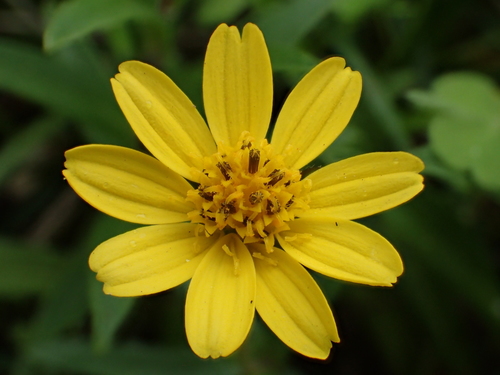
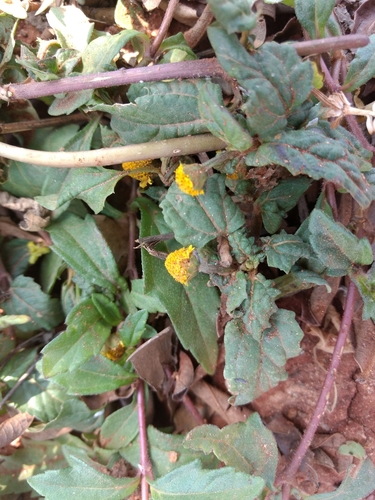
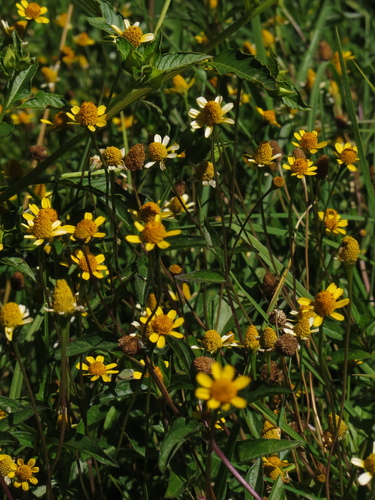
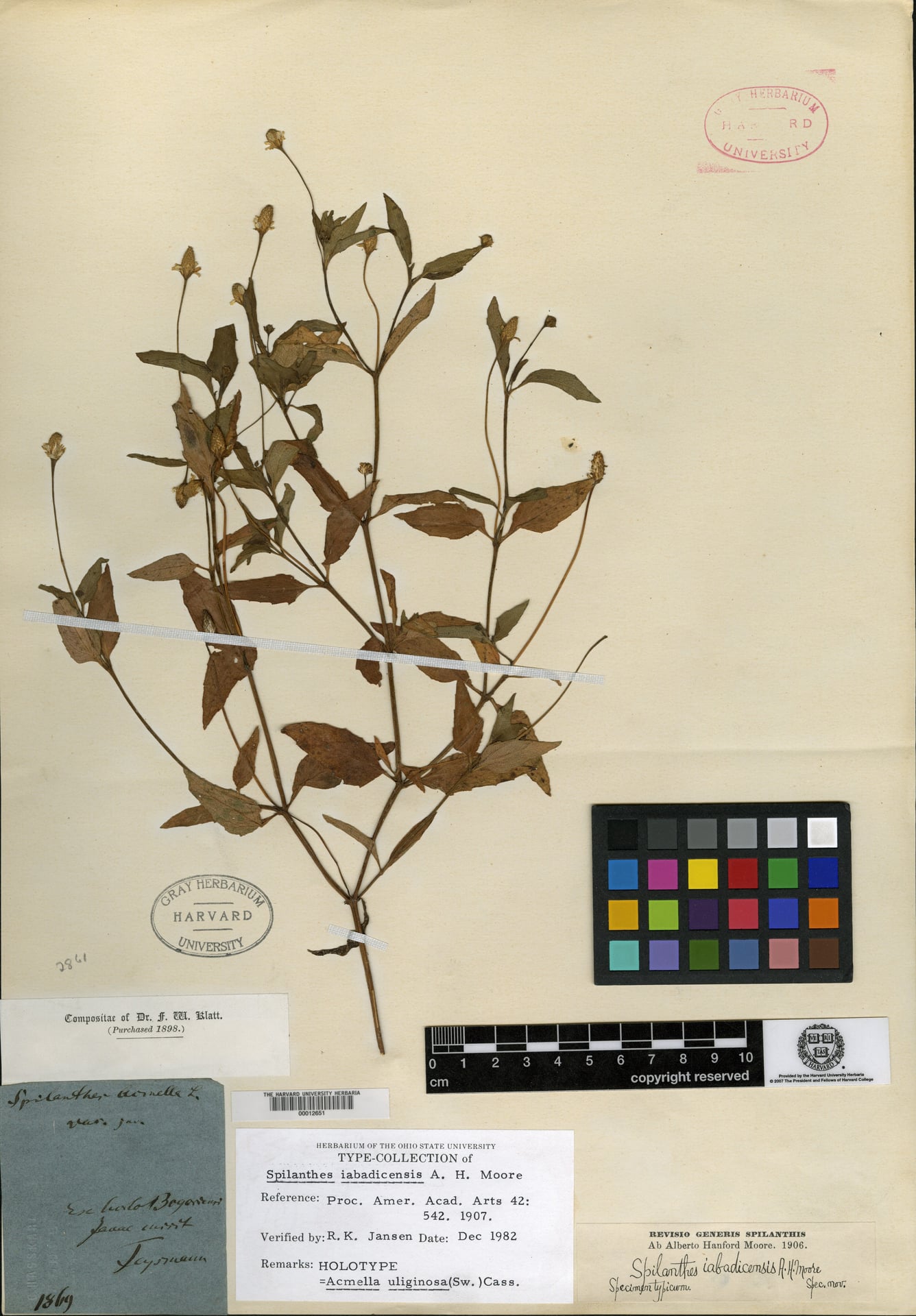
Balsamorhiza deltoidea
Nutt.
Deltoid balsamroot, Puget balsam-root
iNaturalist· cc-by
(c) Peter Stevens, some rights reserved (CC BY)
iNaturalist· cc-by-nc-sa
(c) 2008 Keir Morse, some rights reserved (CC BY-NC-SA)
iNaturalist· cc-by-sa
(c) Walter Siegmund, some rights reserved (CC BY-SA)
Summary
Source: WikipediaBalsamorhiza deltoidea is a species of flowering plant in the sunflower tribe of the plant family Asteraceae known by the common name deltoid balsamroot. It is native to western North America from British Columbia to California, where it grows in many types of generally mountainous habitats.
Description
A low herb. It keeps growing from year to year. It has a white covering. There are several leaves at the base that have long leaf stalks. These can be 15 cm long. There are coarse rounded teeth along the edge of the leaf.
Edible Uses
Edible Parts: Leaves Root Seed Shoots Edible Uses: Coffee Root - raw or cooked. A sweet taste when cooked. Young shoots - raw. Seed - raw or cooked. It can be ground into a powder and made into a bread. The ground seeds can be formed into cakes and eaten raw. The roasted root is a coffee substitute.
Traditional Uses
The young tender roots are eaten like carrots. They are also candied. The young leaves are used as a potherb. The flower stalks are cooked and eaten like a vegetable. The rich oily seeds are eaten like sunflower seeds
Medicinal Uses
Miscellany A decoction of the split roots has been used in the treatment of coughs and colds.
Distribution
It is a temperate plant.
Where It Grows
Canada, North America, USA,
Cultivation
Requires a deep fertile well-drained loam in full sun. Plants strongly resent winter wet. Hardy to at least -25°c. Plants are intolerant of root disturbance and should be planted into their permanent positions whilst still small.
Propagation
Seed - sow early spring in a greenhouse and only just cover the seed. Germination usually takes place within 2 - 6 days at 18°c. Either sow the seed in individual pots or pot up the seedlings as soon as they are large enough to handle and plant them out into their permanent positions in the summer. Division in spring. Very difficult since the plant strongly resents root disturbance. It is probably best to take quite small divisions, or basal cuttings, without disturbing the main clump. Pot these up into individual pots and keep them in light shade in the greenhouse until they are growing away well. Plant them out in the summer if they have grown sufficiently, otherwise over-winter them in the greenhouse and plant out in late spring.
Other Uses
Miscellany None known Special Uses
Notes
There are 4 Balsamorhiza species.
References (6)
- Beckstrom-Sternberg, Stephen M., and James A. Duke. "The Foodplant Database." http://probe.nalusda.gov:8300/cgi-bin/browse/foodplantdb.(ACEDB version 4.0 - data version July 1994)
- Bircher, A. G. & Bircher, W. H., 2000, Encyclopedia of Fruit Trees and Edible Flowering Plants in Egypt and the Subtropics. AUC Press. p 53
- Facciola, S., 1998, Cornucopia 2: a Source Book of Edible Plants. Kampong Publications, p 34
- Kermath, B. M., et al, 2014, Food Plants in the Americas: A survey of the domesticated, cultivated and wild plants used for Human food in North, Central and South America and the Caribbean. On line draft. p 119
- Plants for a Future database, The Field, Penpol, Lostwithiel, Cornwall, PL22 0NG, UK. http://www.scs.leeds.ac.uk/pfaf/
Show all 6 references Hide references
- Tozer, F., 2007, The Uses of Wild Plants. Green Man Publishing. p 45