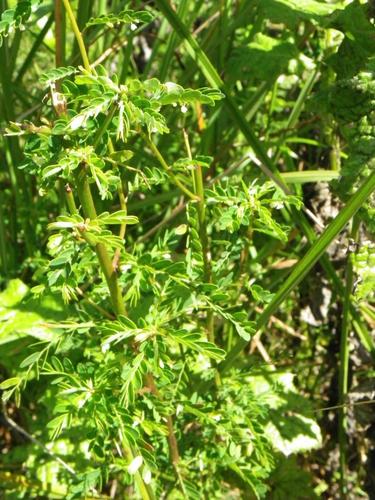
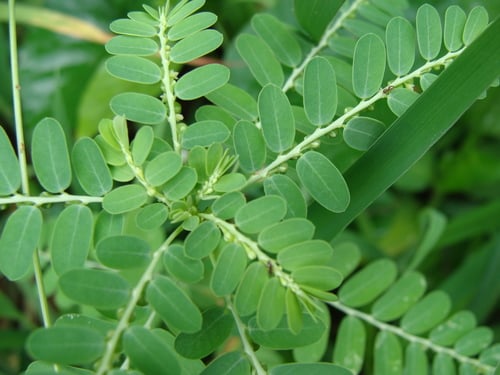
Baccaurea angulata
Merr.
Red-angled tampoi
iNaturalist· cc-by
(c) ml_ls, some rights reserved (CC BY), uploaded by ml_ls
iNaturalist· cc-by-nc
(c) Randi Agusti, some rights reserved (CC BY-NC)
Summary
Source: WikipediaBaccaurea angulata, also known as belimbing hutan or belimbing darah in Malay and more locally as ucong or embaling, is a species of flowering plant, a fruit tree in the tampoi family, that is native to Southeast Asia, especially Indonesia.
Description
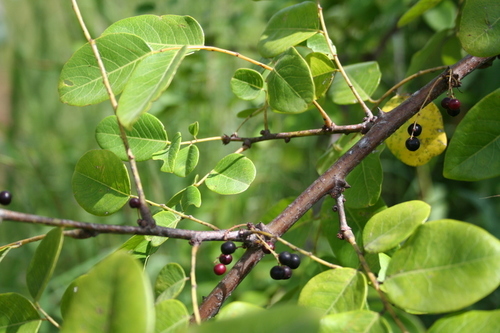
A tree. It grows 6-21 m tall. The trunk is 20 cm across. The bark is patchy grey. The leaves are narrowly oval and 12-40 cm long by 4-14 cm wide. The fruit are red and hang from the trunk fruit. They have several angular lobes. The fruit are edible.
Edible Uses
The acid to sour fruit is eaten fresh or cooked as a vegetable, and the juice is used to make drinks.
Traditional Uses
The fruit is eaten. It is acid to sour. It is eaten fresh or cooked as a vegetable. The juice is used to make a drink.
This uses section is brief — help expand it
Medicinal Uses
We have no specific information on this species, but the bark of several members of this genus is used to relieve eye inflammation.
Distribution
A tropical plant. It is best in shade. It grows from sea level to 800 m above sea level.
Where It Grows
Asia, Brunei, Indonesia, Malaysia, Sarawak, SE Asia,
Cultivation
Plants can be grown by seeds.
Propagation
Seed - when sown fresh it usually germinates in a few days.
Other Uses
We have no specific information for this species, but the bark of several members of this genus is used, along with other ingredients, as a dyestuff to colour silk yellow, red or mauve, using the dyeing process known as 'pekan' in Malay. Although we have no specific information for this species, most members of this genus produce an excellent timber, which can be used to build houses and boats and to make furniture. In common with other trees that produce their flowers and fruits on the trunk of the tree, members of this genus are generally considered to be good support trees for the climbing rattan palms, which are grown to provide material for basket making, weaving into furniture, making ropes etc.
Other Information
Fruit are sold in markets and important in ceremonies.
Notes
There are about 80 Baccaurea species. These were previously in the Euphorbiaceae.
Nutrition
| Part | Moisture | kJ | kcal | Protein | Vit A | Vit C | Iron | Zinc |
|---|---|---|---|---|---|---|---|---|
| Fruit | 73.8 | 391 | 93 | 3.8 | — | 0.1 | 6 | 5.8 |
Also Known As
Asem ketiak, Belimbing bukit, Belimbing dayak, Belimbing hutan, Belimbing merah, Bobou, Embaling, Pidau, Tampoi belimbing, Uchong, Ucong, Ujung, Umbing, Umbung
References (9)
- Chai, P. P. K. (Ed), et al, 2000, A checklist of Flora, Fauna, Food and Medicinal Plants. Lanjak Entimau Wildlife Sanctuary, Sarawak. Forestry Malaysia & ITTO. p 167
- Dodo, 2015, Keanekaragaman dan konservasi Tumbuhan Buah Langka Indonesia. Pusat Konservasi Tumbuhan Kebun Raya – LIPI. Warta Kebun Raya 13(2)
- Milow, P., et al, 2013, Malaysian species of plants with edible fruits or seeds and their evaluation. International Journal of Fruit Science. 14:1, 1-27
- Pl. elmer. born. 148. 1929
- Siong, K. H., 2003, Indigenous Fruits of Sarawak. ITTO & Sarawak Forest Department. p 51
Show all 9 references Hide references
- Tankard, G., 1990, Tropical fruit. An Australian Guide to Growing and using exotic fruit. Viking p 126
- USDA, ARS, National Genetic Resources Program. Germplasm Resources Information Network - (GRIN). [Online Database] National Germplasm Resources Laboratory, Beltsville, Maryland. Available: www.ars-grin.gov/cgi-bin/npgs/html/econ.pl (10 April 2000)
- Wiersema, J. H. & Leon, B., 2013, World Economic Plants. A Standard Reference CRC Press. 2nd Ed. p 89
- World Checklist of Useful Plant Species 2020. Royal Botanic Gardens, Kew