Azorella trifurcata
(Gaertn.) Hook.f.
iNaturalist· cc-by-nc
(c) Pat Deacon, some rights reserved (CC BY-NC), uploaded by Pat Deacon
iNaturalist· cc0
no rights reserved, uploaded by Tabaré Barreto
iNaturalist· cc0
no rights reserved, uploaded by Hugo Hulsberg
Summary
Azorella trifurcata is a very low evergreen perennial reaching just 10 cm tall with a spread of 50 cm, creating a wide mat. Year-round foliage is maintained, and small insect-pollinated flowers appear on this self-fertile plant with both male and female organs. It prefers light, sandy, well-drained soil and can survive in poor soil. It grows in mildly acidic to basic soils and requires full sun. It tolerates both dry and moist conditions and can withstand maritime exposure.
Description
A herb which forms a cushion or compact mound. The leaves are grey-green and leathery. They are 2-5 mm long by 2-5 mm wide. They have 3 lobes. The flowers are yellow and in heads.
Edible Uses
Edible Parts: Root Edible Uses: Root - raw or cooked.
Medicinal Uses
None known
Distribution
It is a temperate plant. In Argentina it grows from sea level to 3,500 m above sea level. It suits hardiness zones 6-9.
Where It Grows
Argentina, Australia, Chile, Falkland Islands, South America,
Propagation
Seed - we have no details for this species but suggest sowing the seed in late winter in a cold frame. Grow on for at least the first winter in a greenhouse or frame and plant out in late spring. Division.
Other Uses
None known Special Uses
Notes
There are about 70 Azorella species.
Synonyms
References (4)
- Cundall, P., (ed.), 2004, Gardening Australia: flora: the gardener's bible. ABC Books. p 211
- Leon-Lobos, P., et al, 2022, Patterns of Traditional and Modern Uses of Wild Edible Native Plants of Chile: Challenges and Future Perspectives. Plants (Basel) v 11 (6) Table S1
- Plants for a Future database, The Field, Penpol, Lostwithiel, Cornwall, PL22 0NG, UK. http://www.scs.leeds.ac.uk/pfaf/
- Plants for a Future database, The Field, Penpol, Lostwithiel, Cornwall, PL22 0NG, UK. http://www.scs.leeds.ac.uk/pfaf/ (As Azorella caespitosa)
More from Apiaceae
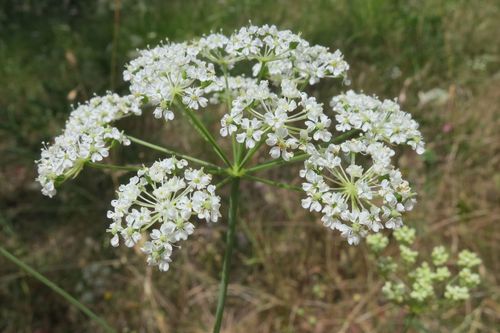
Perideridia oregana
Squaw potato, Eppaw
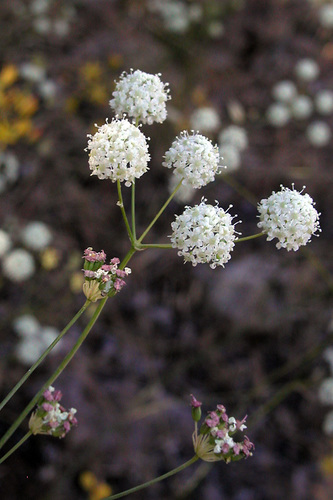
Perideridia pringlei
Adobe yampah
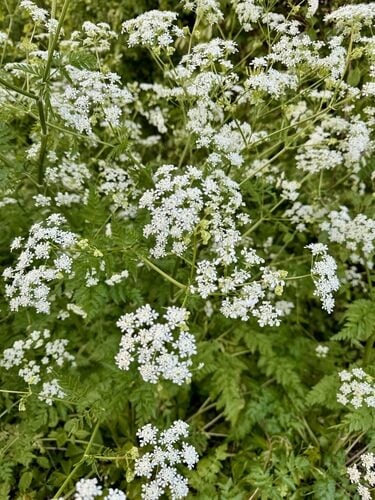
Petroselinum crispum
Parsley
Petroselinum crispum tuberosum - (Bernh.)Crov.
Hamburg Parsley
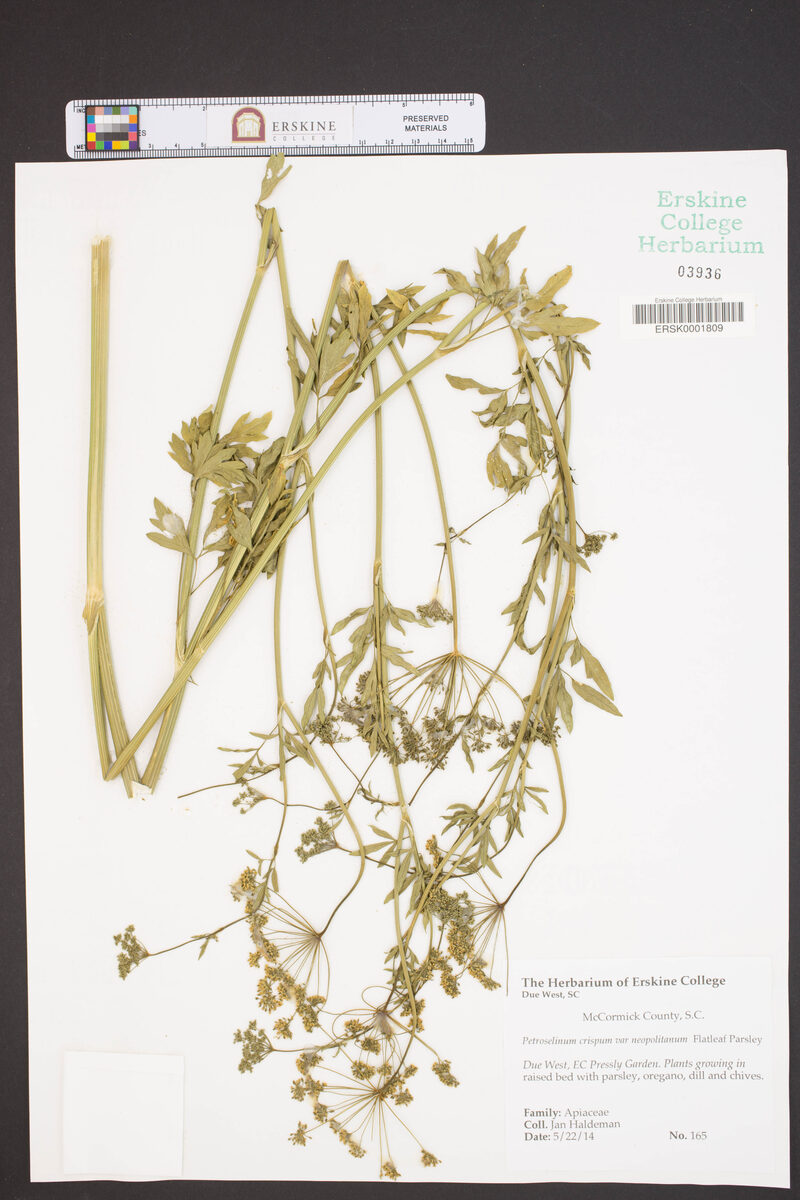
Petroselinum crispum var. neapolitanum
Italian parsley, French parsley, Flat-leaved parsley
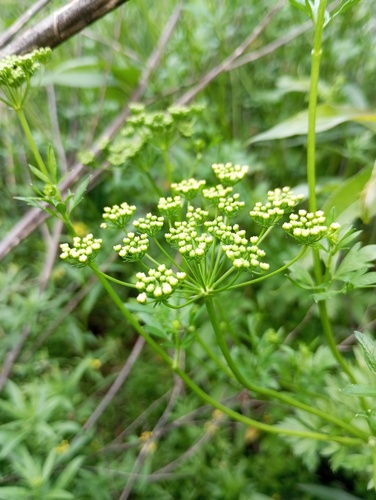
Petroselinum crispum var. tuberosum
Hamburg parsley, Turnip-rooted parsley, Parsnip-rooted parsley, German parsley