Azorella selago
Hook.f.
Cuchion azorella
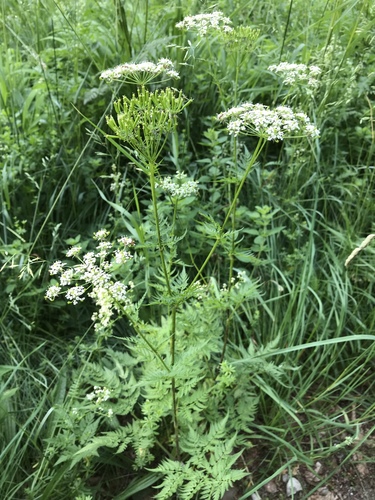
iNaturalist· cc-by
(c) Brooke Smith, some rights reserved (CC BY), uploaded by Brooke Smith
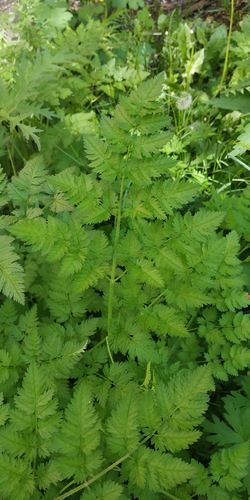
iNaturalist· cc-by-nc-nd
(c) simben, some rights reserved (CC BY-NC-ND), uploaded by simben
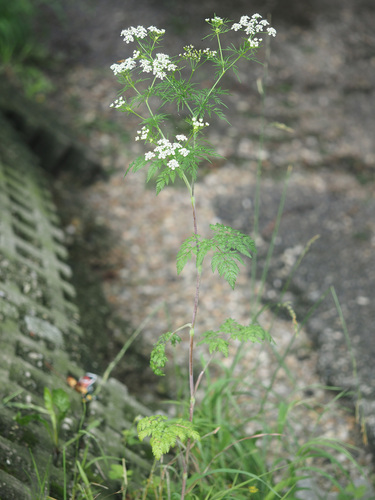
iNaturalist· cc-by-nc
(c) eliegaget, some rights reserved (CC BY-NC)
Summary
Source: WikipediaAzorella selago is a species of cushion plant native to the sub-Antarctic islands of the Southern Ocean, including the Crozet Islands, the Possession Islands, the Heard Island and McDonald Islands, the Kerguelen Islands, and the Prince Edward Islands. The closely related Azorella macquariensis, which is endemic to Macquarie Island, was split from it taxonomically in 1989. A. selago is often a keystone species where it occurs and is well studied for its contribution to its native ecosystems.
Description
A herb which forms a cushion or hummock. It is dense and dark green. It develops woody stems with age. It grows 5-10 cm high and spreads 10-30 cm wide. The leaves are 2-5 mm long by 4-6 mm wide. The flowers are pale pink. The fruit are 2 mm long by 1 mm wide. They are oblong.
Edible Uses
Edible Parts: Root Edible Uses: Root - raw or cooked.
Medicinal Uses
None known
Distribution
It grows in subantarctic locations. It needs shade from hot summer sun. In Argentina it grows from sea level to 1,000 m above sea level. It suits hardiness zones 7-9.
Where It Grows
Argentina, Australia, Chile, Falkland Islands, South America,
Cultivation
We have very little information on this species and do not know if it will be hardy in Britain, though judging by its native range it should succeed outdoors in many parts of this country. Plants form dense cushions up to 1m in diameter. The following notes are based on the general needs of the genus. Requires a position in full sun in a well-drained gritty soil.
Propagation
Seed - we have no details for this species but suggest sowing the seed in late winter in a cold frame. Grow on for at least the first winter in a greenhouse or frame and plant out in late spring. Division.
Other Uses
None known Special Uses
Notes
There are about 70 Azorella species.
References (4)
- Cundall, P., (ed.), 2004, Gardening Australia: flora: the gardener's bible. ABC Books. p 211
- Leon-Lobos, P., et al, 2022, Patterns of Traditional and Modern Uses of Wild Edible Native Plants of Chile: Challenges and Future Perspectives. Plants (Basel) v 11 (6) Table S1
- Plants for a Future database, The Field, Penpol, Lostwithiel, Cornwall, PL22 0NG, UK. http://www.scs.leeds.ac.uk/pfaf/
- Upson, R., & Lewis R., 2014, Updated Vascular Plant Checklist and Atlas for the Falkland Islands. Falklands Conservation and Kew.