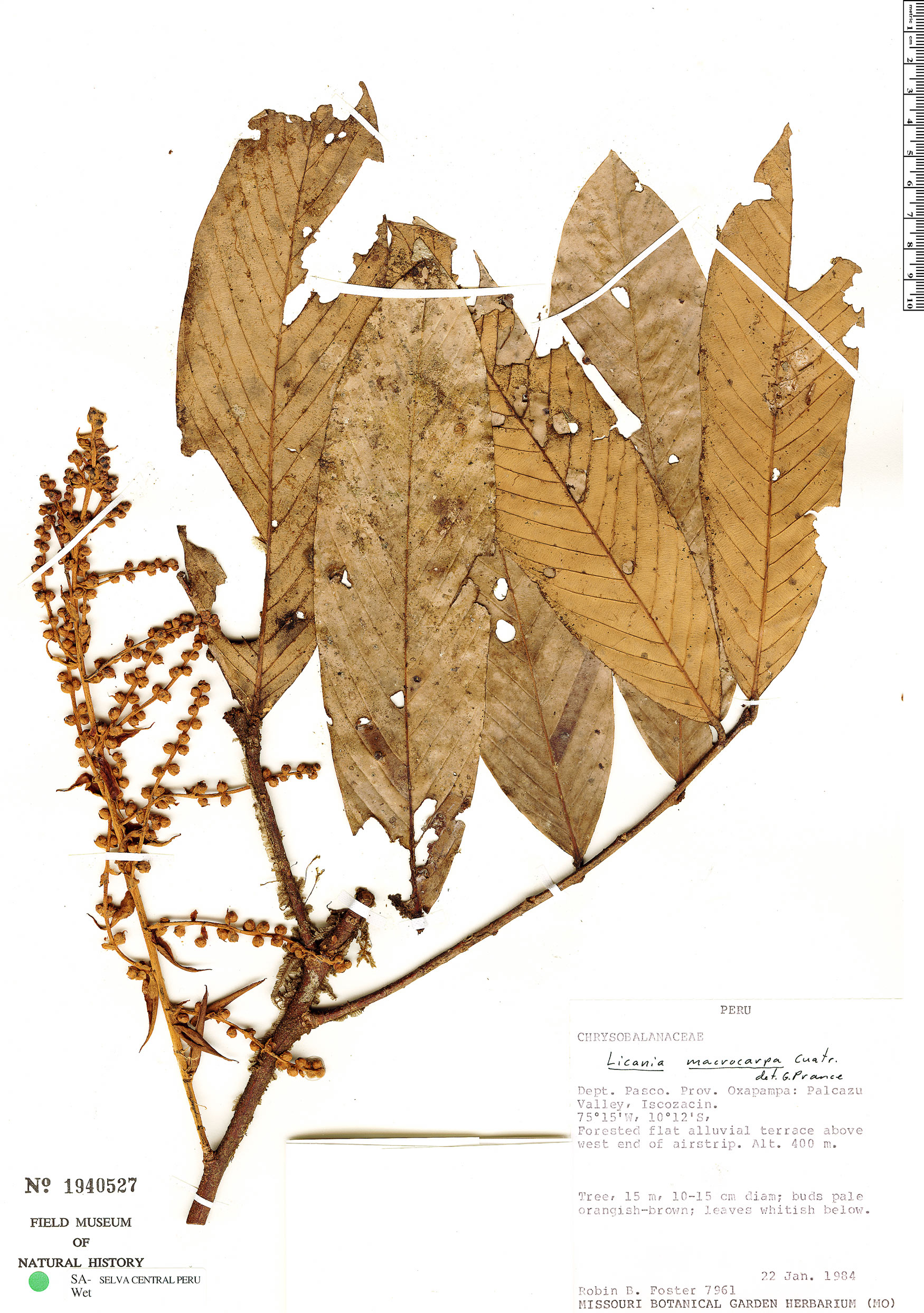
Atuna racemosa subsp. excelsa
Rafin; (Jack) Prance
gbif· cc-by-nc
President and Fellows of Harvard College
gbif· cc-by
Royal Botanic Gardens, Kew
gbif· cc-by
Royal Botanic Gardens, Kew
Description
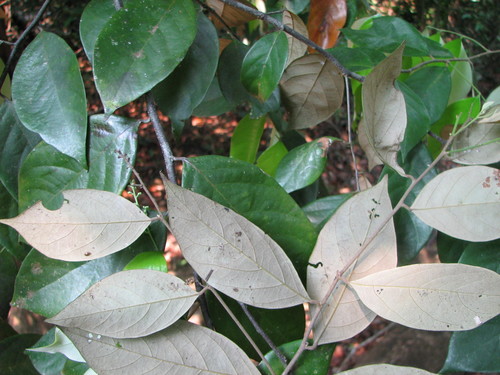
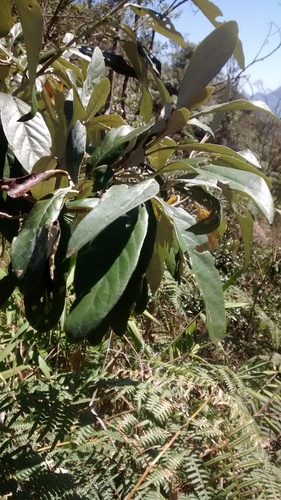
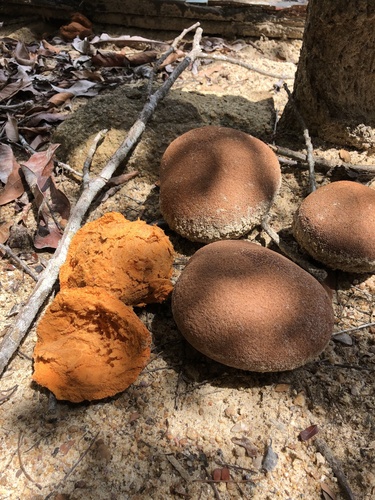
A tree. It grows 20 m all. The trunk is 50 cm across. The bark is white and smooth. The fruit are oval and 5-12 cm long by 2-5 cm wide. The base is rounded or heart shaped. The flowers are bluish to white. Brown fruit and dead leaves are found on the ground. The fruit are pear shaped and 5-7 cm across. Ripe fruit are edible.
Edible Uses
The fruit is made into a putty for sealing canoes in the Pacific islands. Oil from the seeds is used as a scent. Leaves are used as thatch in Fiji. In the Philippines, where the tree is known as tabon-tabon, juice from the grated flesh of the fruits is used to neutralize the fishy taste and the acidity of the raw seafood dish kinilaw. The remains of halved tabon-tabon fruits alongside cut fish bones have been recovered from the Balangay archeological excavation site in Butuan (dated c. 10th to 13th century AD) indicating that this cooking practice is almost a thousand years old.
Traditional Uses
The seeds are mashed and mixed with small fried fish and ginger, onions, chillies and lime juice.
This uses section is brief — help expand it
Distribution
A tropical plant.
Where It Grows
Asia, Brunei, Indonesia, Malaysia, SE Asia,
Notes
The woo
Synonyms
References (3)
- Brunei database
- Kebler, P. J. A., & Kidiyasa, 1994, Trees of the Balikpapan-Samarinda area of East Kalimantan, Indonesia. The Tropenbos Foundation, Wageningen, The Netherlands. p 80
- Prance, G., 1989, Chrysobalanaceae in Flora Malesiana Series 1 Vol 10 p 640