Baccharoides adoensis
(Sch.Bip. ex Walp.) H. Rob.
Shire vernonia
iNaturalist· cc-by-nc-sa
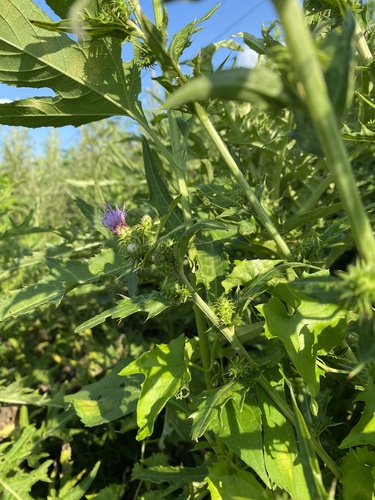
(c) Marco Schmidt, some rights reserved (CC BY-NC-SA), uploaded by Marco Schmidt
iNaturalist· cc-by-nc-sa
(c) Marco Schmidt, some rights reserved (CC BY-NC-SA), uploaded by Marco Schmidt
iNaturalist· cc-by-nc
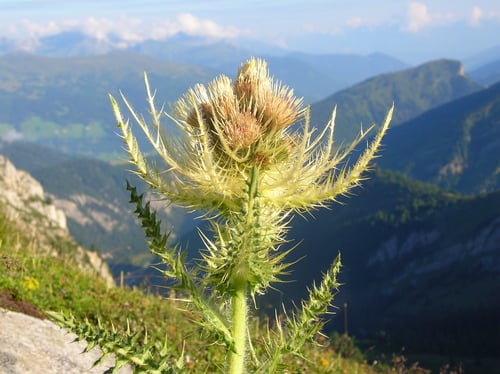
(c) Bart Wursten, some rights reserved (CC BY-NC), uploaded by Bart Wursten
Description
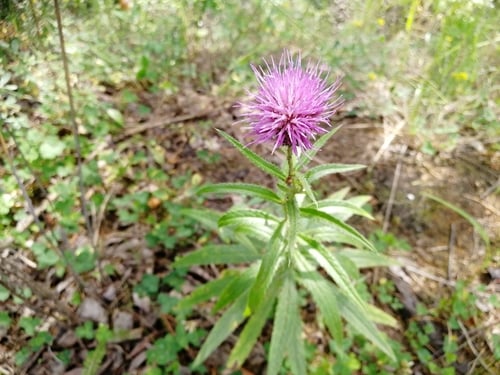
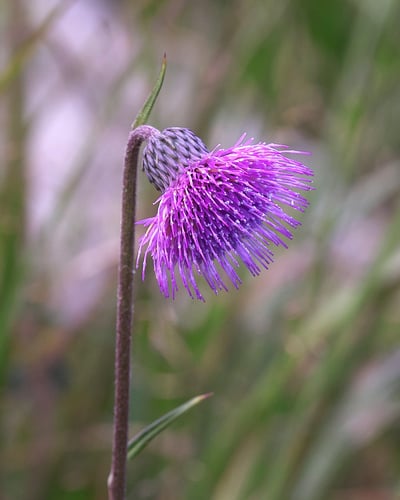
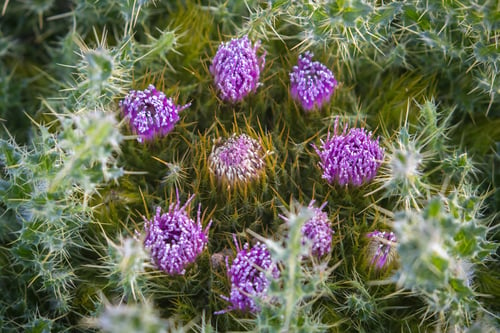
A shrub that has soft wood. It grows 2 m tall. The leaves are alternate and broadly oval. They have strongly wavy edges. The flowers are in several large flower heads on long stalks. They are white and mauve. The have several loose bracts around them.
Edible Uses
The root is edible.
Medicinal Uses
The bitter leaves are used as a stomachic.
Distribution
It is a tropical plant. It grows in open woodland and wooded grassland. It is often near streams.
Where It Grows
Africa, Burkina Faso, Central Africa, Congo, East Africa, Ethiopia, Malawi, Nigeria, West Africa, Zambia, Zimbabwe,
Notes
There are several hundred Vernonia species. They occur throughout the tropics.
Synonyms
References (3)
- Dalziel, J. M., 1937, The Useful plants of west tropical Africa. Crown Agents for the Colonies London.(As Vernonia tenoreana)
- Peters, C. R., O'Brien, E. M., and Drummond, R.B., 1992, Edible Wild plants of Sub-saharan Africa. Kew. p 93 (As Vernonia adoensis)
- Pickering, H., & Roe, E., 2009, Wild Flowers of the Victoria Falls Area. Helen Pickering, London. p 41 (As Vernonia adoensis)