Adinandra bockiana
E. Pritz. ex Diels
Wong-pan-ch'a-shue
gbif· cc-by-nc-sa
GBIF
gbif· cc0
Botanical Research Institute of Texas
gbif· cc-by
Royal Botanic Gardens, Kew
Description
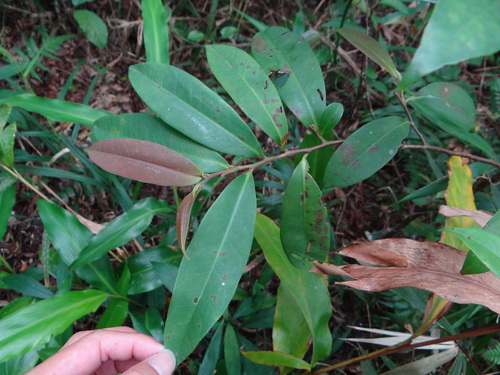
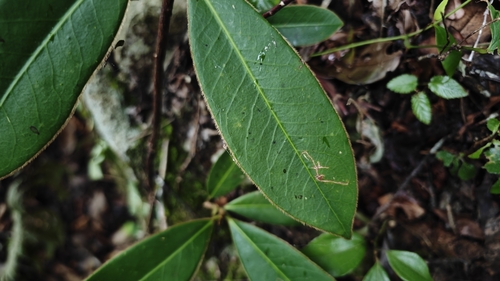
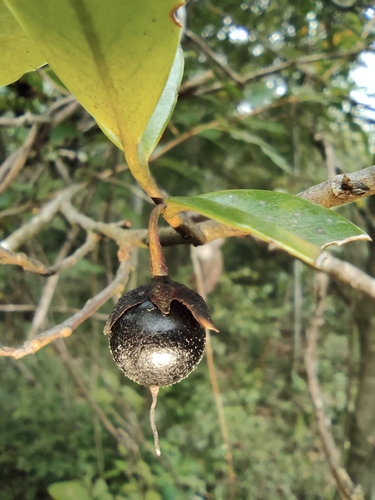
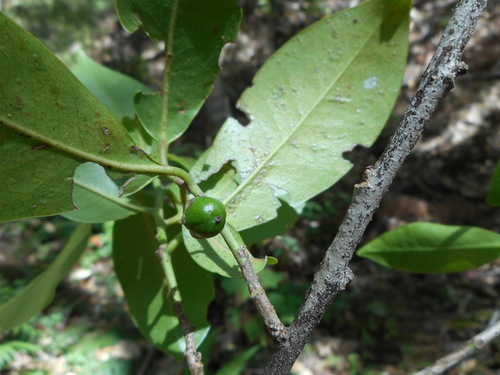
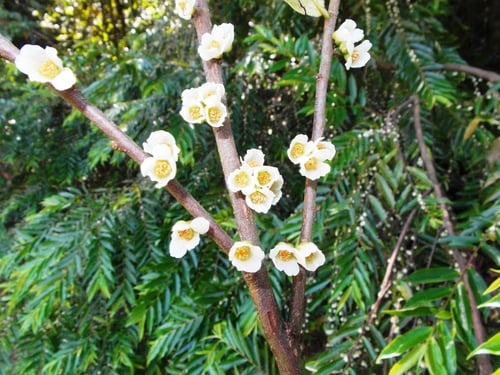
An evergreen shrub or small tree. It grows 2-9 m tall. The leaves are oblong and 9-13 cm long by 3-4 cm wide. They are leathery. The flowers occur singly in the axils of leaves. The petals are white. The ripe fruit are black. They are 1 cm across. There are many seeds.
Edible Uses
The fruit is eaten and can be used to make tea.
Traditional Uses
The fruit are eaten.
This uses section is brief — help expand it
Distribution
It is a subtropical plant. It grows in wetter locations. In forests or valleys between 200-1,500 m above sea level. In Sichuan.
Where It Grows
Asia, China,
Notes
Theaceae are mainly tropical and subtropical. Also put in the family Theaceae.
Synonyms
References (5)
- Altschul, S.V.R., 1973, Drugs and Foods from Little-known Plants. Notes in Harvard University Herbaria. Harvard Univ. Press. Massachusetts. no. 2842
- Altschul, S.V.R., 1973, Drugs and Foods from Little-known Plants. Notes in Harvard University Herbaria. Harvard Univ. Press. Massachusetts. no. 2844 (As Adinandra millettia)
- L. Diels, Bot. Jahrb. Syst. 29:474. 1900
- Facciola, S., 1998, Cornucopia 2: a Source Book of Edible Plants. Kampong Publications, p 241
- Reis, S. V. and Lipp, F. L., 1982, New Plant Sources for Drugs and Foods from the New York Botanical Garden herbarium. Harvard. p 184 (As Adinandra acutifolia)