Elaeocarpus pedunculatus
Wall.
iNaturalist· cc-by-nc
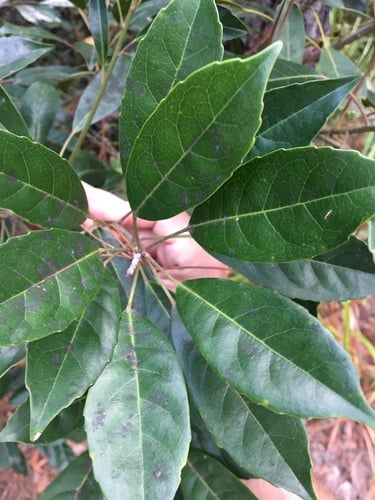
(c) SunGW, some rights reserved (CC BY-NC), uploaded by SunGW
iNaturalist· cc-by-nc
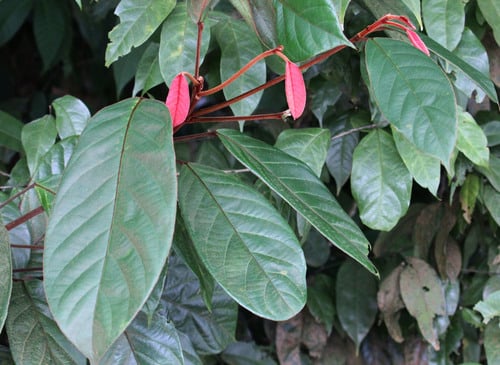
(c) SunGW, some rights reserved (CC BY-NC)
Description
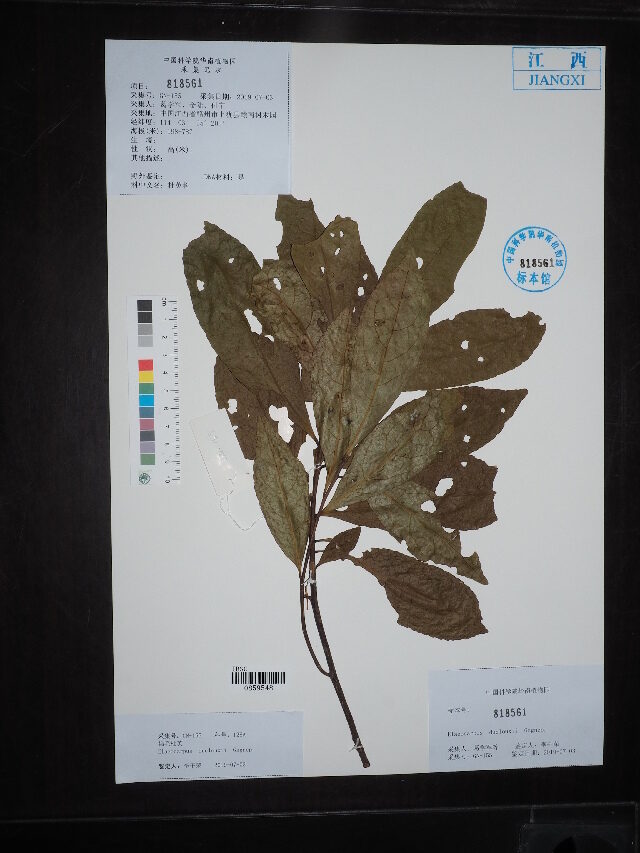
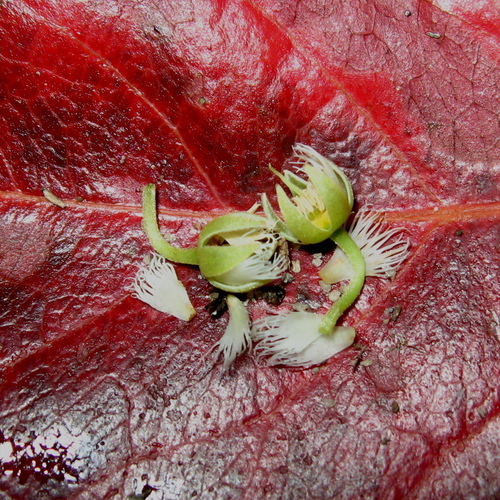
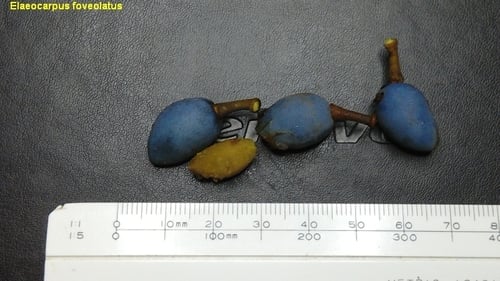
A tree. It grows 30 m tall. The leaves are alternate and simple. There are teeth along the edge and the leaf stalks are long. The flowers are 13 mm across. They are white to yellow. The fruit are about 1 cm long. They are blue-green and fleshy.
Edible Uses
Fruit. The green-blue, fleshy drupes are around 11mm long.
Distribution
A tropical plant. It grows in forests up to 1,700 m above sea level. It is often on sandy and silty soils.
Where It Grows
Asia, Brunei, Indonesia, Malaysia, Philippines, SE Asia,
Cultivation
Found in the wild on sandy to silty soils. We have no more specific information for this species, but members of this genus generally grow well in full sun to moderate shade, requiring a fertile, moist but well-drained soil.
Propagation
The seed of most species in this genus is covered by a hard, woody shell and can be very slow and erratic to germinate, sometimes taking 2 years or more. Filing down the shell, or cracking it (being very careful not to damage the seed) in order to allow the ingress of moisture can help to greatly speed up germination. Sow the seed in containers in light shade. When the seedlings are large enough to handle, prick them out into individual pots and grow them on until large enough to plant out, Cuttings of almost ripe shoots, in a sandy soil in a frame. The leaves should be left on the stem.. Many species strike readily from cuttings.
Notes
There are about 360 Elaeocarpus species mostly in the tropics.
Synonyms
Also Known As
Derumun padi, Jerumun padi, Kalabokok, Kedok, Kelembubuk, Kolimbobok, Kungkurad, Parius parius, Parous-parous, Peredu, Prius-prius
References (3)
- Burkill, I.H., 1966, A Dictionary of the Economic Products of the Malay Peninsula. Ministry of Agriculture and Cooperatives, Kuala Lumpur, Malaysia. Vol 1 (A-H) p 918
- Reis, S. V. and Lipp, F. L., 1982, New Plant Sources for Drugs and Foods from the New York Botanical Garden herbarium. Harvard. p 175
- Slik, F., www.asianplant.net