Elaeocarpus sylvestris
(Lour.) Poir
Yeung Shi Ue Shue, Shan du ying
iNaturalist· cc-by-nc
(c) 小铖/Smalltown, some rights reserved (CC BY-NC), uploaded by 小铖/Smalltown
iNaturalist· cc-by-nc
(c) sechiilovednature, some rights reserved (CC BY-NC)
iNaturalist· cc-by-nc
(c) onidiras-iNaturalist, some rights reserved (CC BY-NC), uploaded by onidiras-iNaturalist
Summary
Source: WikipediaElaeocarpus sylvestris is a species of flowering plant in the family Elaeocarpaceae. It is sometimes referred to by the common name woodland elaeocarpus.
Description
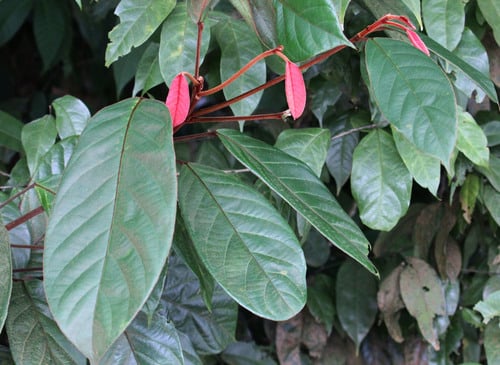
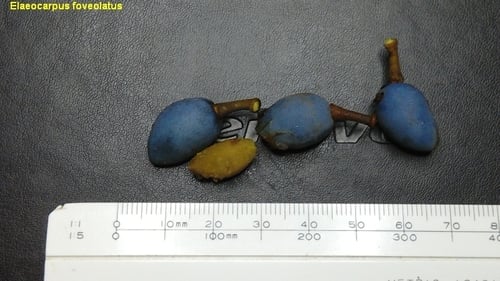
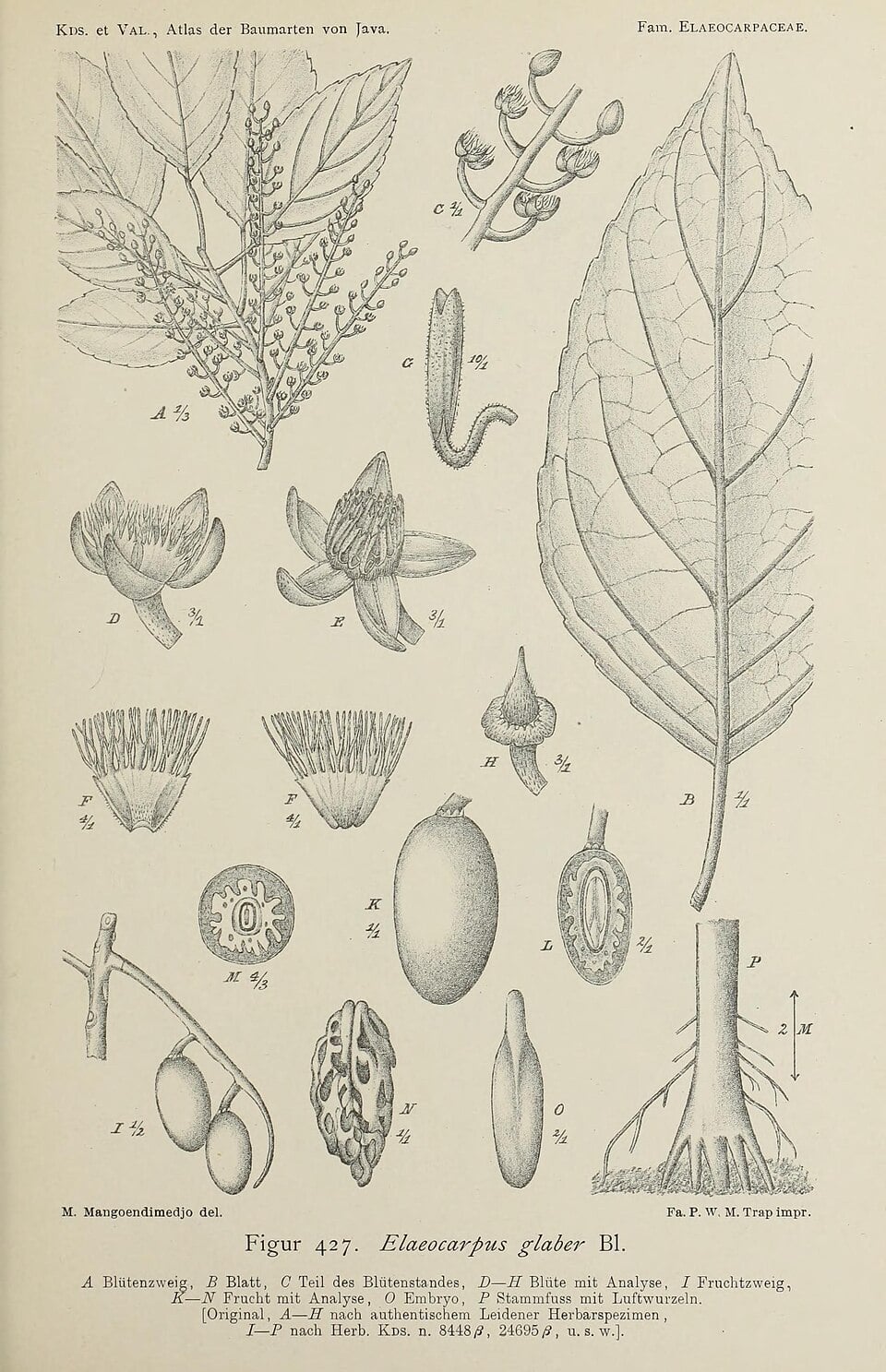
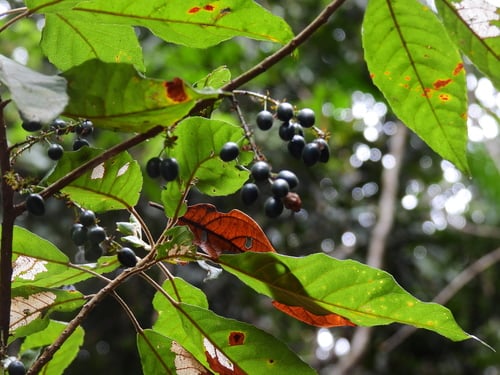
A tree. It grows up to 15 m tall. The leaves are oval and 4-12 cm long by 2-7 cm wide. The fruit is oval and 1-1.2 cm long by 0.7 cm wide. It is black.
Edible Uses
The fruits of the woodland elaeocarpus are edible. The oil from the seeds may be processed into soap or lubricants. The bark may be used as a source for dye. The wood does not resist water, so it is not considered good timber, but it is used for growing shiitake mushrooms. It is also planted along streets and in parks.
Traditional Uses
The ripe fruit are eaten raw.
This uses section is brief — help expand it
Distribution
A tropical plant. It grows in evergreen forests between 300 and 2000 m altitude in southern China. In Sichuan and Yunnan.
Where It Grows
Asia, China, Indochina, Korea, SE Asia, Taiwan, Vietnam,
Production
In China plants flower in April to May and fruit May to August.
Notes
There are about 360 Elaeocarpus species mostly in the tropics.
Synonyms
Also Known As
Com trau, Na ci ci ha
References (5)
- Altschul, S.V.R., 1973, Drugs and Foods from Little-known Plants. Notes in Harvard University Herbaria. Harvard Univ. Press. Massachusetts. no. 2685
- Kuo, W. H. J., (Ed.) Taiwan's Ethnobotanical Database (1900-2000), http://tk.agron.ntu.edu.tw/ethnobot/DB1.htm
- Luo, B., et al, 2019, Wild edible plants collected by Hani from terraced rice paddy agroecosystem in Honghe Prefecture, Yunnan, China. Journal of Ethnobiology and Ethnomedicine 15:56 (As Elaeocarpus decipiens)
- Reis, S. V. and Lipp, F. L., 1982, New Plant Sources for Drugs and Foods from the New York Botanical Garden herbarium. Harvard. p 175
- Tang ya, Phengklai, C., Elaeocarpaceae, Flora of China.