Acacia hindsii
Benth.
Guascanal, Cachito
iNaturalist· cc-by-nc
(c) LauraReginaAC, some rights reserved (CC BY-NC)
iNaturalist· cc-by-nc
(c) LauraReginaAC, some rights reserved (CC BY-NC)
iNaturalist· cc-by-nc
(c) LauraReginaAC, some rights reserved (CC BY-NC)
Description
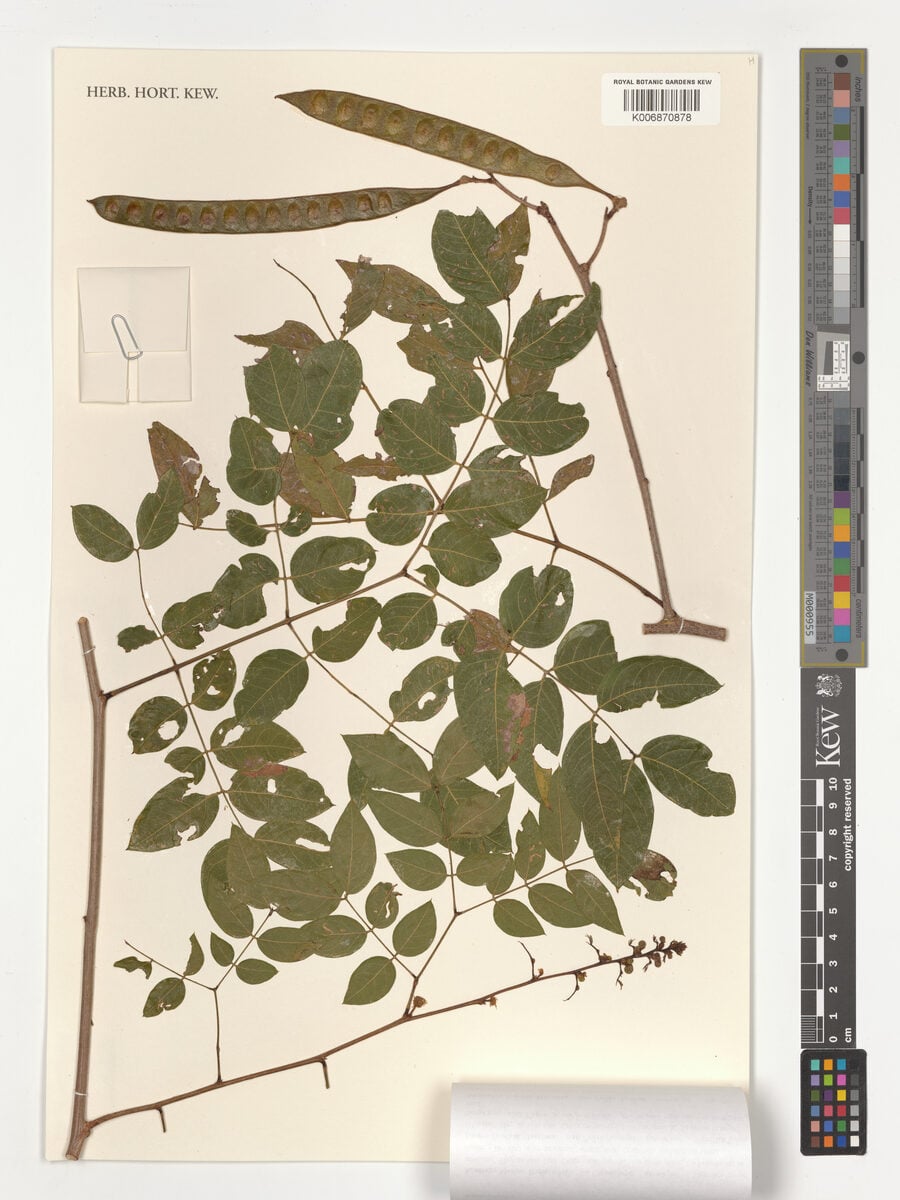
A shrub or small tree. It grows 5 m tall. There are prickles along the stem. The leaves are twice divided and there are 8-18 pairs of pinnae. There are up to 50 pairs of pinnules on each pinnae. The flowers are yellow. They are in large clusters at the ends of branches. The pods are flattened.
Edible Uses
The pod pulp is edible.
Distribution
It is a tropical plant.
Where It Grows
Belize, Central America, El Salvador, Guatemala, Honduras, Mexico, Nicaragua, North America, Panama,
Notes
There are about 1,350 Acacia species. Over 1,000 occur in Australia. Also as Mimosaceae.
Synonyms
Also Known As
Cutupito, Iscanal negro, Subin
References (2)
- Altschul, S.V.R., 1973, Drugs and Foods from Little-known Plants. Notes in Harvard University Herbaria. Harvard Univ. Press. Massachusetts. no. 1606
- ILDIS Legumes of the World http:www;ildis.org/Legume/Web
More from Fabaceae
Leucaena confertiflora var. confertiflora
Guaje, Gueje dal Cerro, Huaje
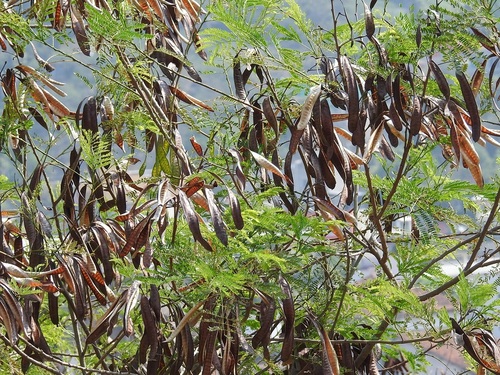
Leucaena cuspidata
Efe, Efe de Cerro, Huaxi
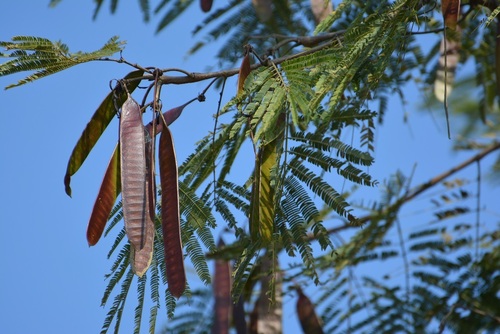
Leucaena diversifolia
Guache, Guaje
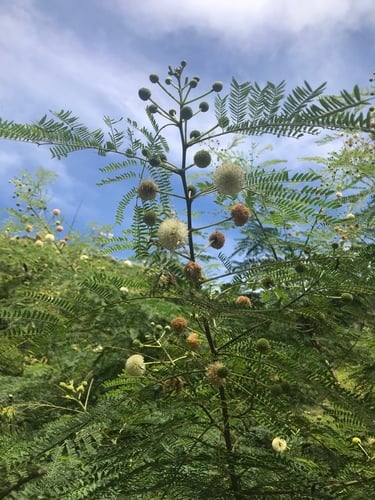
Leucaena leucocephala subsp. glabrata
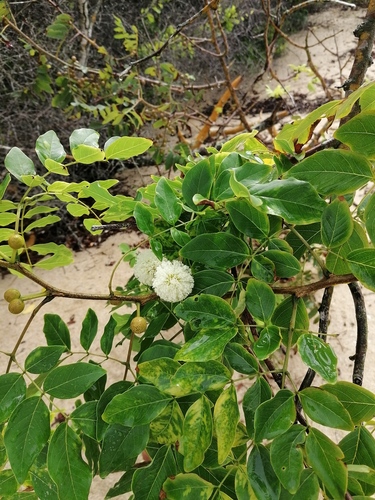
Leucaena macrophylla
Calguje, Frijolito, Guaje blanco
Leucaena macrophylla subsp. istmensis
Guaje, Chicaoaxin, Marinero