Rubus vulcanicola
(Donn.Sm.) Rydb.
wikimedia· cc-by-sa
Bernie (via Wikimedia Commons)
gbif· cc-by
Royal Botanic Gardens, Kew
Summary
Source: WikipediaRubus vulcanicola is an uncommon Central American species of brambles in the rose family. It has been found only in Panama and Costa Rica. The species was initially discovered on the sides of Volcán Poas in Costa Rica. Rubus vulcanicola is a prickly perennial. Leaves are compound with 3 or 5 leaflets. Flowers are pink or rose-colored. Fruits are black.
Description
A tropical bramble in the Rosaceae family with edible fruit.
This description is brief — help expand it
Edible Uses
The fruit is eaten.
Distribution
A tropical plant.
Where It Grows
Central America, Costa Rica, Mexico, Panama,
Notes
There are about 250 Rubus species.
Dangerous Lookalikes
This plant can be confused with the following toxic species. Always verify identification carefully before consuming any wild plant.
Red Baneberry
Actaea rubra
Walter Siegmund (talk)
Rubus vulcanicola
Rubus vulcanicola
Bernie (via Wikimedia Commons)
Red Baneberry: Short herbaceous plant (no thorns), berries on thick red stems, each berry has a single seed, compound sharply-toothed leaves.
Rubus vulcanicola: Thorny woody canes (brambles), aggregate berry made of many drupelets, berries pull easily from receptacle.
Synonyms
References (1)
- Altschul, S.V.R., 1973, Drugs and Foods from Little-known Plants. Notes in Harvard University Herbaria. Harvard Univ. Press. Massachusetts. no. 1415
More from Rosaceae
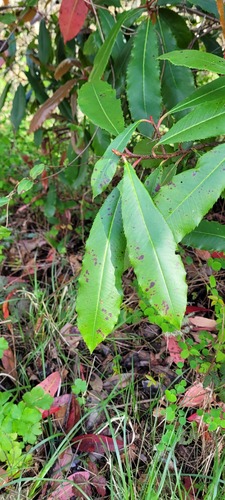
Photinia serrulata
Photinia
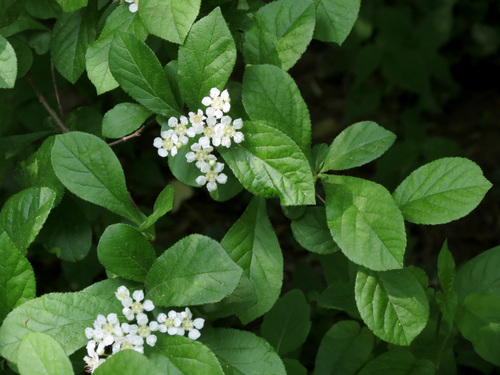
Photinia villosa
Oriental Photinia
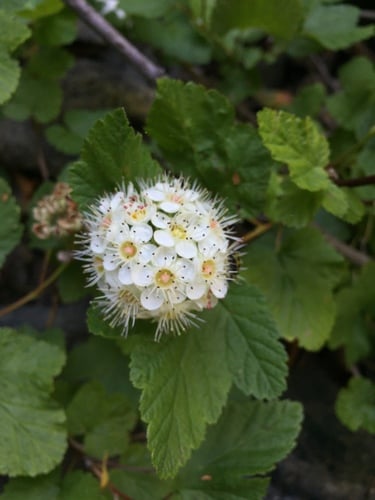
Physocarpus capitatus
Pacific ninebark
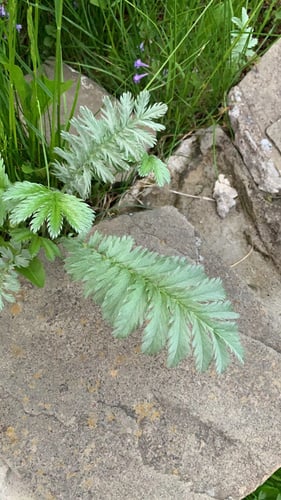
Potentilla anserina
Silverweed, Goose grass, Goose tansy, Shrubby cinquefoil, Argentine, Tibetan sweet potato
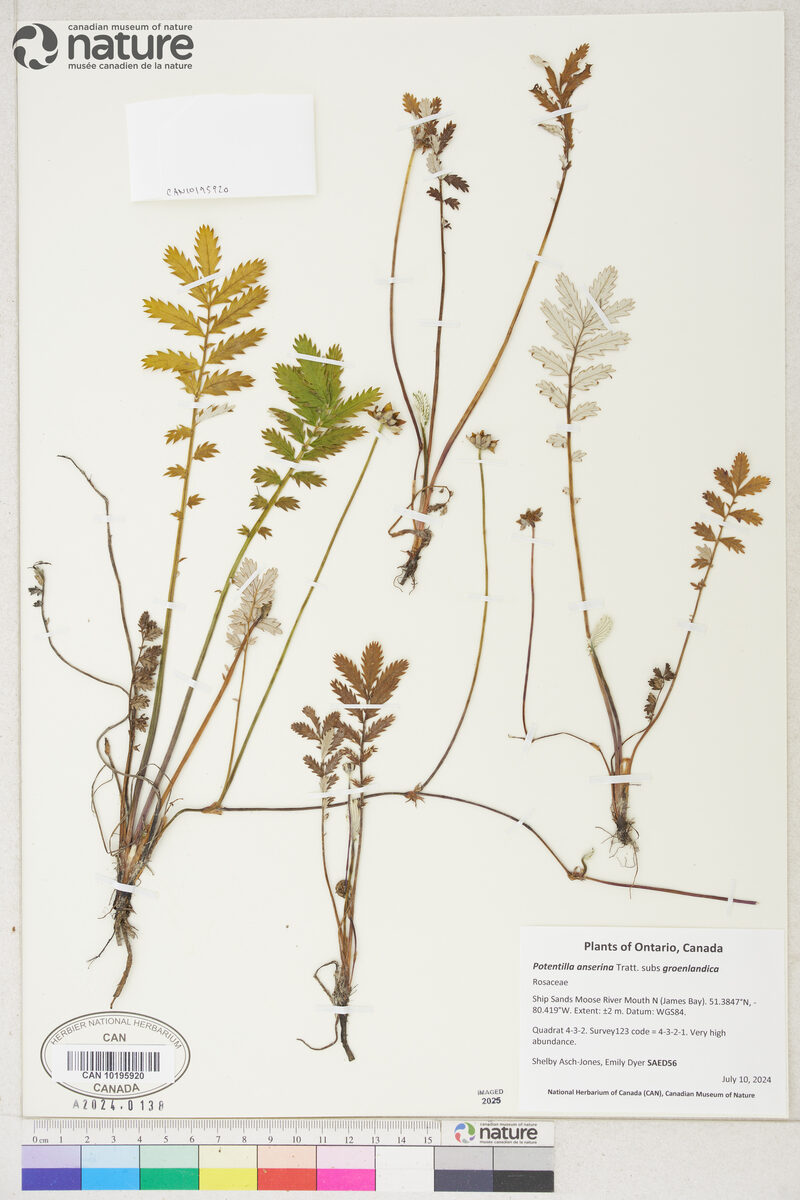
Potentilla anserina subsp. groenlandica
Pacific silverweed, Eged's pacific silverweed
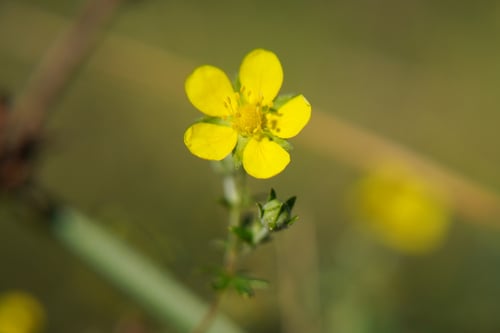
Potentilla argentea