Manilkara chicle
(Pittier) Gilly
Chicle
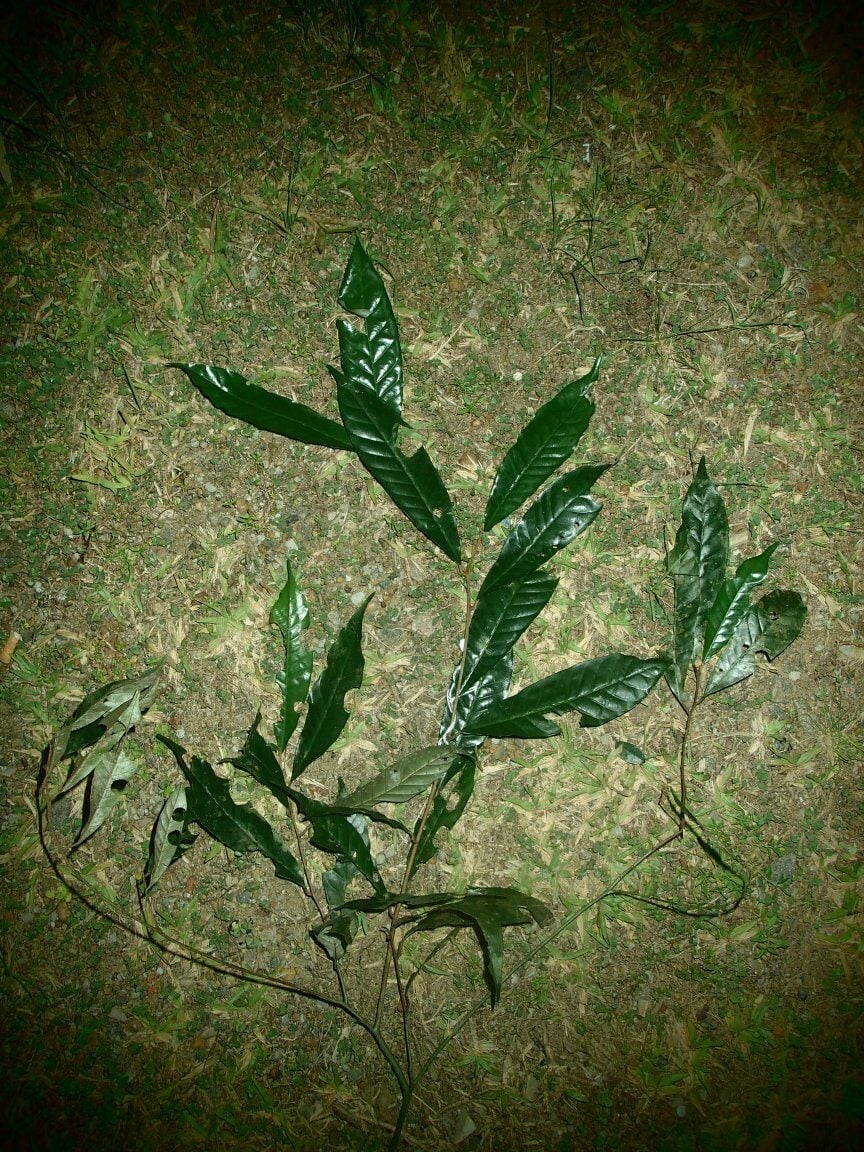
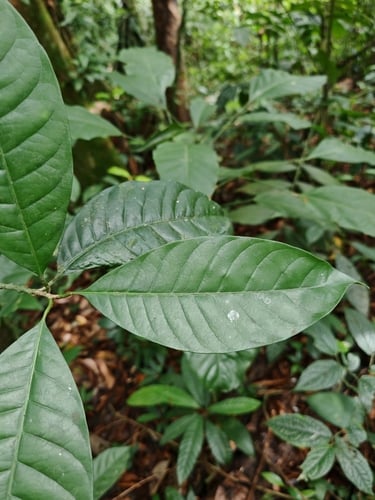
iNaturalist· cc-by-nc
(c) Nathaline E. Taylor Aquino, some rights reserved (CC BY-NC), uploaded by Nathaline E. Taylor Aquino
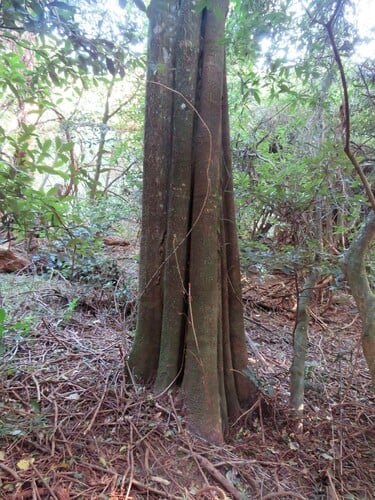
iNaturalist· cc-by-nc
(c) Nathaline E. Taylor Aquino, some rights reserved (CC BY-NC), uploaded by Nathaline E. Taylor Aquino
Summary
Source: WikipediaManilkara chicle is a tropical evergreen tree native to Mexico and Central America. The tree ranges from Veracruz in Mexico south to Atlántico in Colombia. It yields a natural gum known as chicle, traditionally used in making chewing gum and other products.
Description
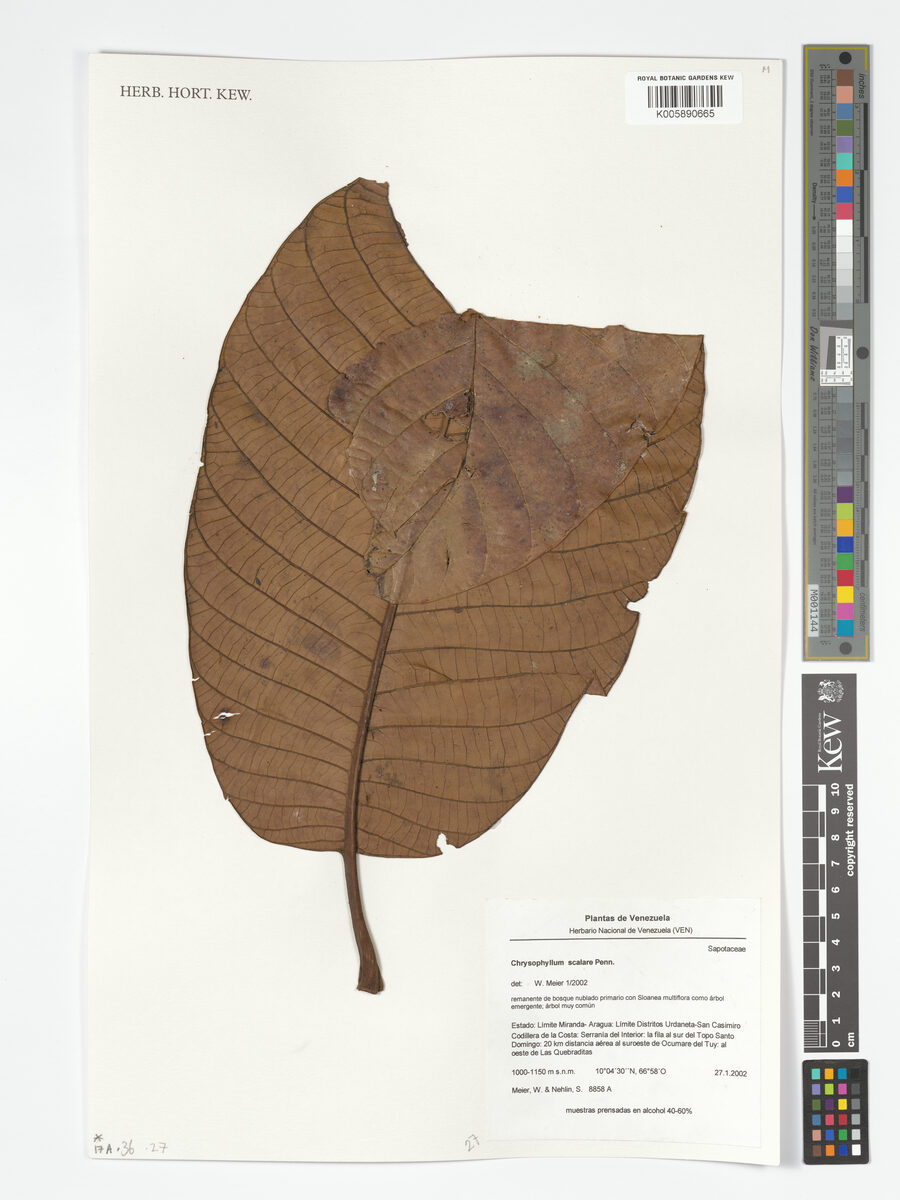
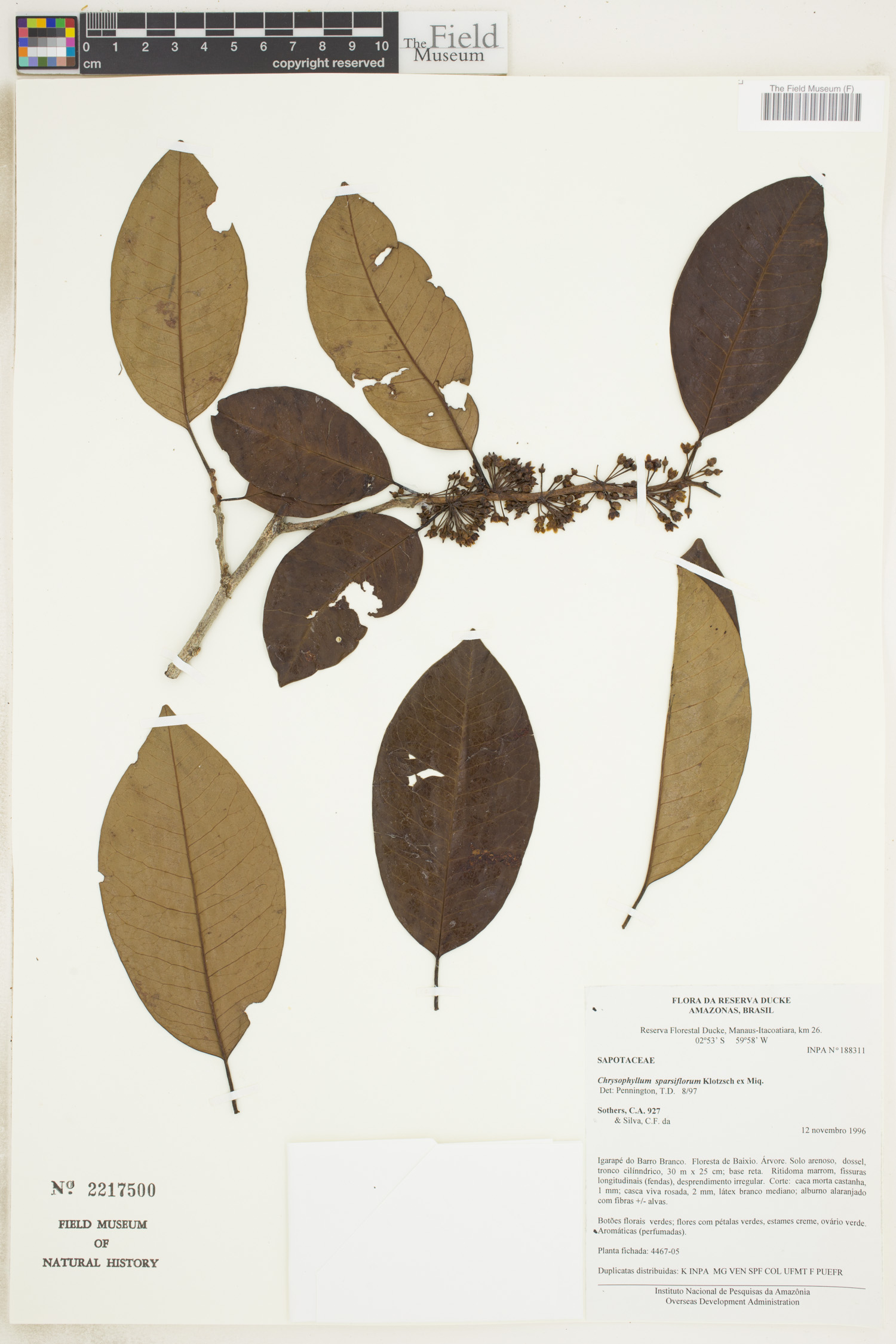
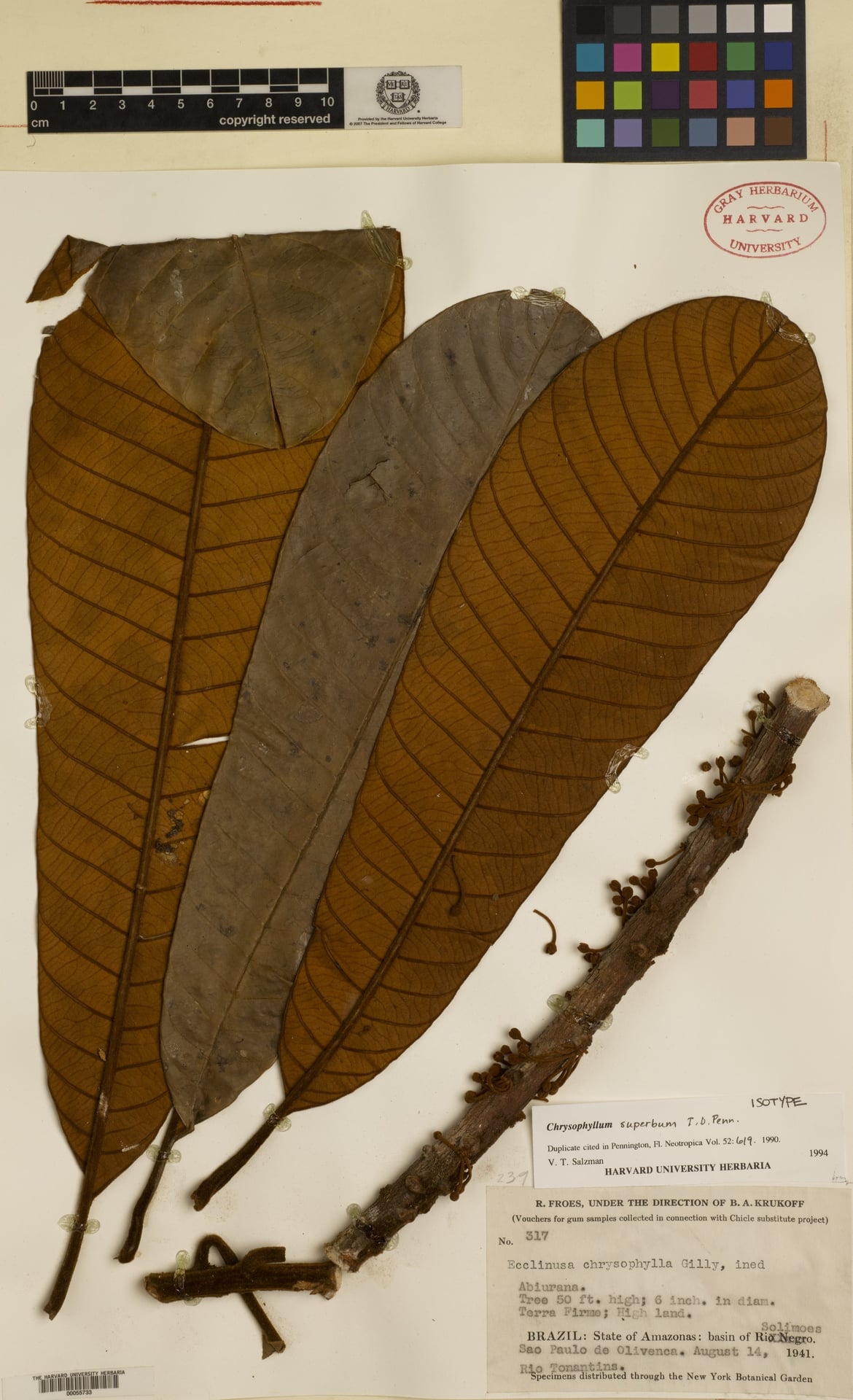
A tree. It grows 25-35 m high. It can have short buttresses 0.5 m high. The bark is dark grey and almost black. It is deeply cracked. The young shoots are slightly rough. The leaves are 6-20 cm long by 2-7.3 cm wide. They are usually rounded and sword shaped. There are 15-25 pairs of secondary veins. The leaf stalk is 1-2.5 cm long. Trees shed their leaves for a short period of time where there are seasonal climates. The flowers occur as 2-5 together on branches from the same point. They are rough skinned and pale brown. The flower stalks are 0.6-1.7 cm long. The fruit are 2.5-3.5 cm long by 2.5-4.8 wide. They are rounded and flattened. There are 2-5 seeds. They are 1.5-2.5 cm long. They are flattened.
Edible Uses
The fruit is eaten raw. The latex is collected by cutting angled slits in the bark and boiling the sap down into blocks for use as chewing gum.
Traditional Uses
The fruit are eaten. The latex is collected by cutting a slit in the bark at an angle then collecting the sap that is used as chewing gum. The sap is boiled down into blocks.
Distribution
A tropical plant. It grows in places with a seasonally dry climate. In Central America it grows from sea level to 900 m altitude.
Where It Grows
Belize, Central America, Colombia, Costa Rica, El Salvador, Guatemala, Honduras, Mexico, Nicaragua, North America, Panama, South America,
Other Uses
Chicle gum is obtained from oblique cuts or slashes made in the trunk of the tree during the rainy months. From these cuts there issues a milky latex which is coagulated by heat, and is then formed into solid blocks for export. The tree yields a considerable quantity of latex, which is said to be difficult to coagulate, but is used as an adulterant of sapote gum (Manilkara zapote). These uses are as follows:- The gum is used in transmission belts, dental surgery, and as a substitute for gutta-percha, a coagulum of the latex of Palaquium spp. The heartwood is reddish-brown; it is distinctly demarcated from the yellowish or cream-coloured sapwood. It is used for railroad ties, house building, and other purposes.
Notes
There are about 75 Manilkara species.
Synonyms
Also Known As
Chicle balata, Chicle macho, Chicozapote, Nispero, Sapodilla macho, Sculu-jaca, Shenc, Zapote chico
References (13)
- Blake, S. F., Native Names and Uses of some Plants of Eastern Guatemala and Honduras. Contributions from the National Herbarium. p 87 (As Achras chicle)
- Chizmar Fernandez, C., et al, 2009, Plantas comestibles de Centroamerica. Instituto de Biodiversidad, Costa Rica. p 289
- Grandtner, M. M., 2008, World Dictionary of Trees. Wood and Forest Science Department. Laval University, Quebec, Qc Canada. (Internet database http://www.wdt.qc.ca)
- Grandtner, M. M. & Chevrette, J., 2013, Dictionary of Trees, Volume 2: South America: Nomenclature, Taxonomy and Ecology. Academic Press p 380
- Kermath, B. M., et al, 2014, Food Plants in the Americas: A survey of the domesticated, cultivated and wild plants used for Human food in North, Central and South America and the Caribbean. On line draft. p 517
Show all 13 references Hide references
- Pilz, G. E., 1981, Sapotaceae of Panama. Annals of Missouri Botanical Garden. Vol. 68. No. 1 p 180
- Pennington, T.D., 1990, Sapotaceae in Flora Neotropica Monograph 52. New York Botanical Gardens. p 70
- Piedra-Malagón, E. M., et al, 2022, Edible native plants of the Gulf of Mexico Province. Biodiversity Data Journal 10: e80565 p 29
- Roa, J. A. G. & Boada, D. S. G., 2018, Fundación para el Fortalecimiento de la Fruticultura y Plantas Alimenticias no Convencionales en Colombia.
- Trop. Woods 73:14. 1943
- van Wyk, B., 2005, Food Plants of the World. An illustrated guide. Timber press. p 242
- World Checklist of Useful Plant Species 2020. Royal Botanic Gardens, Kew
- Zuchowski W., 2007, Tropical Plants of Costa Rica. A Zona Tropical Publication, Comstock Publishing. p 278