Agaricus macrosporus
Moller & Schaff.) Pilat
Albert's mushroom
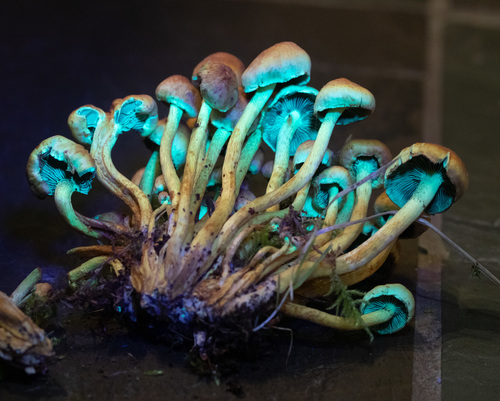
Wikipedia· cc-by-sa
Wikimedia Commons - Agaricus_alberti.JPG
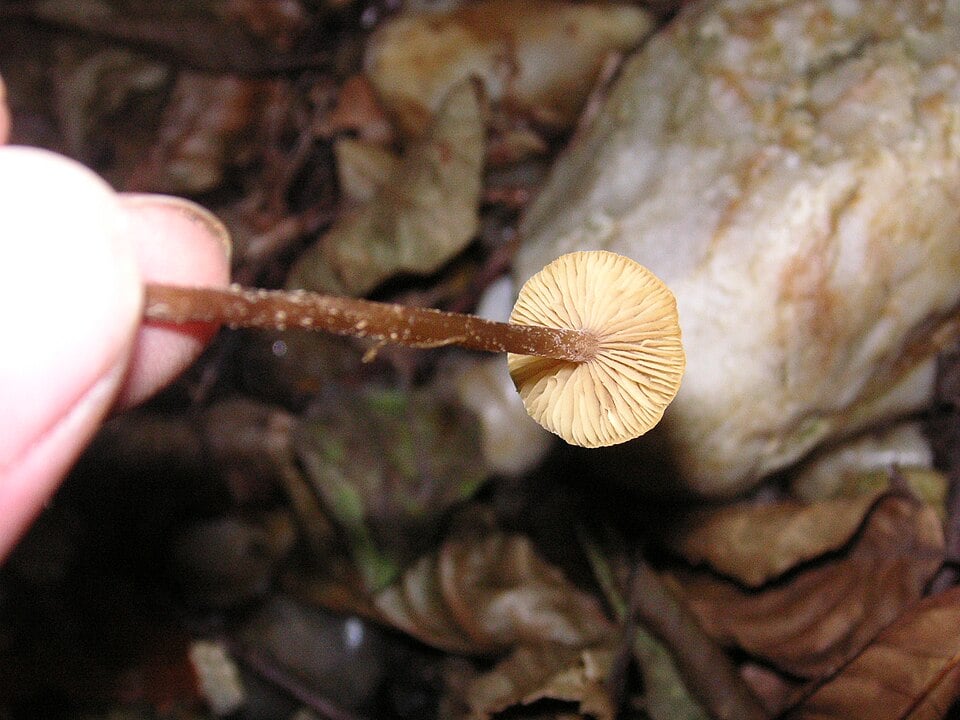
iNaturalist· cc-by-nc
(c) Randall Jiménez, some rights reserved (CC BY-NC)
iNaturalist· cc-by-nc
(c) Randall Jiménez, some rights reserved (CC BY-NC)
Description
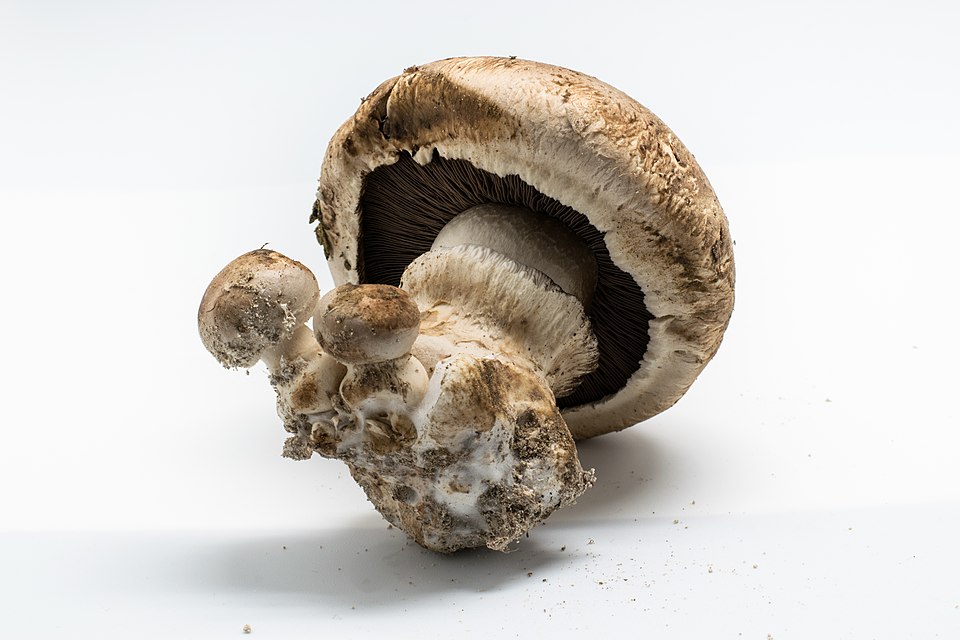
A large mushroom with a hemispherical white cap that flattens with age to 25 cm diameter, becoming yellowish or tan. The thick flesh is white with an aniseed smell and turns orange when cut, with pinkish-grey gills that brown with age and a strong, thick stem bearing a broad ring. It grows in association with trees, especially spruce.
Edible Uses
The mushroom flesh is eaten and has a mild taste.
Known Hazards
Can be confused with dangerous Amanita species such as A. phalloides and A. pantherina.
Distribution
It grows in association with trees especially spruce.
Where It Grows
Asia, Britain, China, Europe, Italy, Jordan, Mediterranean, Middle East,
Notes
There are about 300 Agaricus species.
Synonyms
Also Known As
Dabaogu
References (5)
- Cocchi, L. et al, 2006, Heavy metals in edible mushrooms in Italy. Food Chemistry 98: 277-284
- Dabbour, I. R. & Takruri, H. R., 2002, Protein quality of four types of edible mushrooms found in Jordan. Plant Foods for Human Nutrition 57:1-11
- Jordan, P., 2000, The Mushroom Guide and Identifier, Hermes House, p 32
- Kaufmann, B. et al, 1999, The Great Encyclopedia of Mushrooms. Konemann. p 161 (As Agaricus albertii)
- www.plantnames.unimelb.edu.au