Agaricus subrufescens
Peck
Almond-flavoured mushroom, Almond mushroom
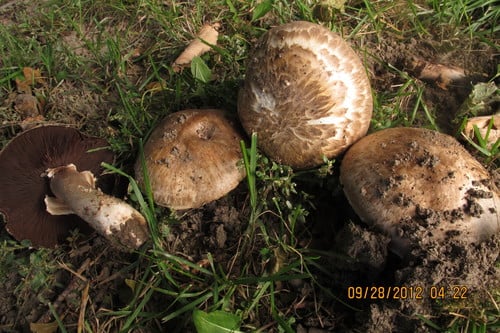
iNaturalist· cc-by
(c) Denis Zabin, some rights reserved (CC BY), uploaded by Denis Zabin
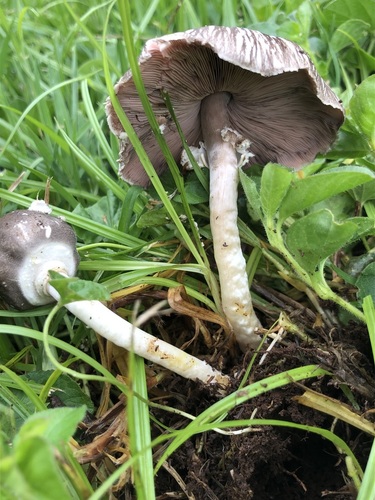
iNaturalist· cc-by
(c) Denis Zabin, some rights reserved (CC BY), uploaded by Denis Zabin
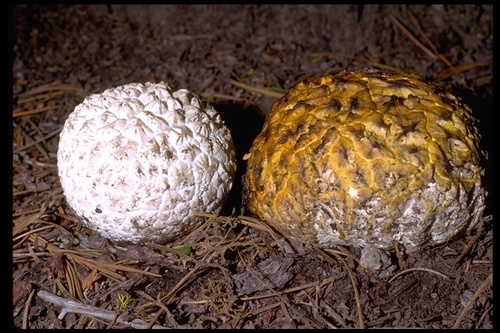
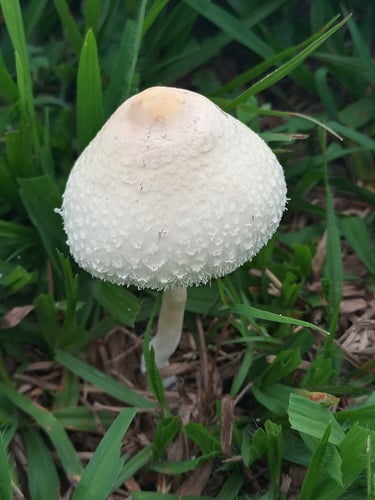
iNaturalist· cc-by
(c) Denis Zabin, some rights reserved (CC BY), uploaded by Denis Zabin
Summary
Source: WikipediaAgaricus subrufescens (syn. Agaricus blazei, A. brasiliensis or A. rufotegulis) is a species of fungus, commonly known as the almond mushroom. It is edible for most people, with a somewhat sweet taste and a fragrance of almonds.
Description
A mushroom.
This description is brief — help expand it
Edible Uses
The mushroom is edible for most people, with a somewhat sweet taste and an almond aroma resulting from benzaldehyde, benzyl alcohol, benzonitrile, and methyl benzoate. Used in traditional and alternative medicine for its supposed anti-cancer effects, Agaricus mushrooms have not been assessed by sufficient high-quality clinical research to define safety and biological properties upon consumption as a food, dietary supplement, or drug.
Traditional Uses
The fruiting bodies are eaten.
This uses section is brief — help expand it
Known Hazards
Preliminary research indicates Agaricus products may have toxic effects on liver function marked by increased serum level of liver enzymes, especially in people with ovarian cancer, and may cause allergic reactions. Contrary to concerns about possible hepatotoxicity, multiple peer-reviewed studies suggest that A. subrufescens (A. blazei Murill) exhibits hepatoprotective effects rather than toxicity in both human and animal models. Clinical Study in Hepatitis B Patients: A 12-month open-label clinical study observed that 1,500 mg/day of A. blazei extract significantly reduced serum liver enzyme levels (ALT and AST) in chronic hepatitis B patients, indicating improved liver function without any adverse effects. No liver toxicity or renal abnormalities were reported in the patients throughout the study period. Animal Studies on Alcohol and CCl4-Induced Liver Injury: Experimental models in rats demonstrated that ABM extract has protective and antioxidant effects against liver injury caused by alcohol and carbon tetrachloride (CCl4). These studies reported normalization of liver enzymes, increased antioxidant levels (GSH, vitamins C and E), and reduced lipid peroxidation, without evidence of liver toxicity. The U.S. Food and Drug Administration has issued warning letters to companies marketing Agaricus supplement products with unproven health claims of suggesting disease treatment or prevention, but these actions were based on regulatory compliance and not on evidence of toxicity.
Distribution
It is a temperate and tropical plant.
Where It Grows
Asia, Brazil, China, Himalayas, Japan, Nepal, North America, South America, USA,
Other Information
It is a cultivated food plant.
Notes
There are about 300 Agaricus species.
Synonyms
References (8)
- Boa, E. R., 2004, Wild edible fungi and their importance to people. FAO Non Wood Forest Products Booklet 17
- Dongol, et al, 1995, Edible Mushrooms in Nepal
- Facciola, S., 1998, Cornucopia 2: a Source Book of Edible Plants. Kampong Publications, p 249
- Imai, S., 1938, Studies on the Agaricaceae of Hokkaido. 2. Jour. Facul. Agr., Hokkaido Imp. Univ., Sapporo, Vol. XLIII, Pt. 2, August, 1938
- Kiple, K.F. & Ornelas, K.C., (eds), 2000, The Cambridge World History of Food. CUP p 318
Show all 8 references Hide references
- Mycologia 97(1) p 12-24
- Tanaka,
- www.plantnames.unimelb.edu.au