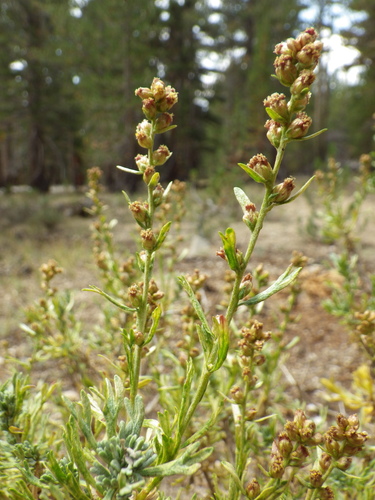
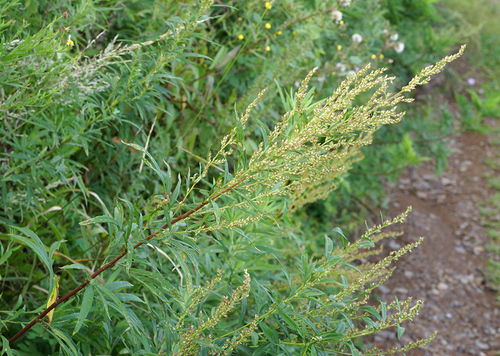
Aster trinervius
Roxb. ex D. Don
Purple aster
iNaturalist· cc-by
(c) Nathan Aaron, some rights reserved (CC BY), uploaded by Nathan Aaron
iNaturalist· cc-by-nc
(c) Kate, some rights reserved (CC BY-NC), uploaded by Kate
iNaturalist· cc-by-nc
(c) Claude Bailey, Jr., some rights reserved (CC BY-NC), uploaded by Claude Bailey, Jr.
iNaturalist· cc-by-nc
(c) T. Abe Lloyd, some rights reserved (CC BY-NC), uploaded by T. Abe Lloyd
iNaturalist· cc-by-nc
(c) T. Abe Lloyd, some rights reserved (CC BY-NC), uploaded by T. Abe Lloyd
iNaturalist· cc-by-nc
(c) T. Abe Lloyd, some rights reserved (CC BY-NC), uploaded by T. Abe Lloyd
Description
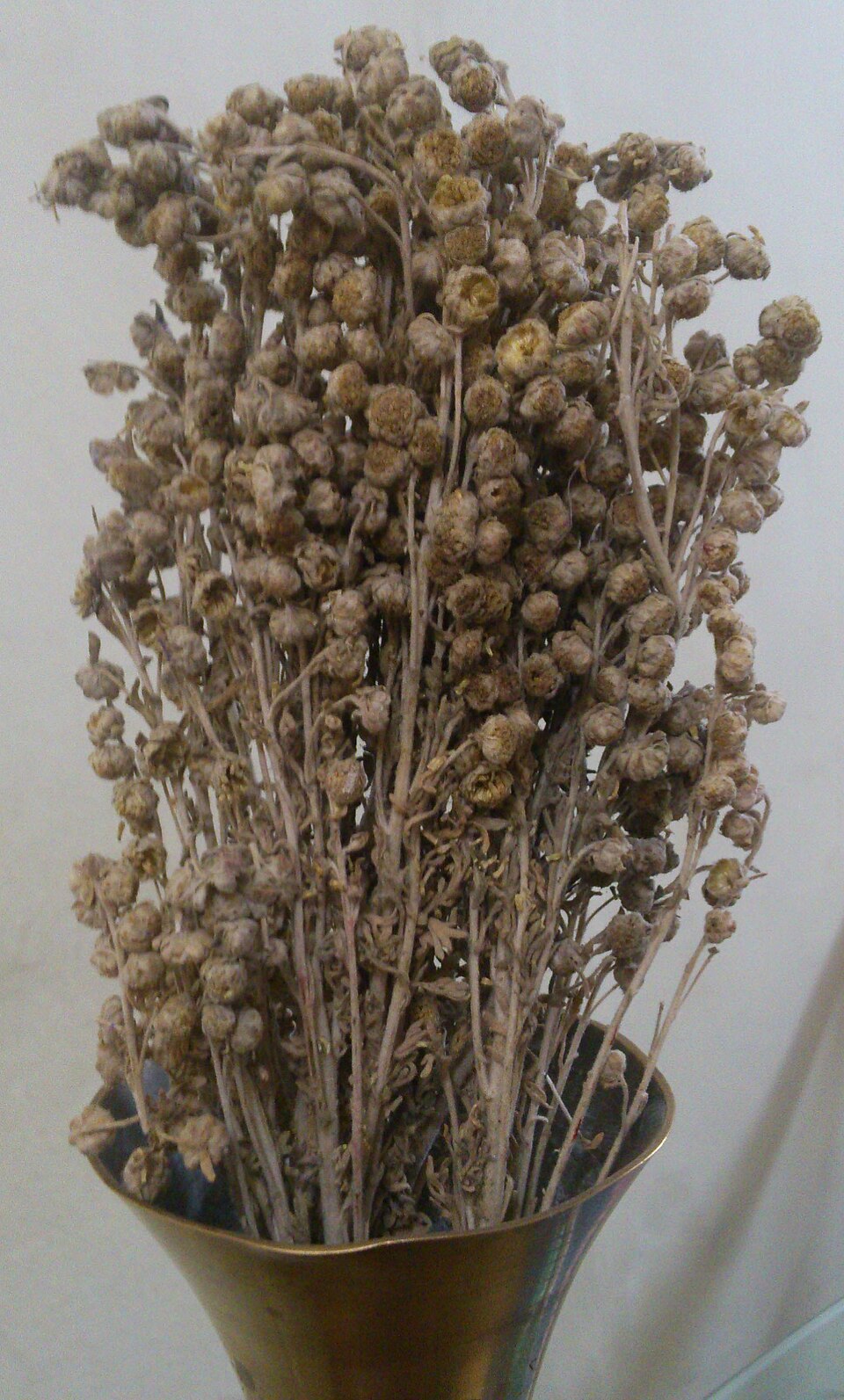
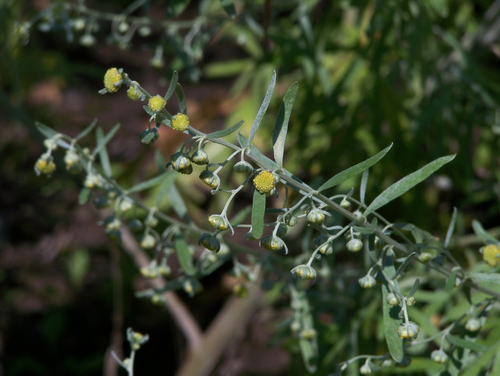
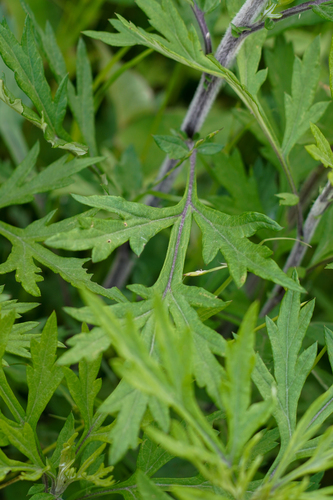
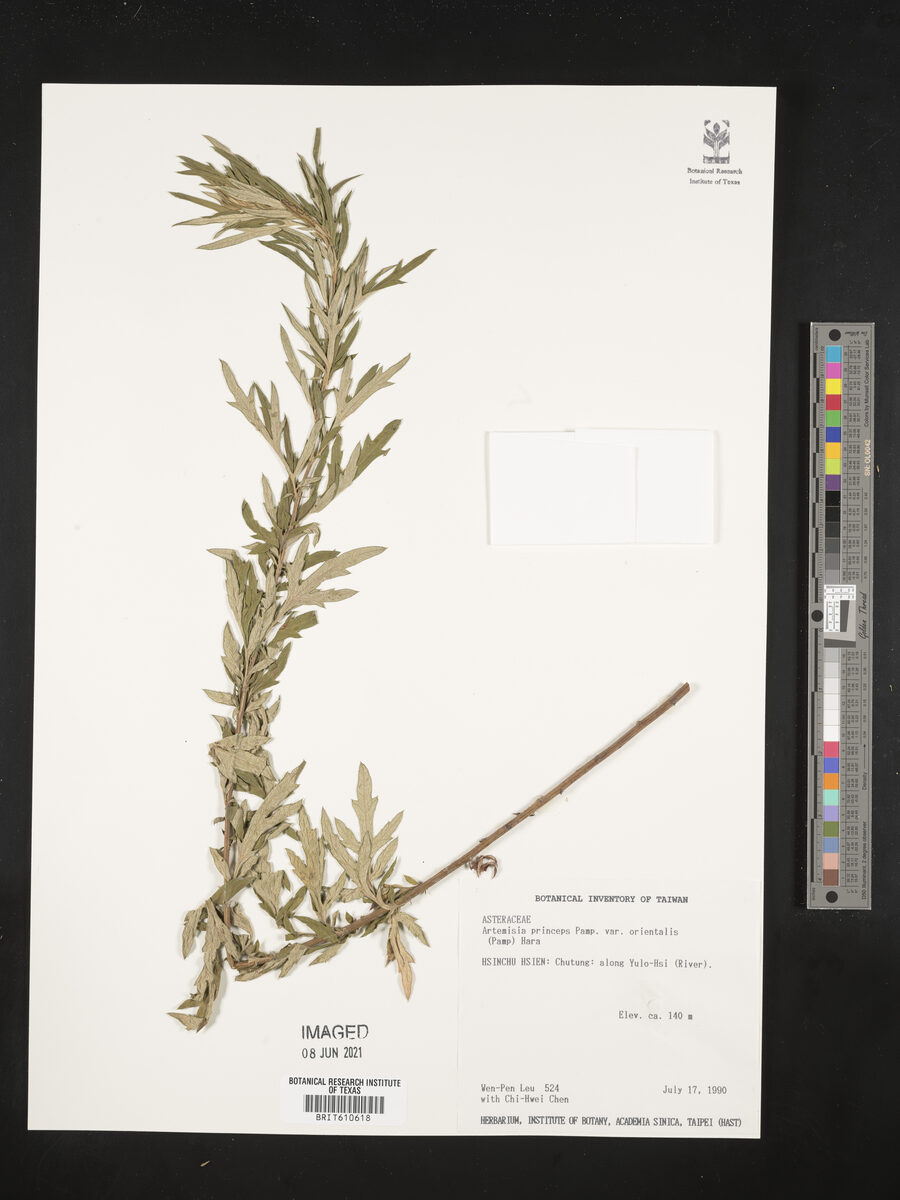
A herb. It keeps growing from year to year. It grows 25-205 cm tall. It has thick rhizomes. The stems are erect and simple. The leaves in the middle of the stem are usually the largest. The leaves are pale green underneath. The leaves are narrowly oval and 1-15 cm long by 1-6 cm wide.
Edible Uses
The leaves are eaten with oil and salt.
Traditional Uses
Leaves eaten with oil and salt.
This uses section is brief — help expand it
Distribution
It is a temperate to tropical plant. It grows on the edges of forests and wet places in valleys between 100-3,400 m above sea level. In Sichuan and Yunnan.
Where It Grows
Asia, Australia, Bhutan, China, Himalayas, India, Indochina, Japan, Korea, Laos, Myanmar, Nepal, Northeastern India, Russia, SE Asia, Taiwan, Thailand, Tibet, Vietnam,
Notes
There are about 250 Aster species. Chemical composition (Shanghai area sample) (leafy shoots): Protein = 3.9%. Fat = 0.19%. Carbohydrate = 5.9%. Ash = 1.81%.
Synonyms
References (4)
- Cundall, P., (ed.), 2004, Gardening Australia: flora: the gardener's bible. ABC Books. p 201
- Prodr. fl. nepal. 177. 1825
- Manandhar, N.P., 2002, Plants and People of Nepal. Timber Press. Portland, Oregon. p 101
- READ