Saurauia punduana
Wall.
Sicho-heinch
iNaturalist· cc-by-nc
(c) ayethirisan, some rights reserved (CC BY-NC)
iNaturalist· cc-by
(c) Subhadra Devi, some rights reserved (CC BY)
Summary
Source: WikipediaSaurauia punduana is a species of plant in the Actinidiaceae family. It is found in Tamenglong district of Manipur.
Description
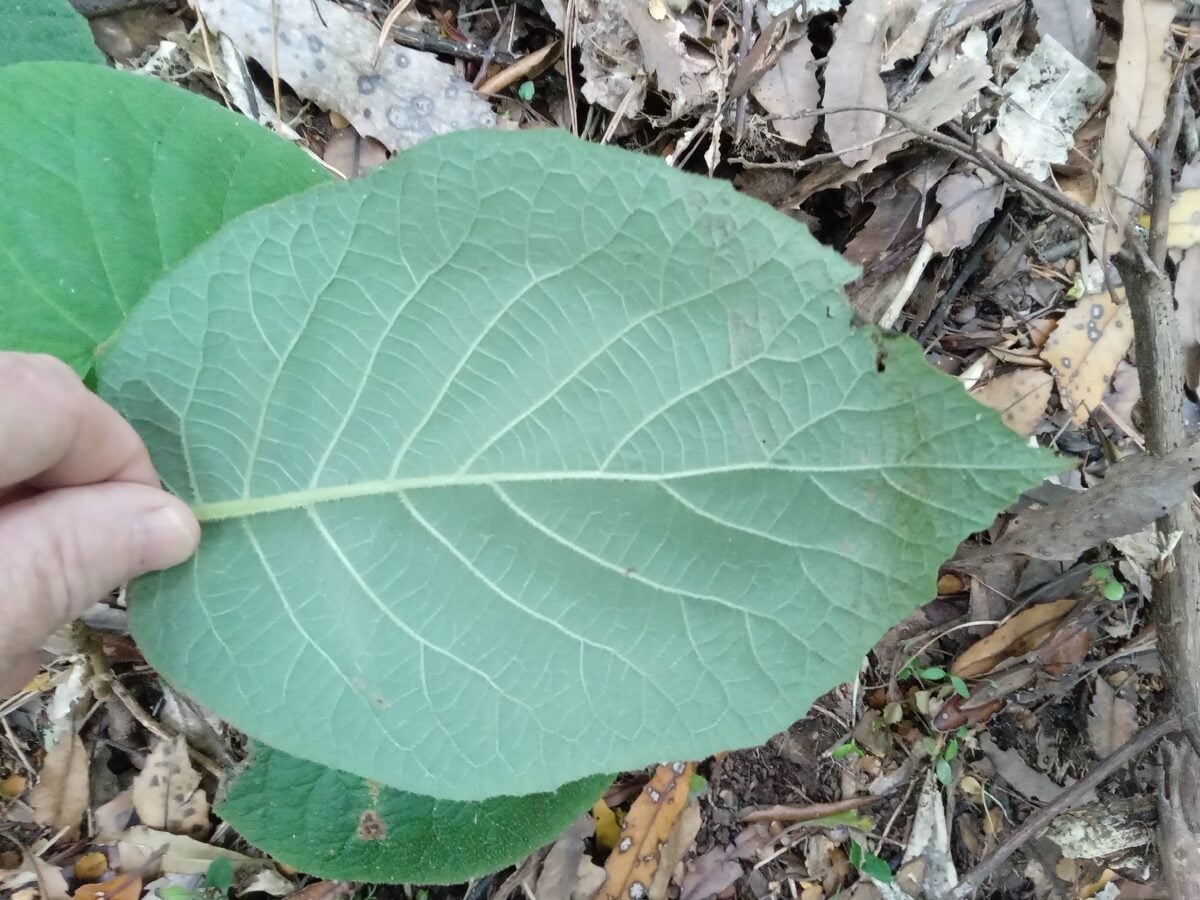
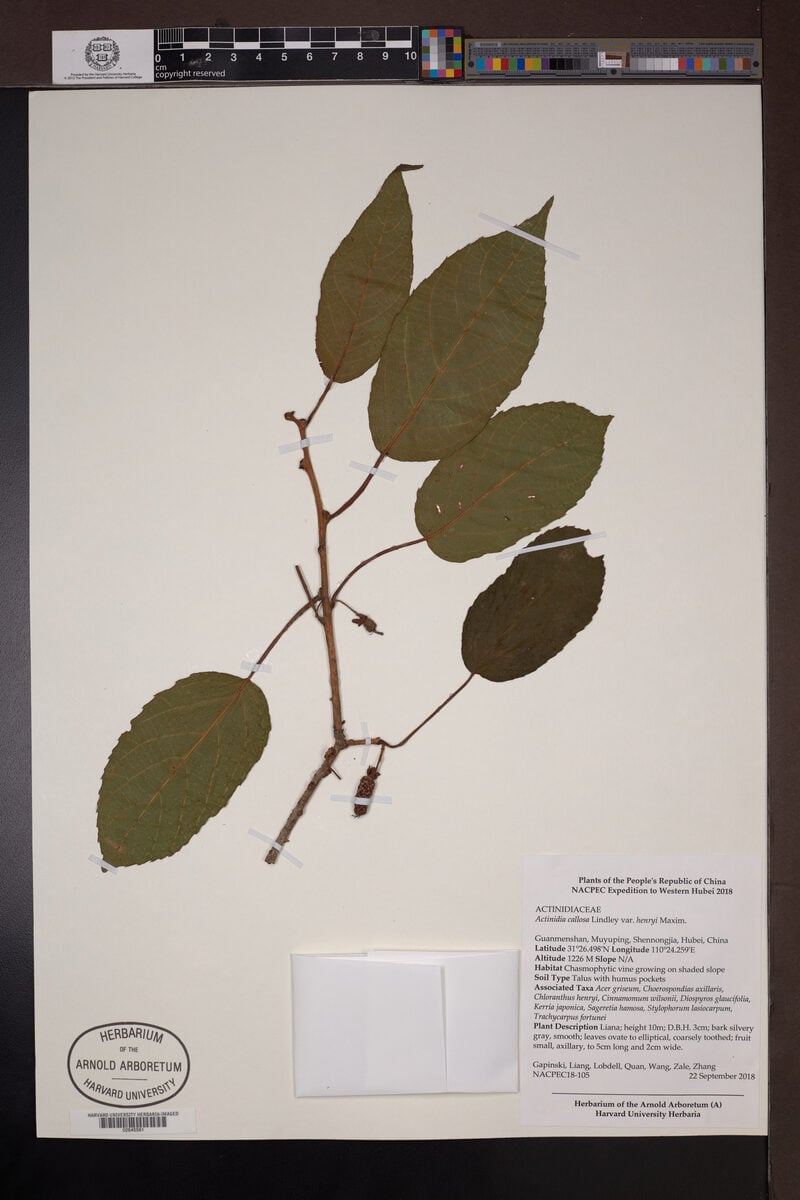
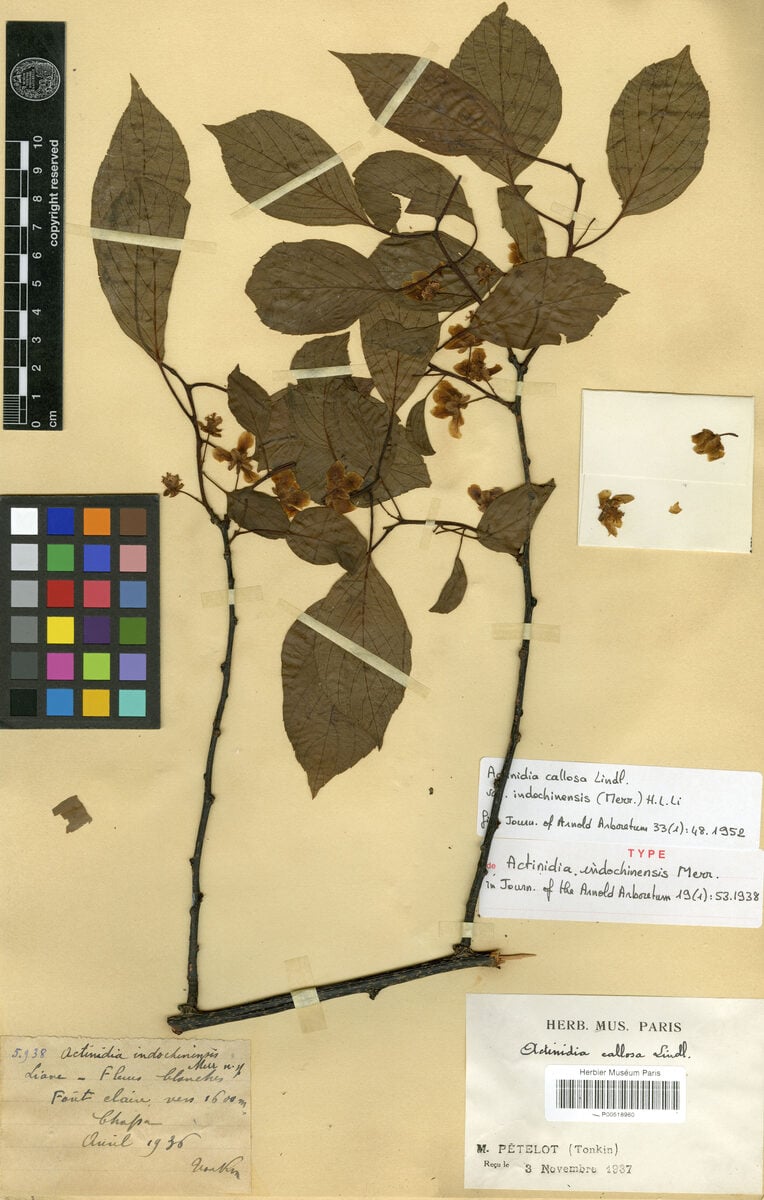
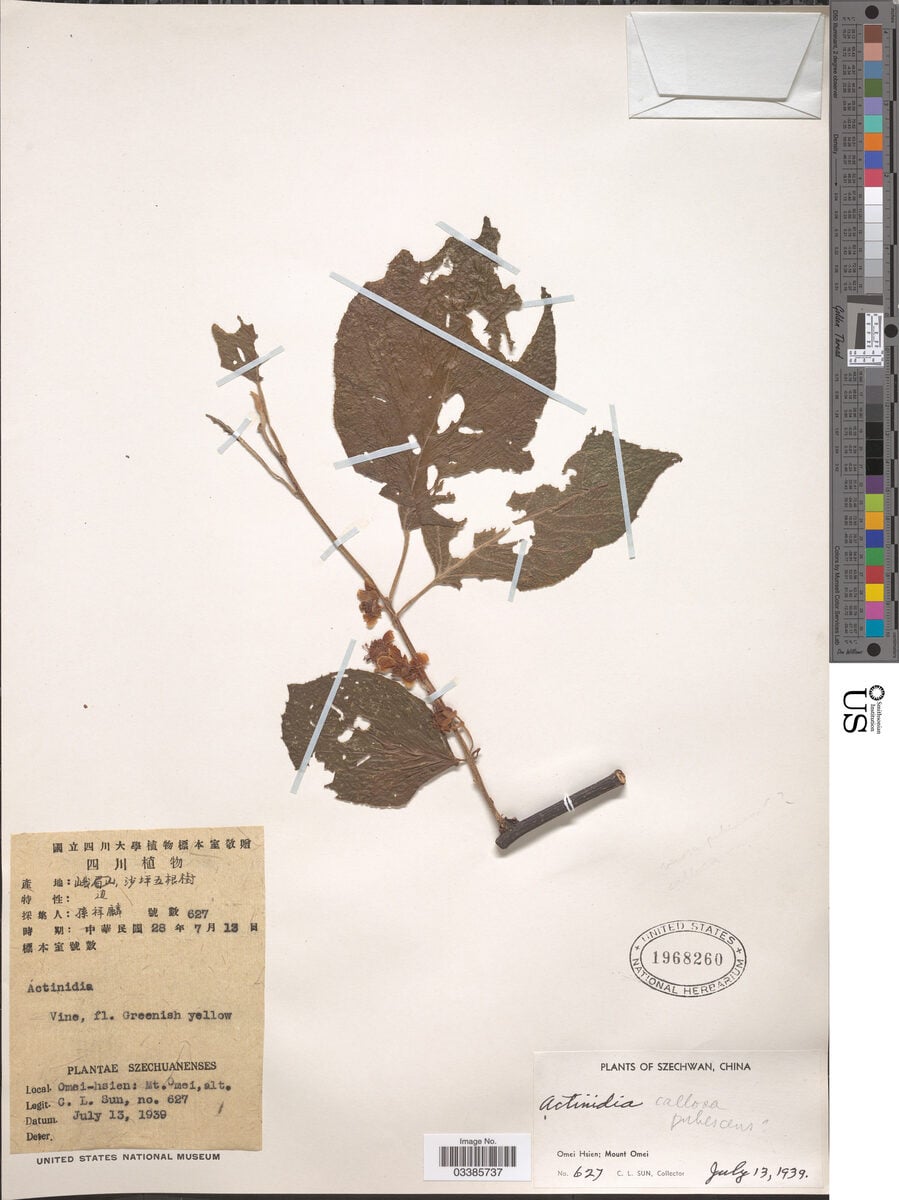
An evergreen tree. It grows 6 m tall. The young branches are hairy. The leaves are narrowly oval and 33 cm long by 11 cm wide. There are brown hairs underneath the leaves. The flowers are small and white but change to pink. The fruit are round berries.
Edible Uses
Ripe fruit are eaten fresh, and flower buds are also consumed.
Traditional Uses
The ripe fruit are eaten.
This uses section is brief — help expand it
Distribution
It is a subtropical plant. In Sikkim it grows between 300-1,200 m above sea level. In Tibet it grows in broad-leaved forests on mountains between 700-1,700 m above sea level.
Where It Grows
Asia, Bhutan, China, Himalayas, India, Myanmar, Northeastern India, SE Asia, Sikkim, Tibet,
Production
In Sikkim fruit are available October to December.
Notes
Also put in the family Saurauiaceae.
Also Known As
A-rong-ma, Gaba, Dieng-ja-la-ngap, Gaba, Hinchi, Maraw, Numraw, Patok, Rata gagon, Safa, Taan, Tiar
References (15)
- Dobriyal, M. J. R. & Dobriyal, R., 2014, Non Wood Forest Produce an Option for Ethnic Food and Nutritional Security in India. Int. J. of Usuf. Mngt. 15(1):17-37
- Gangwar, A. K. & Ramakrishnan, P. S., 1990, Ethnobotanical Notes on Some Tribes of Arunachal Pradesh, Northeastern India. Economic Botany, Vol. 44, No. 1 pp. 94-105
- Kar, A., et al, 2013, Wild Edible Plant Resources used by the Mizos of Mizoram, India. Kathmandu University Journal of Science, Engineering and Technology. Vol. 9, No. 1, July, 2013, 106-126
- Li, S., et al, 2020, Monpa, memory, and change: an ethnobotanical study of plant use in Mêdog County, South-east Tibet, China. Journal of Ethnobiology and Ethnomedicine. (2020) 16:5 p 16
- Patiri, B. & Borah, A., 2007, Wild Edible Plants of Assam. Geethaki Publishers. p 13
Show all 15 references Hide references
- Pl. asiat. rar. 2:40. 1831
- Sarma, H., et al, 2010, Updated Estimates of Wild Edible and Threatened Plants of Assam: A Meta-analysis. International Journal of Botany 6(4): 414-423
- Sawian, J. T., et al, 2007, Wild edible plants of Meghalaya, North-east India. Natural Product Radiance Vol. 6(5): p 421
- Sharma, G., et al, 2016, Agrobiodiversity in the Sikkim Himalaya. International Centre for Integrated Mountain Development, ICIMOD Working Paper 2016/5 p 21
- Singh, H.B., Arora R.K.,1978, Wild edible Plants of India. Indian Council of Agricultural Research, New Delhi. p 72
- Singh, V. B., et al, (Ed.) Horticulture for Sustainable Income and Environmental Protection. Vol. 1 p 219
- Srivastava, R. C., 2010, Traditional knowledge of Nyishi (Daffla) tribe of Arunachal Pradesh. Indian Journal of Traditional Knowledge. 9(1):26-37
- Sundriyal, M., et al, 1998, Wild edibles and other useful plants from the Sikkim Himalaya, India. Oecologia Montana 7:43-54
- Sundriyal, M., et al, 2004, Dietary Use of Wild Plant Resources in the Sikkim Himalaya, India. Economic Botany 58(4) pp 626-638
- Taram, M., et al, 2018, Wild Food Plant Resources of Komkar Adi Tribe of Upper Siang District in Arunachal Pradesh, India. Bulletin of Arunachal Forest Research, Vol. 33(2), 27-35