Ampelocissus barbata
(Wall.) Planch.
wikimedia· pd
Viala et Vermorel (via Wikimedia Commons)
Summary
Source: WikipediaAmpelocissus barbata is a species of liana in the grape family Vitaceae. It was originally described from Sylhet (now in Bangladesh) by Nathaniel Wallich and placed in the genus Vitis. The species was moved to Ampelocissus by Jules Émile Planchon in 1884.
Description
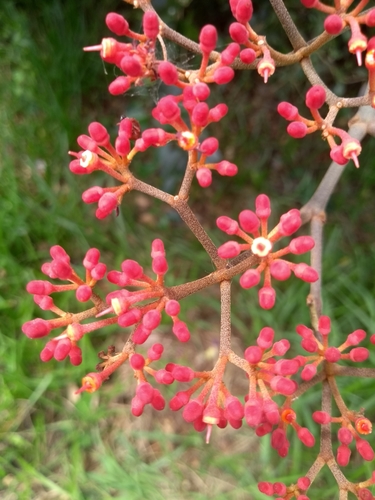
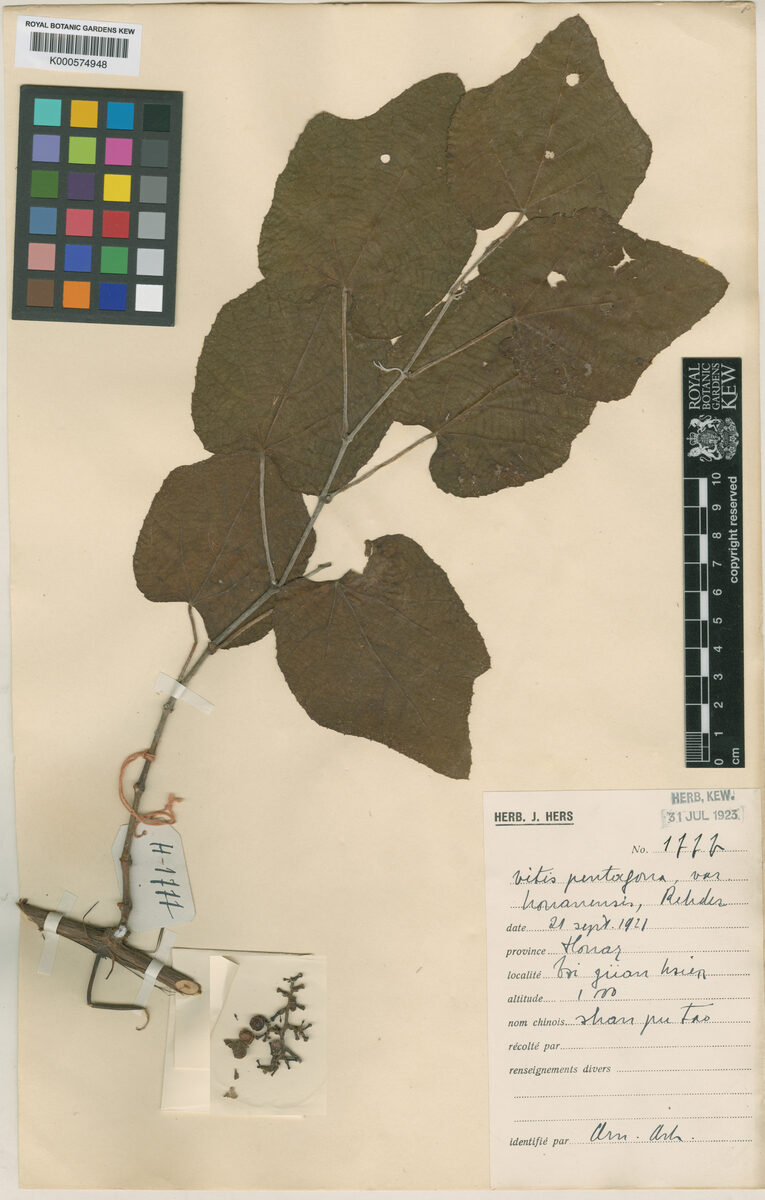
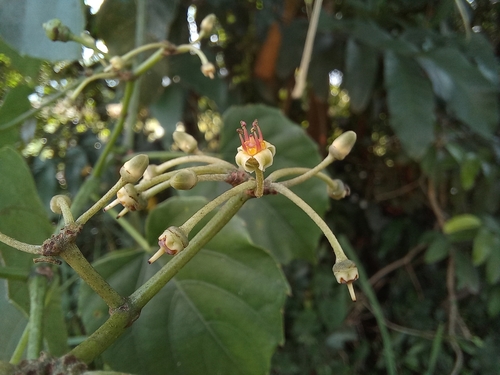
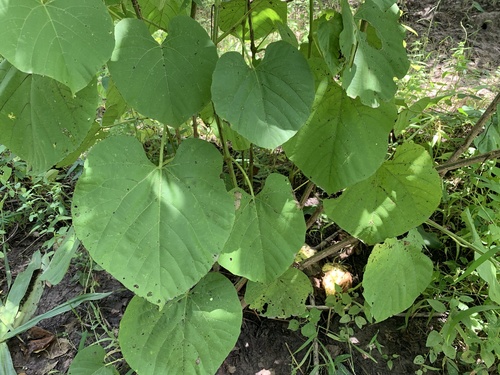
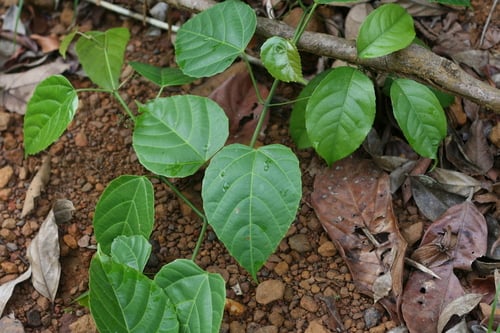
A large climbing vine. The flower stalks have tendrils. The branches have long dark hairs. The leaves are 20-30 cm long and oval or heart shaped. There are teeth along the edge. The flowers are small and without stalks. They are in large open groups. The fruit is 1-2 cm across and black when ripe.
Edible Uses
The ripe fruit are eaten, particularly favored by children.
Distribution
A tropical plant. It grows in forests in the Chittagong hills in Bangladesh. It grows at 1,200 m above sea level in Sikkim.
Where It Grows
Andamans, Asia, Bangladesh, Himalayas, India, Myanmar, Northeastern India, SE Asia, Sikkim,
Other Information
The ripe fruit are especially eaten by children.
Notes
There are about 95 Ampelocissus species.
Synonyms
Also Known As
Chin-baung-hmwe-sok, Dang gyai, Jangli angur, Jarila laha, Jarila-lahari, Kana lak ma, Koissang, Mikrum-rik, Yin-naung-nwe
References (9)
- Ambasta S.P. (Ed.), 2000, The Useful Plants of India. CSIR India. p 36
- Bandyopadhyay, S. et al, 2009, Wild edible plants of Koch Bihar district, West Bengal. Natural Products Radiance 8(1) 64-72
- Dobriyal, M. J. R. & Dobriyal, R., 2014, Non Wood Forest Produce an Option for Ethnic Food and Nutritional Security in India. Int. J. of Usuf. Mngt. 15(1):17-37
- Ghosh, A, 2014, Survey of Ethno-medicinal Climbing plants in Andaman and Nicobar Islands, India. Int. J. of Pharm. Life Sci. 5(7): July, 2014:3671-3677
- Pasha, M. K. & Uddin, S. B., 2019, Minor Edible Fruits of Bangladesh. Bangladesh J. Plant Taxon. 26(2): 299–313
Show all 9 references Hide references
- Savita, et al, 2006, Studies on wild edible plants of ethnic people in east Sikkim. Asian J. of Bio Sci. (2006) Vol. 1 No. 2 : 117-125
- Singh, H.B., Arora R.K.,1978, Wild edible Plants of India. Indian Council of Agricultural Research, New Delhi. p 48
- Singh, V. B., et al, (Ed.) Horticulture for Sustainable Income and Environmental Protection. Vol. 1 p 214
- Wild edible plants of Himachal Pradesh