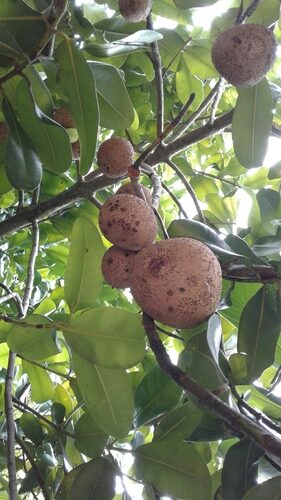
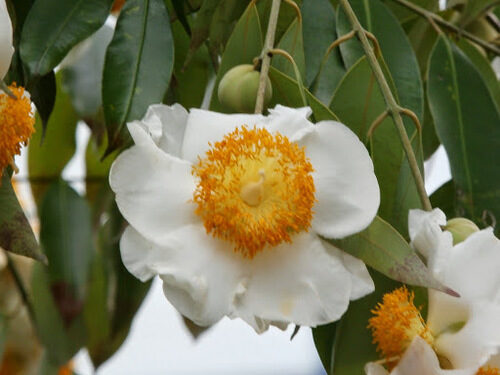
Garcinia lanceifolia
Roxb.
Rupai tekora
wikimedia· cc-by-sa
Wikimedia Commons - Chiring chandan
wikimedia· cc0
CiXeL at English Wikipedia (via Wikimedia Commons)
wikimedia· cc-by-sa
Chiring chandan (via Wikimedia Commons)
Summary
Source: WikipediaGarcinia lanceifolia is an endemic medicinal evergreen plant with edible fruit native to Asia (India, Bangladesh, Myanmar). It has been used by various ethnic communities across North-Eastern India for treatment of dysentery, dyspepsia, and biliousness. It is also used as pickles in various North Eastern Indian cuisines. It is locally known as 'Rupohi Thekera' (ৰূপহী থেকেৰা) or 'Kon Thekera' (কণ- থেকেৰা) in Assamese, Chengkek in Mizo, Thisuru in Garo, Dieng-soh-jadu in Khasi and Khanada.
Description
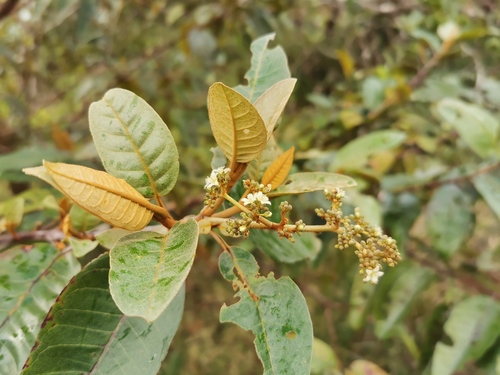
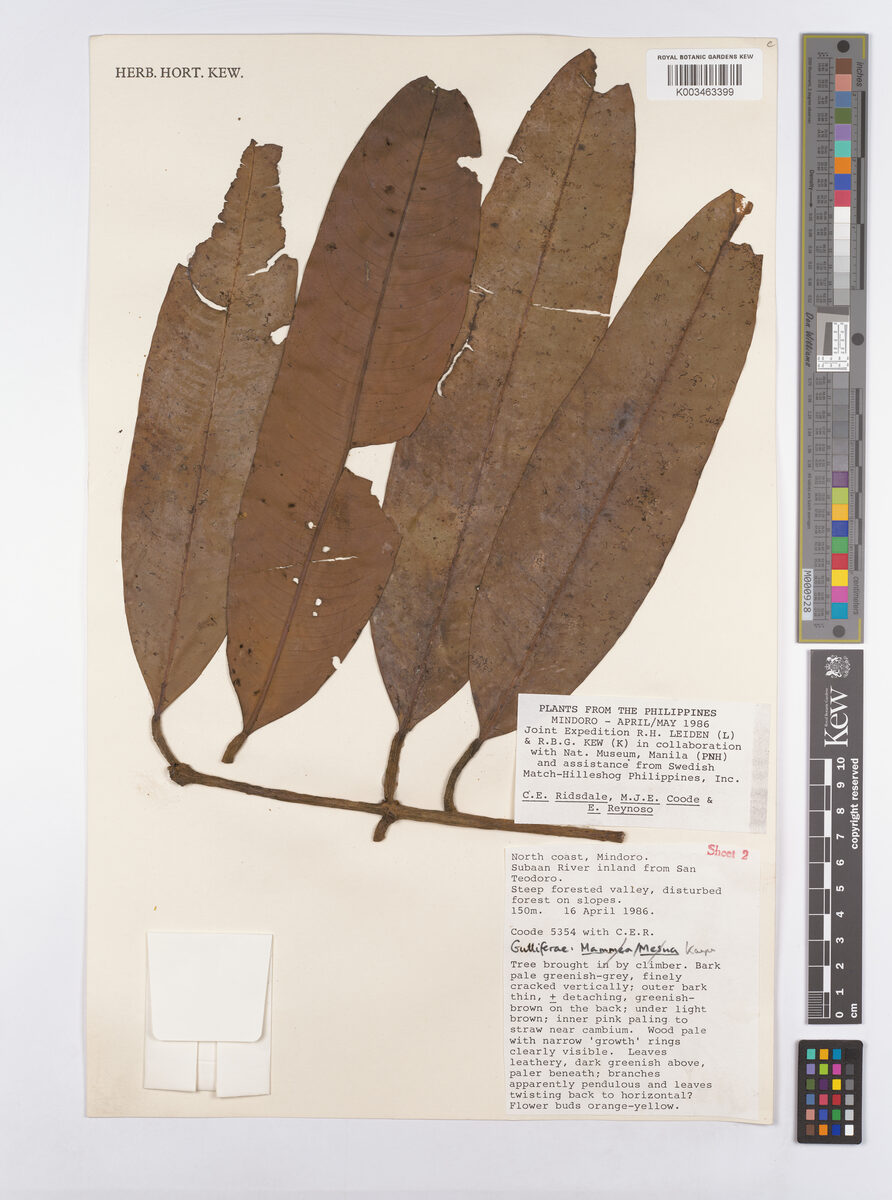
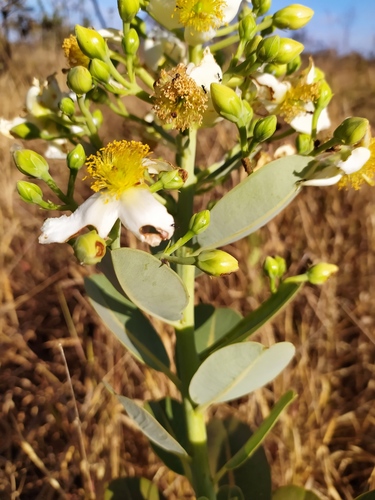
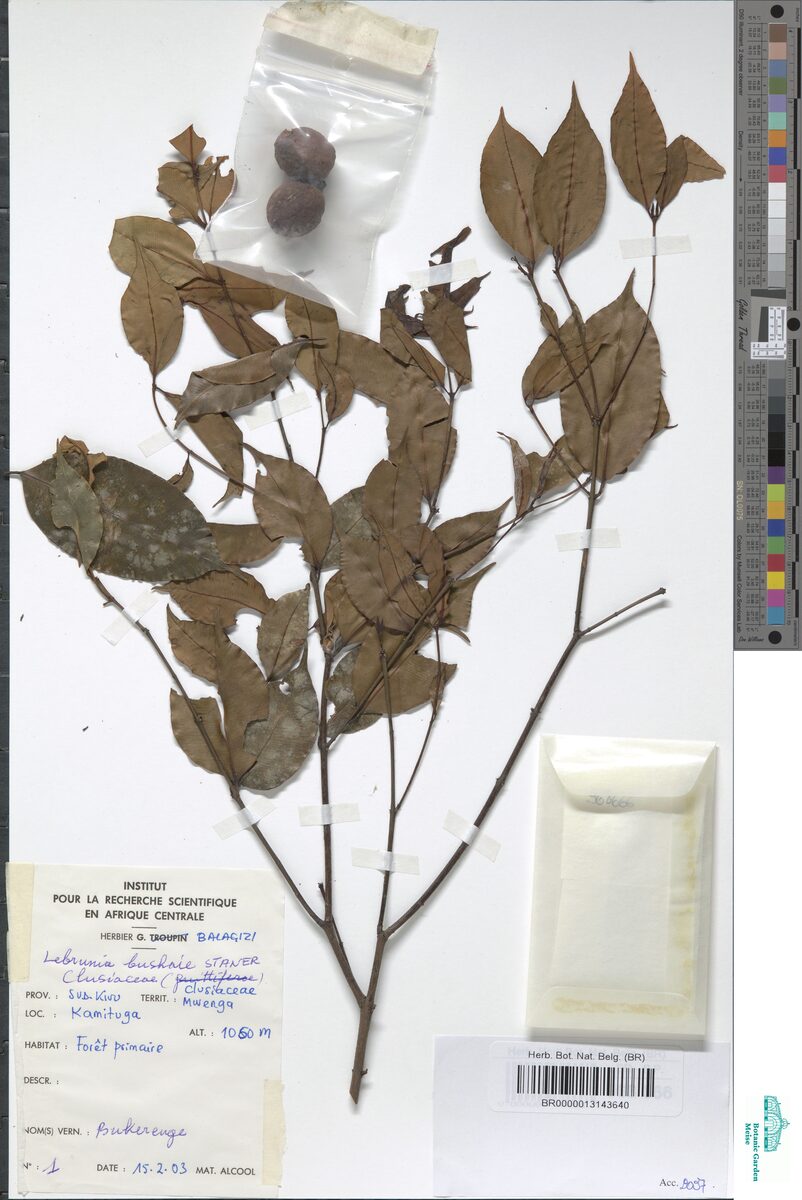
A shrub. It grows 4 m high. The leaves are sword shaped and shiny. The flowers are red and occur singly at the ends of branches. The fruit have 6-8 seeds. The fruit are oval and smooth and red. They are 2 cm across.
Edible Uses
The ripe fruit are eaten raw, made into jelly, or used with fish curry. The fruit can also be dried. Young leaves are cooked and eaten to add a sour taste to dishes.
Traditional Uses
The fruit make good jelly. The ripe fruit are eaten raw. They can be dried. They are also used with fish curry. The young leaves are cooked then eaten. They are used to add a sour taste.
Distribution
It is a subtropical plant. It usually grows under the dense shade of other trees.
Where It Grows
Asia, Bangladesh, Himalayas, India, Indochina, Myanmar, Northeastern India, SE Asia, Thailand,
Production
In NE India plants flower and fruit February to July.
Notes
There are about 300 Garcinia species.
Synonyms
Also Known As
Bon kao, Cheng-kek, Dieng-soh-jadu, Khaum, Npri-nprai, Pelte, Pranso, Rupoki tekera, Saukchin, Sushru, Thisuru
References (21)
- Ambasta, S.P. (Ed.), 2000, The Useful Plants of India. CSIR India. p 230
- Chaudhury, R.H.N., et al, 1980, Ethnobotanical Uses of Herbaria - 2. J. Econ, Tax Bot Vol 1 p 167
- Dobriyal, M. J. R. & Dobriyal, R., 2014, Non Wood Forest Produce an Option for Ethnic Food and Nutritional Security in India. Int. J. of Usuf. Mngt. 15(1):17-37
- Ethnobotany of Karbis. Chapter 4 in p 104
- Hazarika, B. et al. (2020). An overview of the unexplored underutilized fruit crops of Assam, India. Journal of Applied and Natural Science, 12(3): 442 - 453.
Show all 21 references Hide references
- Hedrick, U.P., 1919, (Ed.), Sturtevant's edible plants of the world. p 323
- Jeeva, S., 2009, Horticultural potential of wild edible fruits used by the Khasi tribes of Meghalaya. Journal or Horticulture and Forestry Vol. 1(9) pp. 182-192
- Kar, A., et al, 2013, Wild Edible Plant Resources used by the Mizos of Mizoram, India. Kathmandu University Journal of Science, Engineering and Technology. Vol. 9, No. 1, July, 2013, 106-126
- Lalfakzuala, R., 2007, Ethnobotanical usages of plants in western Mizoram. Indian Journal of Traditional Knowledge. Vol 6(3) pp 480-493
- Majumdar, K and Datta, N., 2009, Traditional wild edible fruits for the forest dwellers of Tripura, India. Pleione 3(2) 167-178
- Medhi, P., Sarma, A and Borthakur, S. K., 2014, Wild edible plants from the Dima Hasao district of Assam, India. Pleione 8(1): 133-148
- Pasha, M. K. & Uddin, S. B., 2019, Minor Edible Fruits of Bangladesh. Bangladesh J. Plant Taxon. 26(2): 299–313
- Patiri, B. & Borah, A., 2007, Wild Edible Plants of Assam. Geethaki Publishers. p 10
- Pegu, R., et al, 2013, Ethnobotanical study of Wild Edible Plants in Poba Reserved Forest, Assam, India. Research Journal of Agriculture and Forestry Sciences 1(3):1-10
- Phangchopi, U., et al, 2015, Diversity of wild edible plants in Marat Longri Wildlife Sanctuary, Assam. Indian Journal of Natural Products and Resources Vol. 6(4), December 2015 pp. 305-313
- Sarma, H., et al, 2010, Updated Estimates of Wild Edible and Threatened Plants of Assam: A Meta-analysis. International Journal of Botany 6(4): 414-423
- Sawian, J. T., et al, 2007, Wild edible plants of Meghalaya, North-east India. Natural Product Radiance Vol. 6(5): p 417
- Singh, H.B., Arora R.K.,1978, Wild edible Plants of India. Indian Council of Agricultural Research, New Delhi. p 26, 61
- Singh, V. B., et al, (Ed.) Horticulture for Sustainable Income and Environmental Protection. Vol. 1 p 217
- Suksri, S., et al, 2005, Ethnobotany in Bung Khong Long Non-Hunting Area, Northeast Thailand. Kasetsart J., (Nat. Sci) 39: 519-533 (As Garcinia gracilis)
- Teron, R. & Borthakur, S. K., 2016, Edible Medicines: An Exploration of Medicinal Plants in Dietary Practices of Karbi Tribal Population of Assam, Northeast India. In Mondal, N. & Sen, J.(Ed.) Nutrition and Health among tribal populations of India. p 150