Aerva sanguinolenta
(L.) Roxb.
Climbing wool-plant
iNaturalist· cc-by-nc
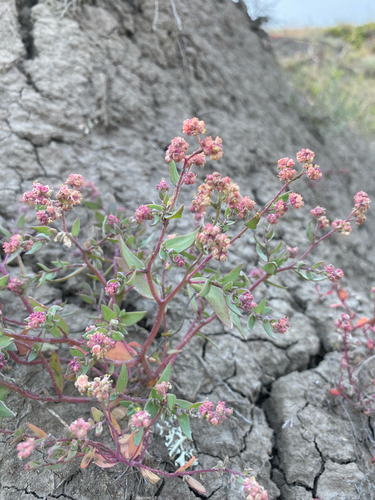
(c) galanhsnu, some rights reserved (CC BY-NC)
iNaturalist· cc-by-nc
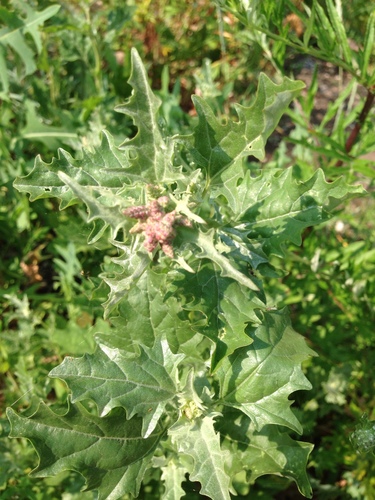
(c) galanhsnu, some rights reserved (CC BY-NC)
iNaturalist· cc-by-nc
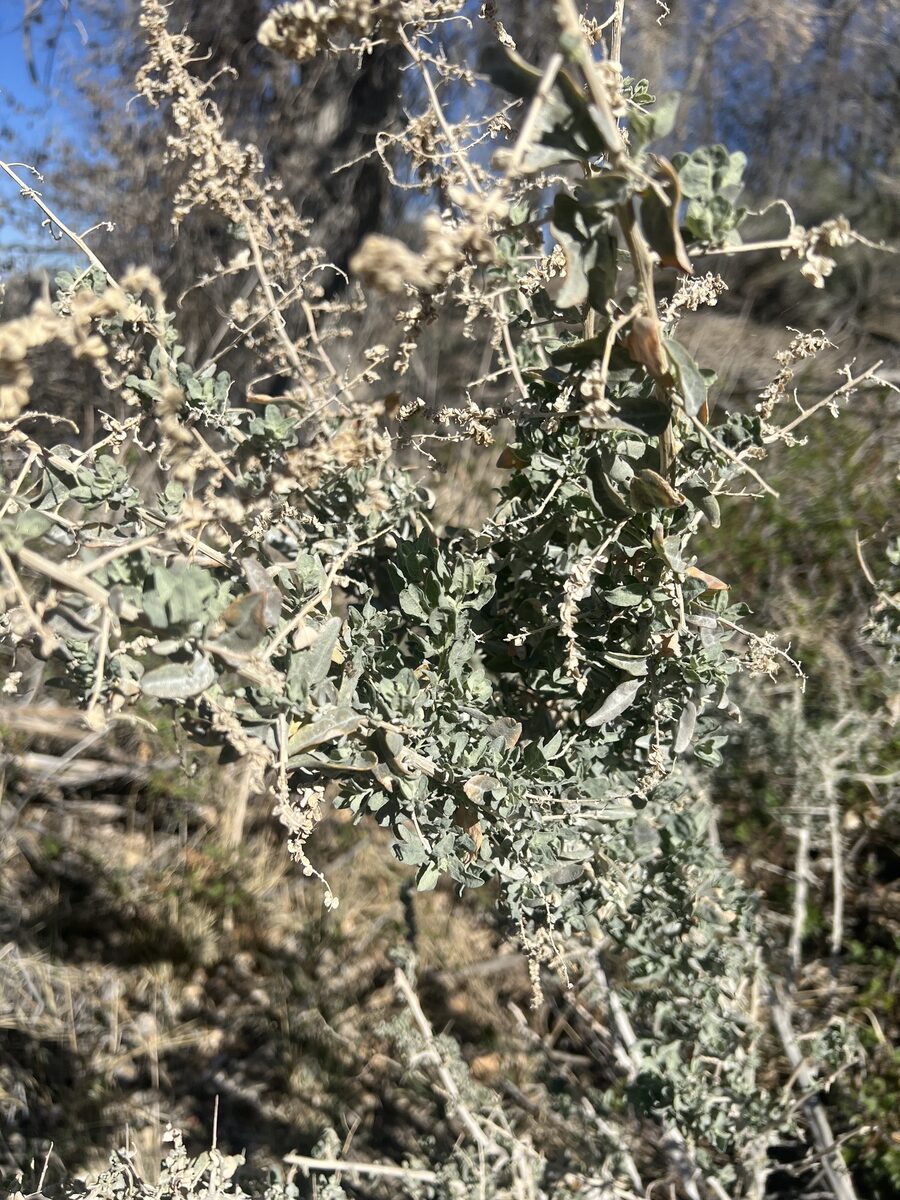
(c) Azhagarraja S, some rights reserved (CC BY-NC)
Description
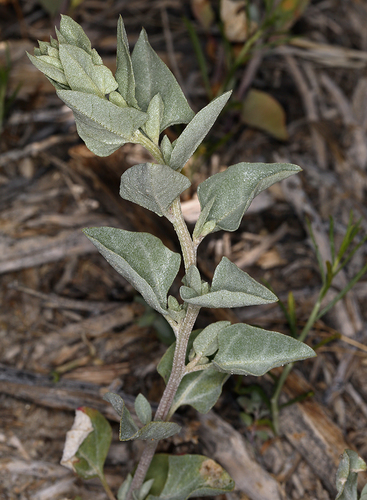
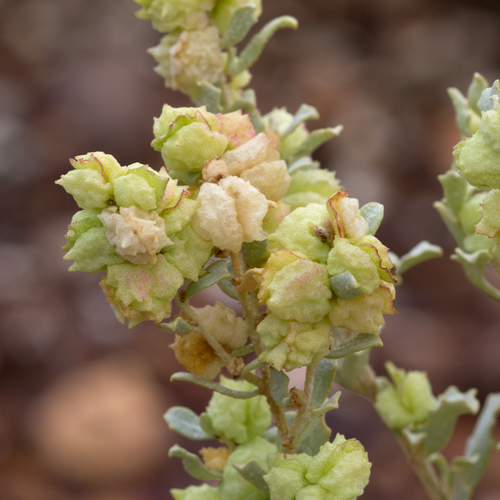
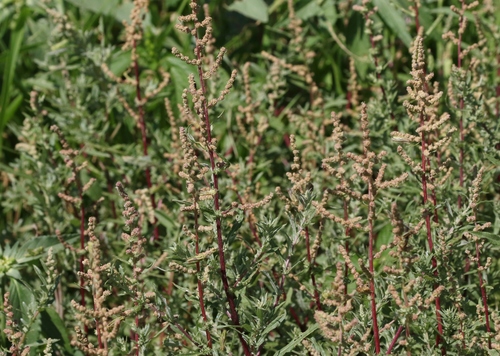
A deciduous herb. It grows 0.4-1 m tall. The stems are weak and straggling. They are rounded and have a channel. They are velvety with white hairs. The leaves have leaf stalks. The leaves are 2.5-10 cm long and 1-5 cm wide. They are oval to sword shaped. They have grey hairs on both surfaces. The flowers are whitish. The fruit is a capsule 1 mm long.
Edible Uses
The leaves are eaten as a pot herb and are used to make a fermenting cake from which liquor is distilled.
Traditional Uses
The leaves are used to make a fermenting cake from which liquor in distilled. The leaves are eaten as a pot herb.
This uses section is brief — help expand it
Medicinal Uses
A decoction of the young branches is used internally in the treatment of conditions such as haematuria and irregular or painful menstruation.
Distribution
A tropical plant. It grows on hillsides and open forests between 1,100-2,300 m above sea level. It grows in dry places in Nepal to about 1400 m altitude.
Where It Grows
Asia, Bangladesh, Bhutan, Cambodia, China, Ecuador, Himalayas, India, Indochina, Indonesia, Laos, Malaysia, Myanmar, Nepal, Northeastern India, Pakistan, Philippines, SE Asia, Sikkim, Taiwan, Thailand, Vietnam,
Cultivation
Plants are grown from seed. They can also be grown from cuttings.
Notes
There are about 10 Aerva species in warmer climates.
Synonyms
Also Known As
Apang, Bai hua xian, Chaya, Mansi ghans, Maovi do, Mauri lupu ara, Mo-kyai-pwin, Naria, Nuriya, Sambang colok, Taw-kyet-mauk
References (10)
- Ambasta S.P. (Ed.), 2000, The Useful Plants of India. CSIR India. p 17
- Bijdr. 547. 1826 (As (L.) Blume)
- Hossain, U. & Rahman, A., 2018, Study and quantitative analysis of wild vegetable floral diversity available in Barisal district, Bangladesh. Asian J. Med. Biol. Res. 2018, 4 (4), 362-371
- Manandhar, N.P., 2002, Plants and People of Nepal. Timber Press. Portland, Oregon. p 75
- Rajkalkshmi, P. et al, 2001, Total carotenoid and beta-carotene contents of forest green leafy vegetables consumed by tribals of south India. Plant Foods for Human Nutrition 56:225-238
Show all 10 references Hide references
- Singh, H.B., Arora R.K.,1978, Wild edible Plants of India. Indian Council of Agricultural Research, New Delhi. p16
- Sukarya, D. G., (Ed.) 2013, 3,500 Plant Species of the Botanic Gardens of Indonesia. LIPI p 1052
- Vartak, V.D. and Kulkarni, D.K., 1987, Monsoon wild leafy vegetables from hilly regions of Pune and neighbouring districts, Maharashtra state. J. Econ. Tax. Bot. Vol. 11 No. 2 pp 331-335 (As Aerva scandens)
- Wild edible plants of Himachal Pradesh
- www.eFloras.org Flora of China