Smeathmannia pubescens
Sol. ex R. Br.
iNaturalist· cc-by-nc
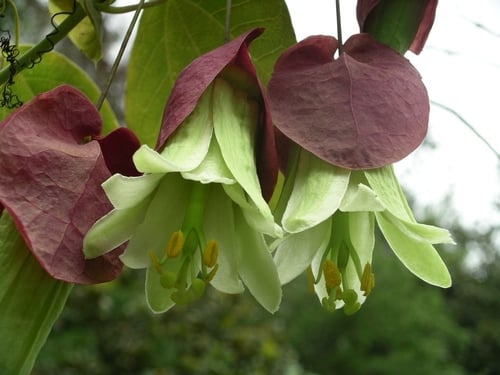
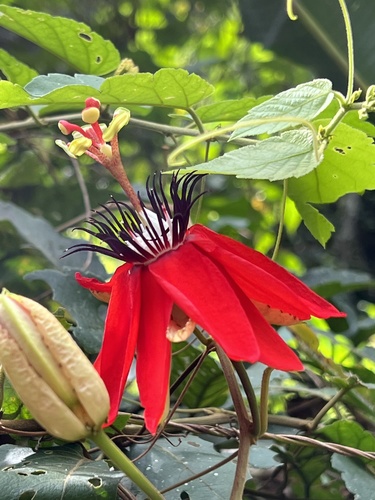
(c) Carel Jongkind, some rights reserved (CC BY-NC), uploaded by Carel Jongkind
iNaturalist· cc-by-nc
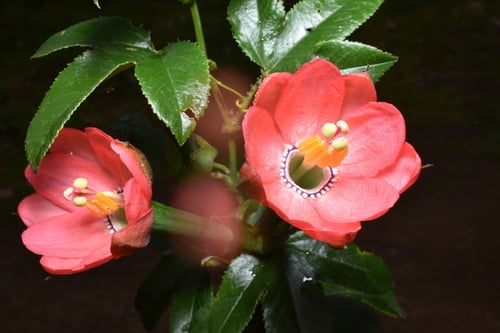
(c) Alex Rebelo, some rights reserved (CC BY-NC)
Description
A shrub or small tree. It grows 10 m high. The trunk is 10 cm across. The flowers are white.
This description is brief — help expand it
Edible Uses
The pulp of the fruits is edible, but astringent. The white or reddish fruit is a leathery, ovoid, three-valved capsule.
Medicinal Uses
A bark decoction is taken to treat dysentery. The inner bark is used as a poultice to treat toothache. The sap from crushed leaves is taken to treat acute enteritis. A mixture of the cyanogenic glycosides epitetraphyllin B (volkenin) and tetraphyllin B (barterioside) has been isolated from a leaf extract.
Distribution
A tropical plant. It grows on the edges of forests in West Africa.
Where It Grows
Africa, Burkina Faso, Ghana, Guinea, Guinée, Guinea-Bissau, Nigeria, Sierra Leone, West Africa,
Propagation
Seed - Cuttings of half-ripe wood.
Other Uses
The reddish wood is hard but too small to be of much service. It is split into sections to produce chew sticks, which are used to maintain dental hygiene The wood is used for fuel.
Also Known As
Borobo, Burobo, Deni bulo, N'baptume, Tokekele, Turunnua
References (4)
- Abbiw, D.K., 1990, Useful Plants of Ghana. West African uses of wild and cultivated plants. Intermediate Technology Publications and the Royal Botanic Gardens, Kew. p 48
- Burkill, H. M., 1985, The useful plants of west tropical Africa, Vol. 4. Kew.
- Dalziel, J. M., 1937, The Useful plants of west tropical Africa. Crown Agents for the Colonies London.
- Peters, C. R., O'Brien, E. M., and Drummond, R.B., 1992, Edible Wild plants of Sub-saharan Africa. Kew. p 159