Canarium littorale
Blume
Shore Kedongdong
iNaturalist· cc-by-nc-nd
(c) loupok, some rights reserved (CC BY-NC-ND)
iNaturalist· cc-by-nc
(c) Muhd Nasry, some rights reserved (CC BY-NC)
iNaturalist· cc-by-nc
(c) Muhd Nasry, some rights reserved (CC BY-NC)
Summary
Source: WikipediaCanarium littorale is a tree found in tropical Asia and is a member of the incense tree family Burseraceae. The specific epithet littorale is from the Latin meaning "of the seashore", referring to its habitat.
Description
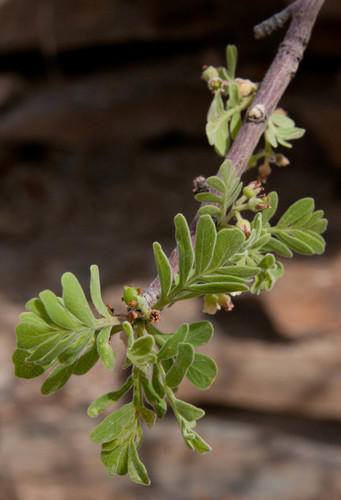
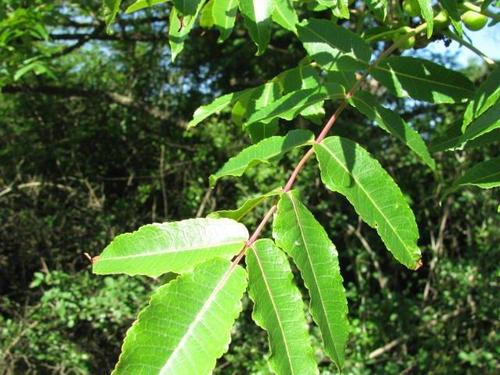
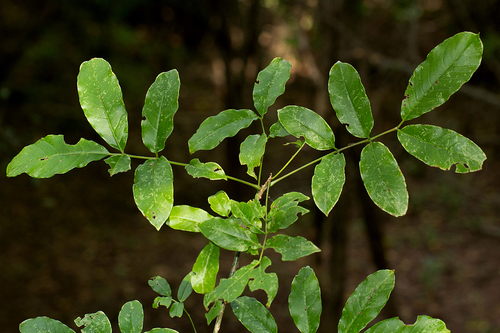
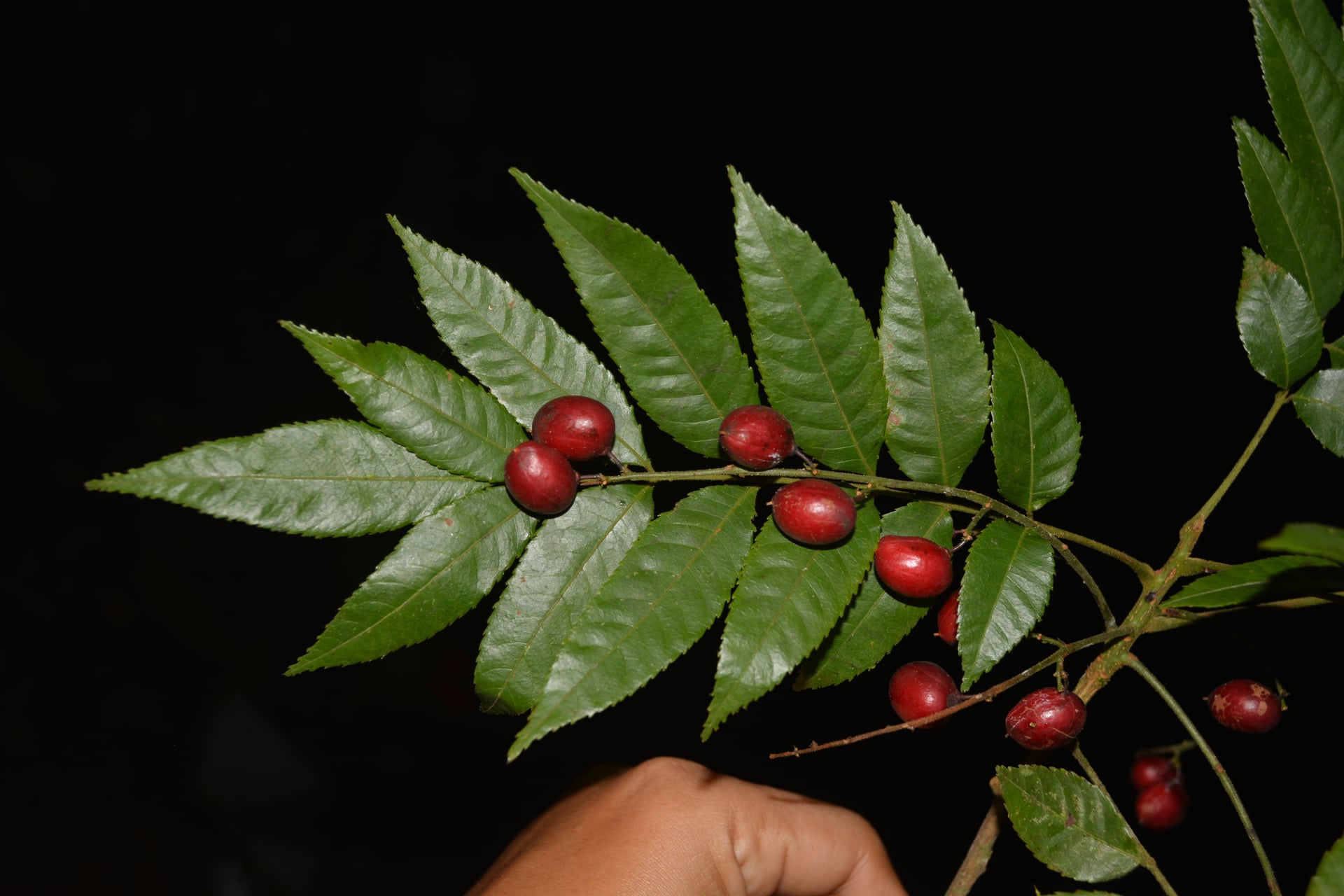
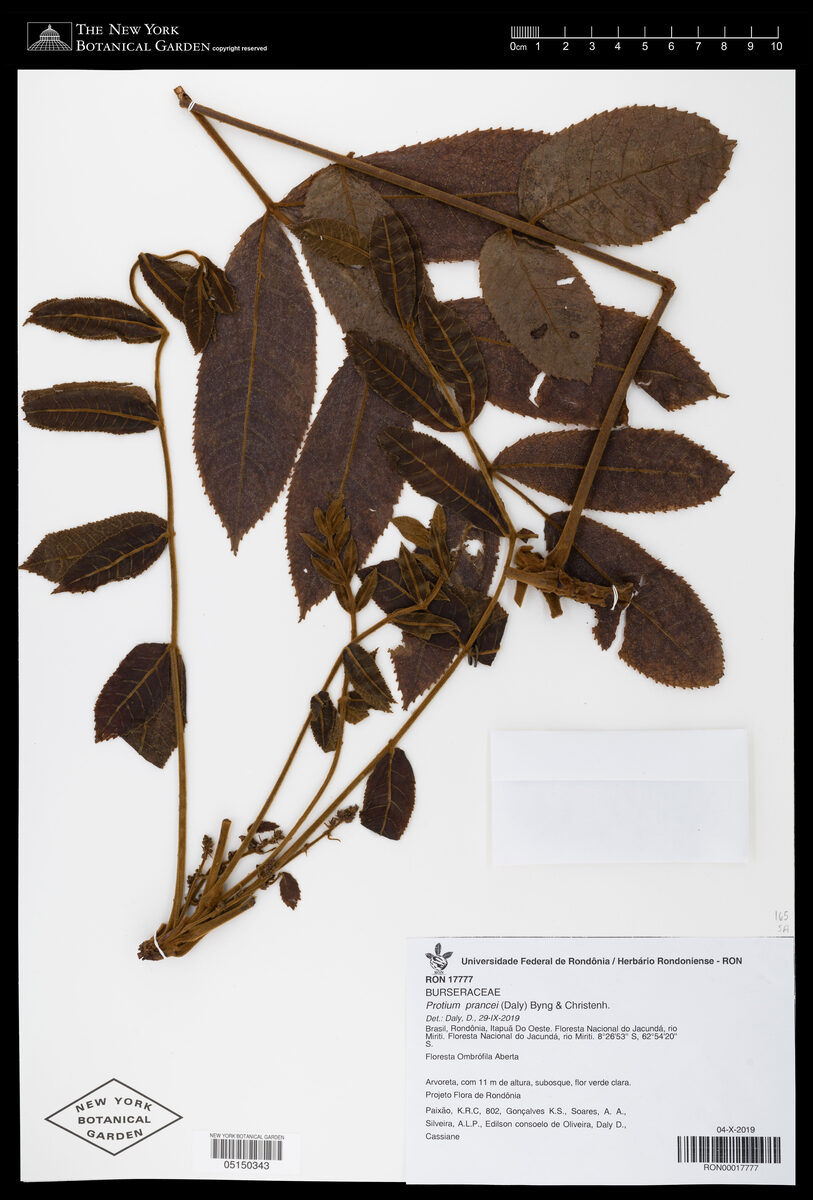
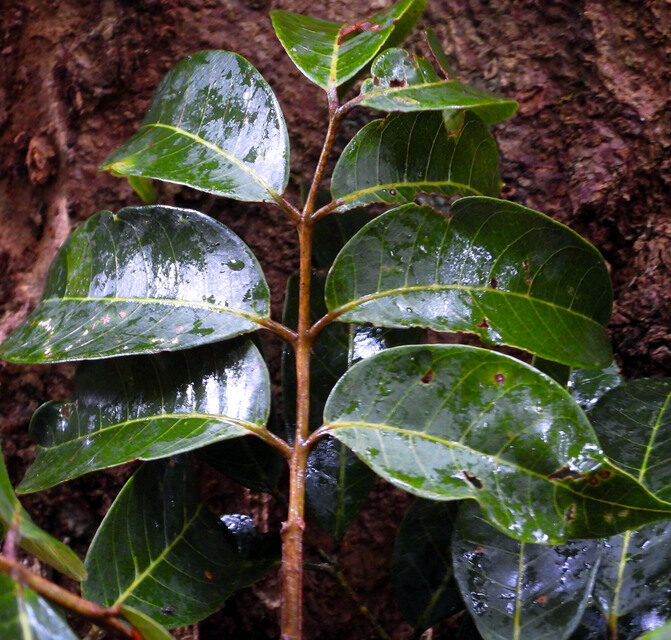
A tree. It grows 30 m high. The young branches have red hairs. The leaves have 3 pairs of leaflets. They are broadly oval. The young leaflets are finely hairy at least on the veins. The leafy structures (stipules) at the base of leaf stalks only occur on very young branches and then fall off. They are kidney shaped. The leaves are narrowly oval and leathery. They have wavy edges. The flowers are yellow to red. The fruit is oblong and 3.5-6.5 cm long by 1.5-3 cm wide. It is pale green and fleshy. The fruit are oval and green. The kernels are small and the shells are hard. These stones are 3 angled.
Edible Uses
The seeds and nuts are eaten, with hard-shelled kernels extracted from the fruit.
Traditional Uses
Asia, Brunei, Indochina, Indonesia, Laos, Malaysia, SE Asia, Singapore, Thailand,
This uses section is brief — help expand it
Medicinal Uses
The resin is said to be sought after in China as a remedy for itchy skin.
Distribution
A tropical plant. It occurs in lowland mixed forest normally below 800 m altitude. It can be up to 1,200 m above sea level.
Where It Grows
Secondary forest, especially on periodically flooded sandy alluvium. Rain-forests, on dry or swampy soils, under everwet or subseasonal conditions, mostly at low elevations, rarely to 2,000 metres.
Cultivation
A dioecious species, both male and female forms need to be grown if fruit and seed are required.
Propagation
Seed - we have no specific information for this species but seeds of this genus generally have a hard seed coat and germinate erratically. Filing away some of the seed coat to allow moisture to enter more readily, without damaging the seed, will encourage a faster and more even germination.
Other Uses
The tree is a source of resin that can be used as dammar. It has been recommended for making varnishes. Dammar is a hard resin, obtained from various trees of Southeast Asia. Traditionally, it is used for purposes such as caulking boats and baskets, as an adhesive, a medicine, as a fuel for torches and sometimes in foods. Dammar has many commercial applications, though many of these uses are less important nowadays due to the advent of synthetic materials. Commercially, it is an ingredient of inks, lacquers, oil paints, varnishes etc, and is used as a glazing agent in foods. Harvesting of the resin commences when the bole is around 25cm in diameter (approx 20 years old). Triangular cuts (becoming circular with age) are arranged in vertical rows around the trunk. The cuts are several centimetres wide at first, but become enlarged at every tapping and eventually become holes of 15 - 20cm in depth and width. The average number of holes for a tree about 30 metres tall and 60 - 80cm in diameter is 9 - 11 in each of 4 - 5 vertical rows. For the higher holes, the tapper climbs the tree supported by a rattan belt and using the lower holes as footholds. The exuded resin is allowed to dry on the tree before it is collected. The frequency with which the tree is visited to refreshen the cut varies from once a week to once a month, depending on how far the tree is from the village. Tapping can continue for 30 years. The wood is rather soft. It is an important source of kedondong timber, which is used in house construction. Kedondong timber is obtained from several Canarium species. Its general characteristics are as follows:- This species is one of the sources of kedondong timber, which is obtained from several species in the family Burseraceae. We do not have a specific description of the wood for this species, but the general description of kedondong wood is as follows:- The heartwood is generally a light brown; it is not sharply demarcated from the 3 - 5cm wide band of lighter-coloured sapwood. The texture is moderately fine and even; the grain is interlocked to wavy; the surface is lustrous. The wood is light in weight; moderately hard; not very durable, being susceptible to fungi, dry wood borers and termites. It seasons somewhat slowly with only a slight risk of checking and distortion; once dry it is moderately stable to stable in service. The wood has a fairly high blunting effect, stellite-tipped and tungsten carbide tools are recommended; it is moderately easy to slightly difficult to plane; finishes smooth to rough; can be easy to very difficult to bore; slightly difficult to difficult to turn; nailing and screwing properties are good; gluing is correct. The wood is suitable for internal use as a general utility timber for planking, cladding, plywood, flooring, furniture, packing cases, pallets and general carpentry work.
Production
There are 80-95 Canarium species.
Synonyms
Also Known As
Asam, Bekatan, Buah kawa, Damar kahingai, Damar kijai, Jelemu, Karamu barawou, Kawangang, Kedongdon pasir, Kenari, Kurihang, Medang belanak, Mekos, Pohon kenari bulan, Rupai, Sala, Seladah
References (20)
- Bijdr. 17:1164. 1826
- Bircher, A. G. & Bircher, W. H., 2000, Encyclopedia of Fruit Trees and Edible Flowering Plants in Egypt and the Subtropics. AUC Press. p 78, p 79 (As Canarium purpurascens and Canarium rufum)
- Burkill, I.H., 1966, A Dictionary of the Economic Products of the Malay Peninsula. Ministry of Agriculture and Cooperatives, Kuala Lumpur, Malaysia. Vol 1 (A-H) p 436 (As Canarium purpurascens), p 437 (As Canarium rufum and also as Canarium secundum))
- Corner,
- FAO, 1995, Edible Nuts. Non Wood Forest Products 5.
Show all 20 references Hide references
- J. D. Hooker, Fl. Brit. India 1:533. 1875 (As Canarium rufum)
- Kebler, P. J. A., & Kidiyasa, 1994, Trees of the Balikpapan-Samarinda area of East Kalimantan, Indonesia. The Tropenbos Foundation, Wageningen, The Netherlands. p 61
- Leenhouts, 1958,
- Menninger, E.A., 1977, Edible Nuts of the World. Horticultural Books. Florida p 27 (As Canarium rufum)
- Milow, P., et al, 2013, Malaysian species of plants with edible fruits or seeds and their evaluation. International Journal of Fruit Science. 14:1, 1-27
- Ridley, 1922, Flora of the Malay Peninsula Vol 1 p 372 (As Canarium rufum and p 375 also as Canarium secundum)
- Saw, L.G., LaFrankie, J. V. Kochummen, K. M., Yap S. K., 1991, Fruit Trees in a Malaysian Rain Forest. Economic Botany, Vol. 45, No. 1, pp. 120-136
- Slik, F., www.asianplant.net
- Soepadmo, E. & Wong, K. M., (Eds.), 1995, Tree Flora of Sabah and Sarawak. Volume One. ITTO, Govt. Malaysia. p 55
- Sukarya, D. G., (Ed.) 2013, 3,500 Plant Species of the Botanic Gardens of Indonesia. LIPI p 177
- Suwardi, A. B., et al, 2020, Wild edible fruits generate substantial income for local people of the Gunung Leuser National Park, Aceh Tamiang Region. Ethnobotany Research & Applications 20:11
- Tanaka, p 125, p 126 (As Canarium secundum)
- Uphof, 1968,
- Wickens, G.E., 1995, Edible Nuts. FAO Non-wood forest products. FAO, Rome. p 111
- World Checklist of Useful Plant Species 2020. Royal Botanic Gardens, Kew