Dypsis hovomantsina
Beentje,
Hovomantsina
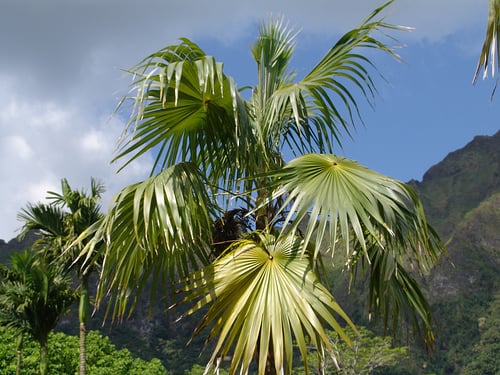
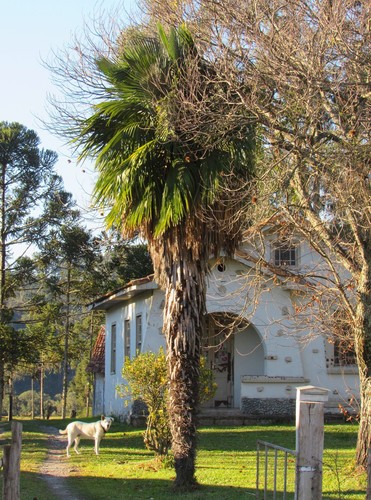
iNaturalist· cc-by-nd
(c) olivier.reilhes, some rights reserved (CC BY-ND)
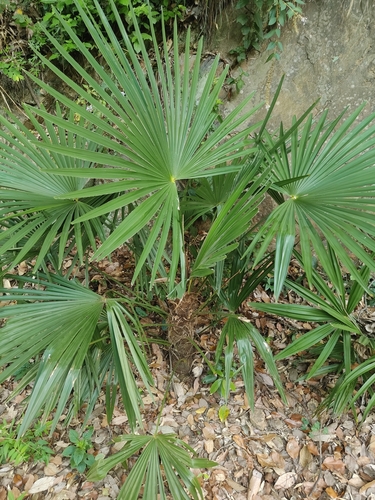
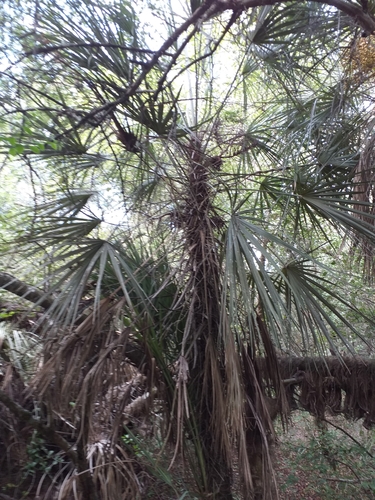
iNaturalist· cc-by-nc
(c) CORDENOS Thierry, some rights reserved (CC BY-NC)
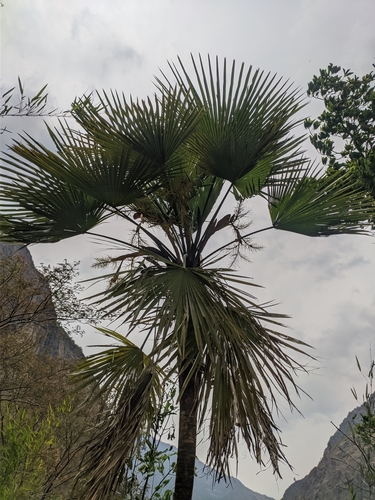
iNaturalist· cc-by-nc
(c) CORDENOS Thierry, some rights reserved (CC BY-NC)
Summary
Source: WikipediaDypsis hovomantsina is a species of flowering plant in the family Arecaceae. It is found only in Madagascar. It is threatened by habitat loss.
Description
A solitary palm. It grows 6-15 m tall. The trunk is 20-30 cm across. The younger parts are grey-green and become light brown. There are widely spaced rings of leaf scars. The crown-shaft bulges. The crown-shaft is 1 m high and is waxy white. It is reddish brown right near the top. The lower parts of the the leaf sheath are waxy white. The leaves form a half circle. The leaves are 3.1 m long and do not arch over. The leaflets are narrow and dark green. They grow at right angles to give a feathery appearance. The palm heart smells.
Edible Uses
Leaves - cooked. The apical bud, known as a 'palm heart', is eaten as a vegetable. The heart has a bad aroma when cooking, but is edible. Eating this bud leads to the death of the plant because it is unable to make side-shoots.
Traditional Uses
The palm heart is smelly but is eaten.
This uses section is brief — help expand it
Medicinal Uses
None mentioned.
Distribution
A tropical plant. It grows in lowland rainforests in Madagascar. It suits humid locations. It cannot tolerate cold. It needs humus rich soil and plenty of moisture.
Where It Grows
Africa, East Africa, Madagascar,
Cultivation
Succeeds in the tropics and subtropics. Grows best in a sunny position. Prefers a well drained position. A slow-growing plant.
Notes
There are 140 Dypsis species.
References (4)
- Dransfield, J. & Beentje, H., 1995, The Palms of Madagascar. Royal Botanical Gardens, Kew and The International Palm Society. p 149
- Haynes, J., & McLaughlin, J., 2000, Edible palms and Their Uses. University of Florida Fact sheet MCDE-00-50-1 p 6
- Johnson, D.V., 1998, Tropical palms. Non-wood Forest products 10. FAO Rome. p 113
- Riffle, R.L. & Craft, P., 2003, An Encyclopedia of Cultivated Palms. Timber Press. p 328