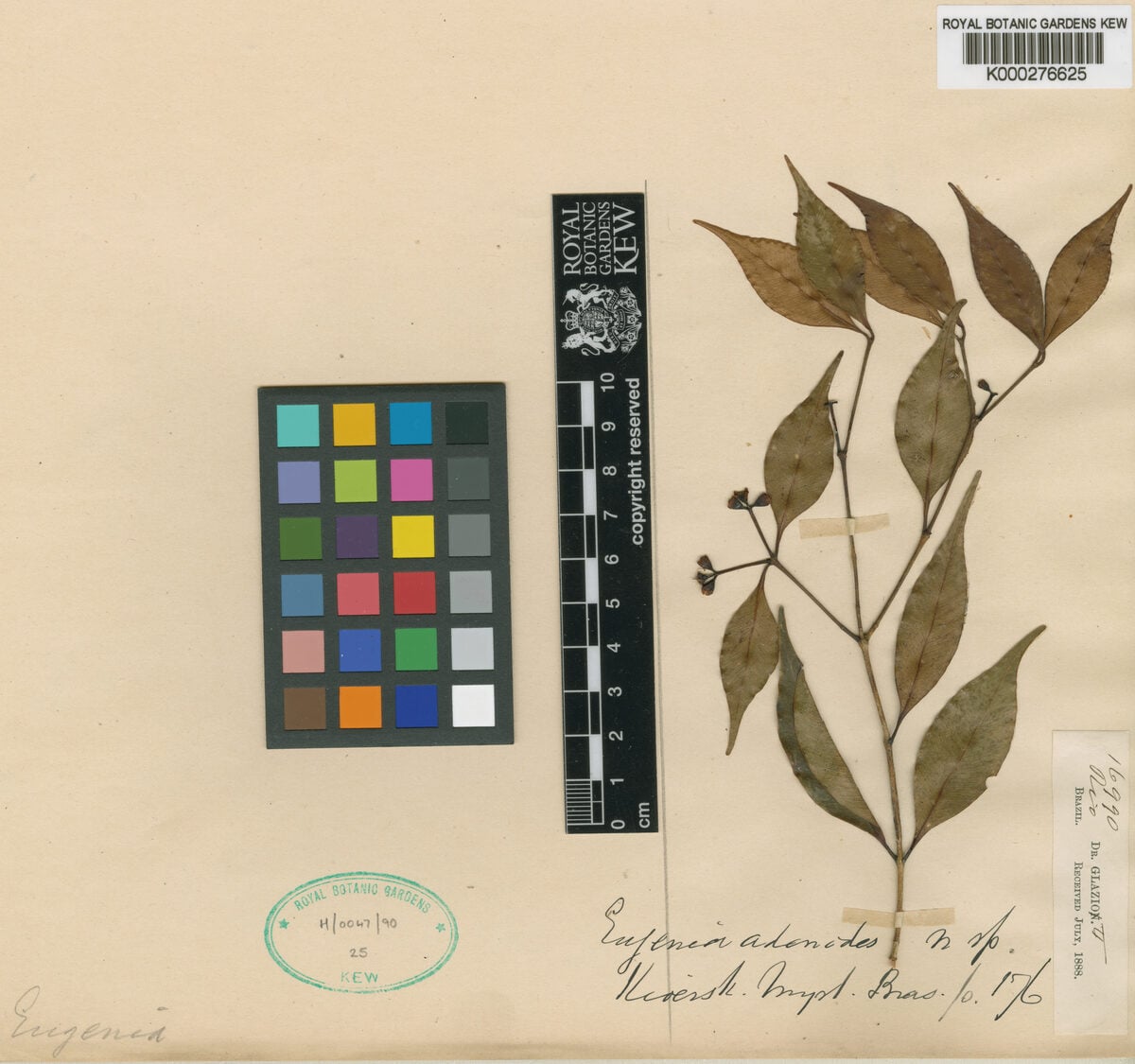
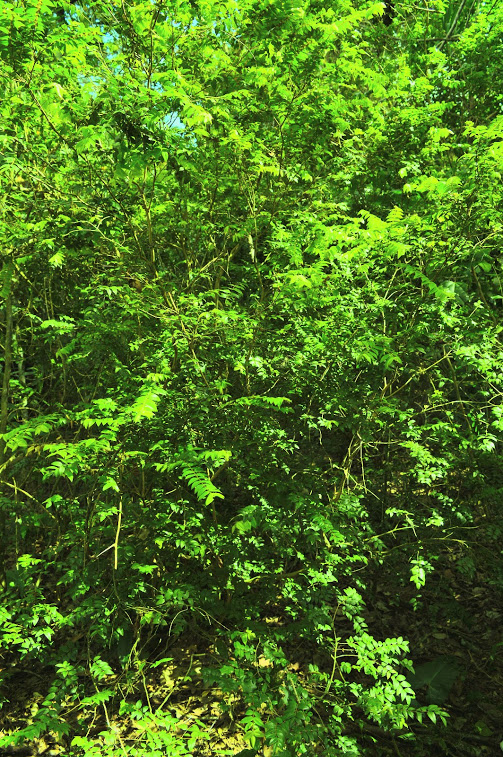
Myrcia megapaniculata
A. R. Lourenco & Parr-Os.
Paniculate lidflower
gbif· cc-by-nc
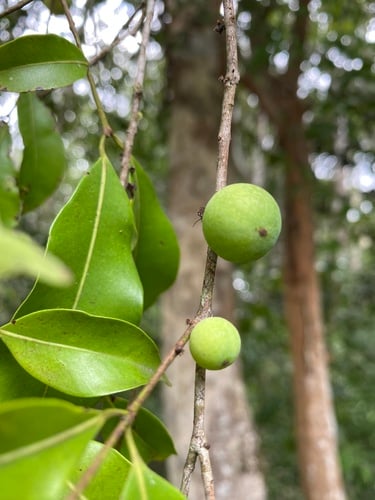
Field Museum of Natural History - Botany Department | GDI 2013-2015
gbif· cc-by-nc
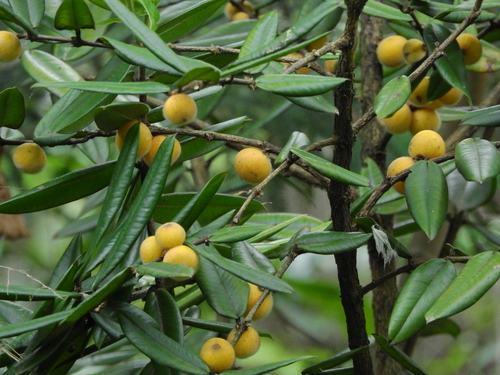
Field Museum of Natural History - Botany Department | GDI 2013-2015
gbif· cc-by-nc
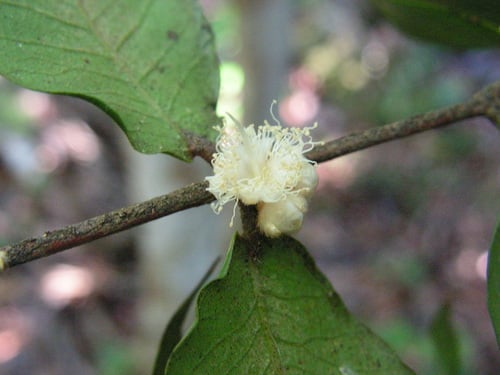
Field Museum of Natural History - Botany Department | GDI 2013-2015
Description
A tropical tree in the myrtle family (Myrtaceae) found in tropical America. It is related to the Calyptranthes genus of trees and shrubs native to the region.
Edible Uses
The fruit is used as a clove substitute and prepared as a spice.
Traditional Uses
The fruit are used as a substitute for cloves.
This uses section is brief — help expand it
Distribution
A tropical plant.
Where It Grows
Amazon, Brazil, Colombia, Ecuador, Peru, South America,
Notes
There are about 200 Calyptranthes species. They are trees and shrubs in tropical America.
Synonyms
Also Known As
Basa
References (4)
- Grandtner, M. M. & Chevrette, J., 2013, Dictionary of Trees, Volume 2: South America: Nomenclature, Taxonomy and Ecology. Academic Press p 94
- Kew Plants of the World Online
- Roa, J. A. G. & Boada, D. S. G., 2018, Fundación para el Fortalecimiento de la Fruticultura y Plantas Alimenticias no Convencionales en Colombia. (As Calyptranthes paniculata)
- Torre, de la, L., et al, 2008, Enciclopedia de las Plantas Útiles del Ecuador. Herbario QCA. Pontificia Universidad Católica del Ecuador. p 465 (As Calyptranthes paniculata)