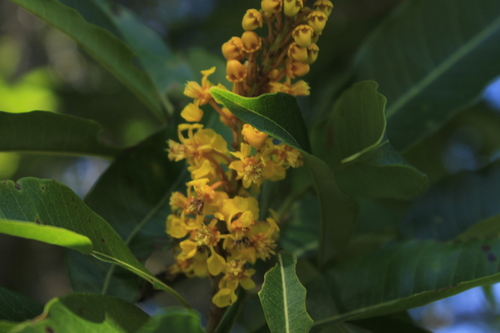
Byrsonima lucida
(Mill.) Rich.
Guana-berry
iNaturalist· cc-by-nc
(c) Jenny Evans, some rights reserved (CC BY-NC)
iNaturalist· cc-by-nc
(c) Erin Haase, some rights reserved (CC BY-NC), uploaded by Erin Haase
iNaturalist· cc-by-nc
(c) enrique1014, some rights reserved (CC BY-NC)
Summary
Source: WikipediaByrsonima lucida is a species of plant in the Malpighiaceae family. It is endemic to islands in the Caribbean and to the U.S. state of Florida. It is a shrub or small tree, and produces pink flowers. Its natural habitat is hammocks in dry limestone rocklands, and in sandy pine-palm woods. Common names for the plant include clam cherry, gooseberry, locust berry and Long Key locustberry.
Description
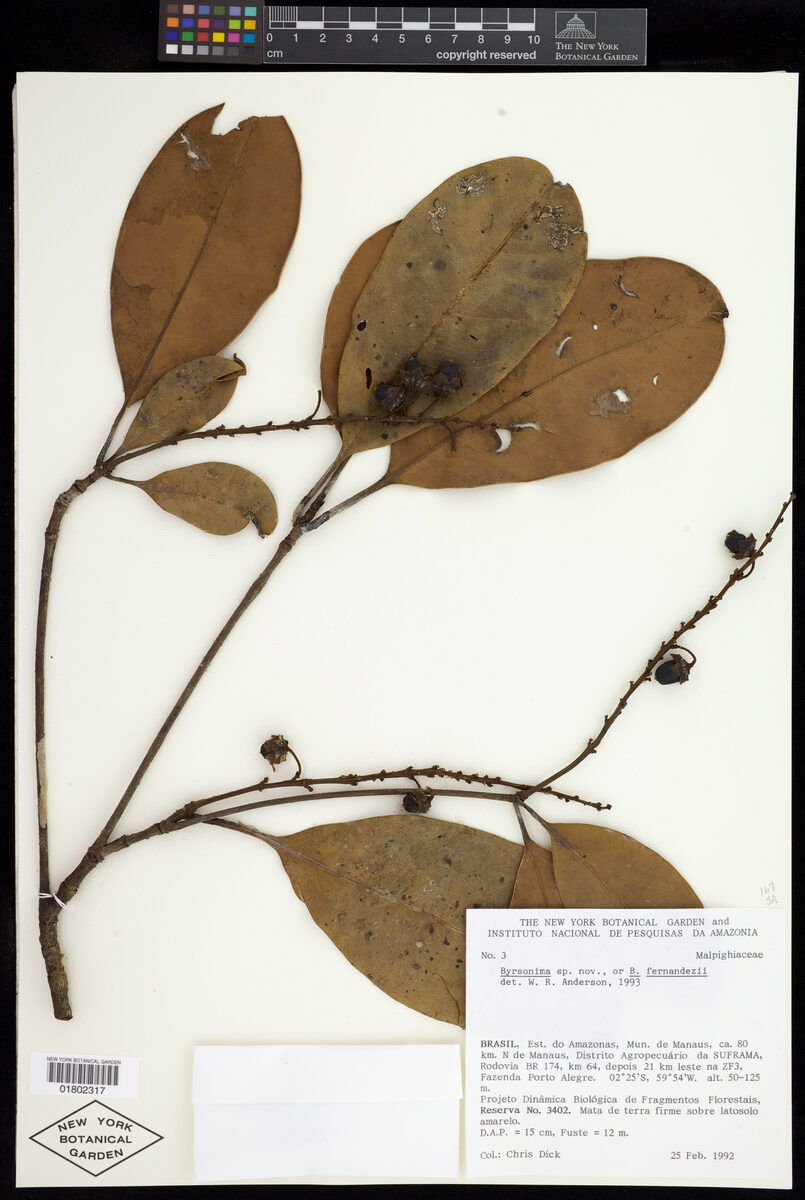
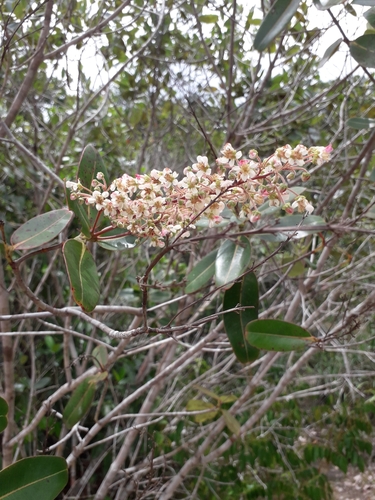
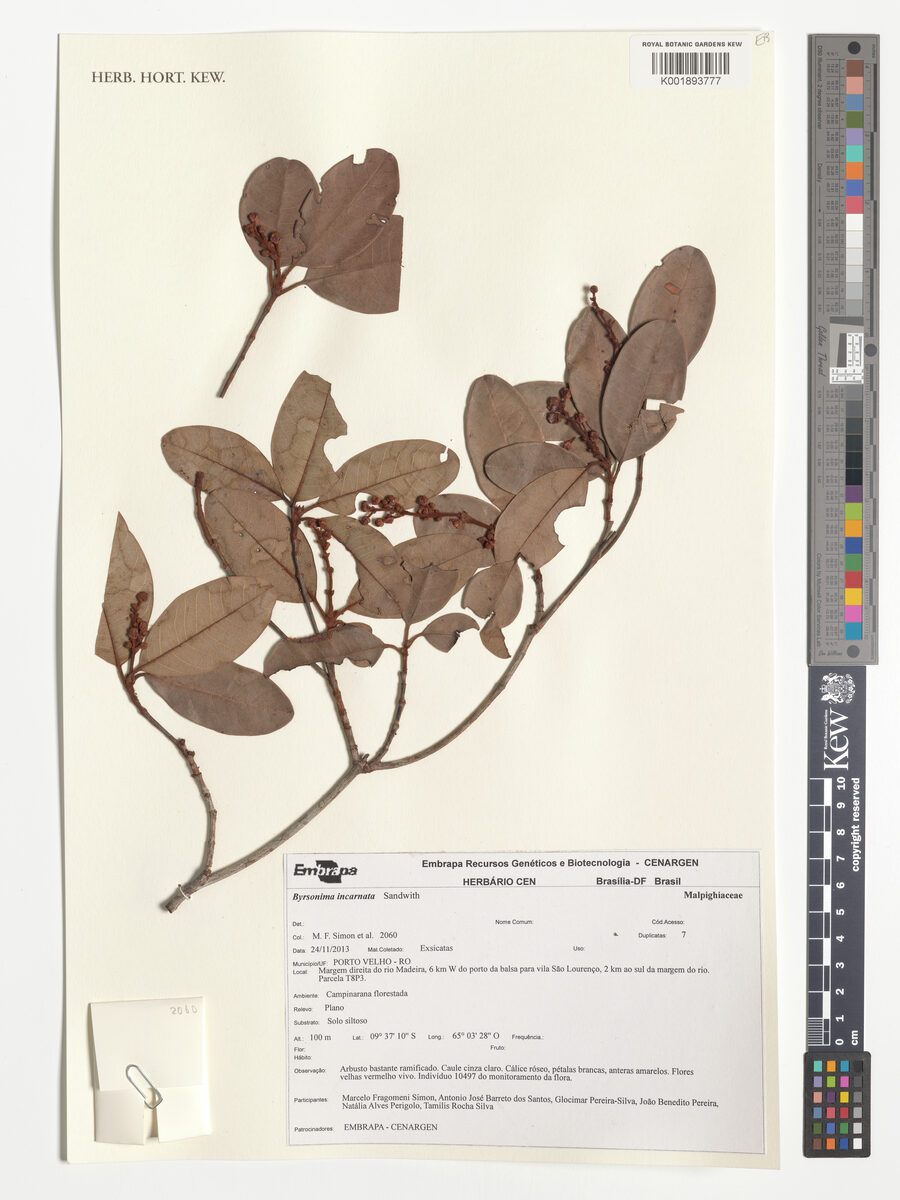
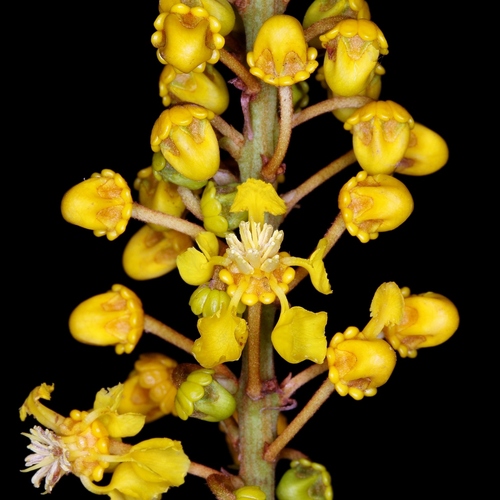
An evergreen tree. It grows 10 m high. The leaves are narrow and spoon shaped. They are 5-8 cm long. They are shiny and blue-green. They are clustered towards the tips of the twigs. The flowers are in round groups. They become pink, red or yellow with age. The fruit is fleshy and round. It is brown. It is edible.
Edible Uses
The fruit is edible and can be eaten fresh.
Distribution
A tropical plant. It needs an average, well-drained soils. It can grow in full or part sun. It suits seasonally moist and dry regions. It has some salt tolerance. It suits hardiness zones 9-12.
Where It Grows
Bahamas, Caribbean, Central America, Cuba, Dominican Republic, Haiti, Hispaniola, Lesser Antilles, Mexico, North America, Puerto Rico, USA, West Indies*,
Notes
There are 127 Byrsonima species. They grow in tropical America.
Synonyms
Also Known As
Iguanaberry, Key byrsonima, Locust-berry, Nancito, Nurici
References (7)
- Barwick, M., 2004, Tropical and Subtropical Trees. A Worldwide Encyclopedic Guide. Thames and Hudson p 74
- Kermath, B. M., et al, 2014, Food Plants in the Americas: A survey of the domesticated, cultivated and wild plants used for Human food in North, Central and South America and the Caribbean. On line draft. p 155
- Little, E. L., et al, 1974, Trees of Puerto Rico and the Virgin Islands. USDA Handbook 449. Forestry Service. p 366
- Llamas, K.A., 2003, Tropical Flowering Plants. Timber Press. p 251
- Plants of Haiti Smithsonian Institute http://botany.si.edu/antilles/West Indies
Show all 7 references Hide references
- Prodr. 1:580. 1824
- Segura, S., et al, 2018, The edible fruit species in Mexico. Genet Resour Crop Evol (2018) 65:1767–1793