Malpighia urens
L.
Cowitch cherry, Stinging cherry
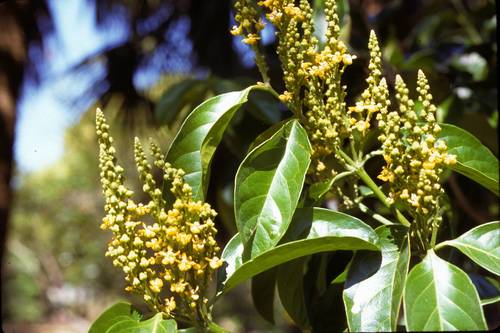
iNaturalist· cc-by
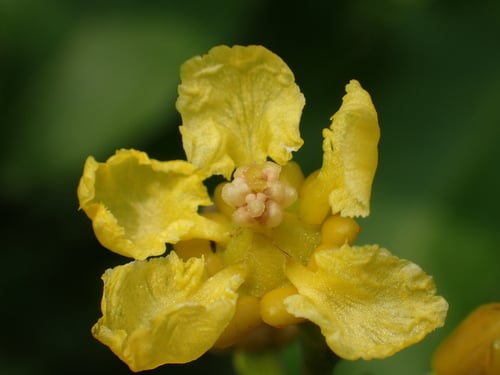
(c) Brian Oakes Haiti Hunter, some rights reserved (CC BY), uploaded by Brian Oakes Haiti Hunter
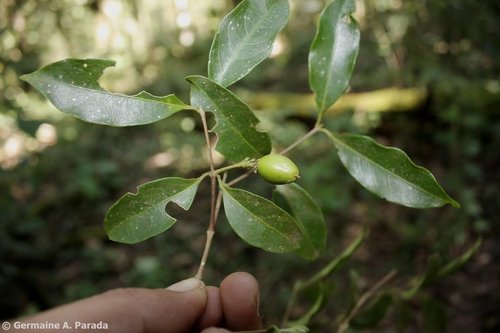
iNaturalist· cc-by-nc
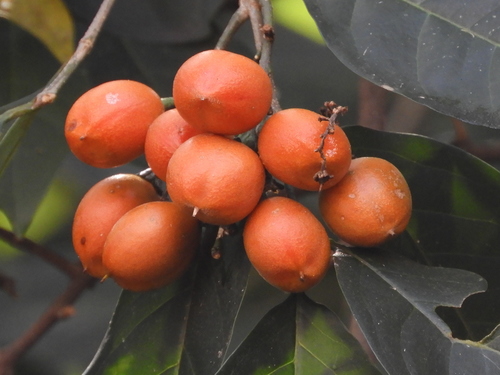
(c) Martin Reith, some rights reserved (CC BY-NC), uploaded by Martin Reith
iNaturalist· cc-by
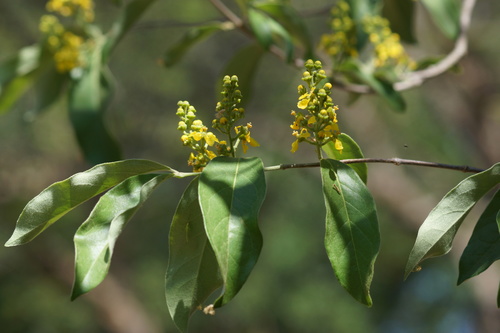
(c) Brian Oakes Haiti Hunter, some rights reserved (CC BY), uploaded by Brian Oakes Haiti Hunter
Description
A shrub. It grows 2-5 m tall. It can be erect or scrambling. The fruit is almost round and fleshy. It is 1-1.5 cm across. It is red. It contains 3 seeds.
Edible Uses
Fruit - raw. The reddish fruits are refreshing and juicy. Insipid, it is only eaten by children. The fruit is up to 10mm in diameter.
Traditional Uses
The pulp of the fruit is eaten.
This uses section is brief — help expand it
Known Hazards
This species possesses stinging hairs, and was noted to produce skin reactions.
Distribution
A tropical plant. It needs a fertile, well-drained soil and a sunny position.
Where It Grows
Asia, Caribbean*, Central America, Cuba, Dominican Republic, Haiti, India, Indonesia, Jamaica, SE Asia, West Indies*,
Cultivation
Plants can be grown from seeds or cuttings of semi-ripe wood.
Propagation
Seed - Cuttings - cuttings of half-ripe wood, with entire leaves, in a frame with bottom heat.
Other Information
The fruit are eaten especially by children. The plant is cultivated for its fruit.
Synonyms
Also Known As
Ceri India, Ceri sengat, Cowhage, Stinging cherry
References (9)
- Ambasta, S.P. (Ed.), 2000, The Useful Plants of India. CSIR India. p 351
- Burkill, I.H., 1966, A Dictionary of the Economic Products of the Malay Peninsula. Ministry of Agriculture and Cooperatives, Kuala Lumpur, Malaysia. Vol 2 (I-Z) p 1421
- Hedrick, U.P., 1919, (Ed.), Sturtevant's edible plants of the world. p 399
- Kermath, B. M., et al, 2014, Food Plants in the Americas: A survey of the domesticated, cultivated and wild plants used for Human food in North, Central and South America and the Caribbean. On line draft. p 511
- Plants of Haiti Smithsonian Institute http://botany.si.edu/antilles/West Indies
Show all 9 references Hide references
- PROSEA (Plant Resources of South East Asia) handbook, Volume 2, 1991, Edible fruits and nut. p 199
- Sp. pl. 1:426. 1753
- Sukarya, D. G., (Ed.) 2013, 3,500 Plant Species of the Botanic Gardens of Indonesia. LIPI p 669
- World Checklist of Useful Plant Species 2020. Royal Botanic Gardens, Kew