Ziziphus spina-christi
(L.) Desf.
Christ's thorn, Crown of Thorns
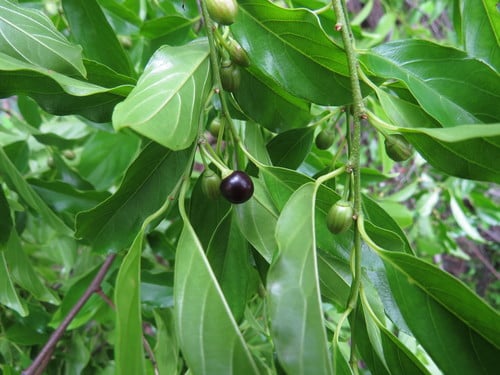
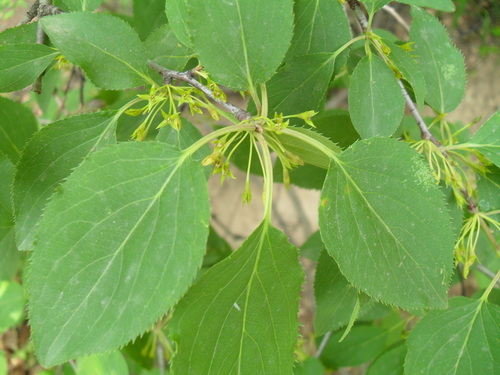
iNaturalist· cc-by-nc
(c) Yael Orgad, some rights reserved (CC BY-NC), uploaded by Yael Orgad
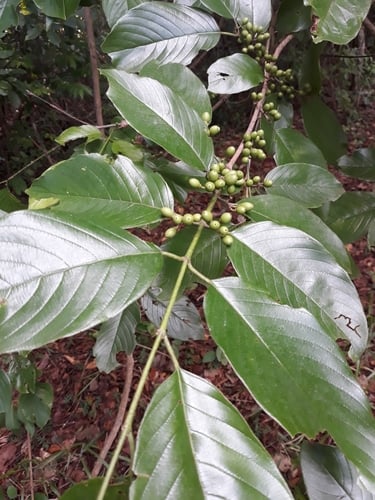
iNaturalist· cc-by-nc
(c) Uriah Resheff, some rights reserved (CC BY-NC), uploaded by Uriah Resheff
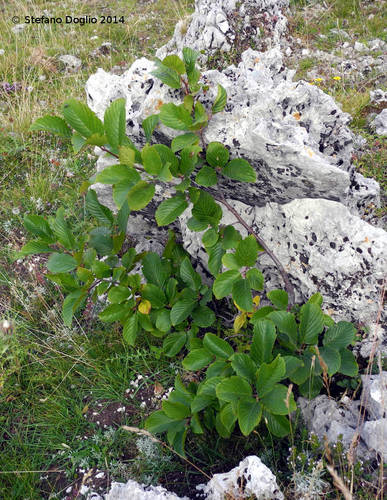
iNaturalist· cc-by-nc
(c) Yael Orgad, some rights reserved (CC BY-NC), uploaded by Yael Orgad
Summary
Source: WikipediaZiziphus spina-christi, known as the Christ's thorn jujube, is a thorny and evergreen tree or plant.
Description
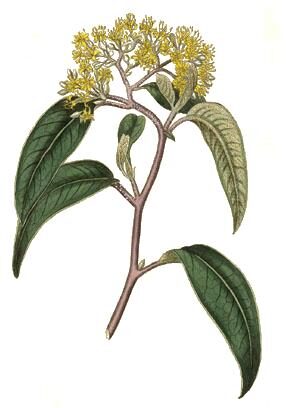
A shrub or a tree. In desert places it grows 2 m high. It can grow to 15-20 m high. The trunk is 50 cm across. It is prickly or thorny. The leaves are oval and alternate. There are 3 almost parallel veins easily seen underneath the leaf. The flower stalks are hairy. The flowers are 2-4 mm across. They are in clusters in the axils of leaves near the ends of branches. The fruit is small and orange or red. They are oblong. They are 13-18 mm across. The fruit are edible.
Edible Uses
The fruit pulp is dried and milled into flour, then cooked with steam, or eaten raw. The seed kernels are eaten raw. The leaves are cooked and eaten as a snack. Fruits are sold in local markets.
Traditional Uses
The pulp of the fruit is dried and milled into flour. It is then cooked with steam. The fruit are also eaten raw. The kernel of the seeds is eaten raw. The leaves are cooked and eaten as a snack.
Medicinal Uses
The ripe fruits are edible. Historically, it was utilized in ancient Egyptian medicine for its supposed anti-inflammatory properties, specifically in treating pain, swelling, and heat. An in vitro study has suggested that the plant might have anti-inflammatory properties, identifying active compounds such as epigallocatechin and gallocatechin that inhibit inflammatory pathways like NF-κB.
Distribution
A tropical plant. It grows in very dry plains and hill slopes. It grows in the Sahel in watercourses that occasionally get flooded. It grows in areas that have a rainfall between 50-300 mm per year. It can grow in arid places. It is highly salt tolerant. In Ethiopia it grows up to 2,400 m above sea level.
Where It Grows
Afghanistan, Africa, Algeria, Angola, Arabia, Asia, Australia, Bahrain, Burkina Faso, Cameroon, Central Africa, Central African Republic, CAR, Chad, Comoros, Cuba, Djibouti, East Africa, Egypt, Egypt - Sinai, Eritrea, Ethiopia, Ghana, Guinea, Guinée, India, Iran, Iraq, Israel, Jordan, Kenya, Lebanon, Libya, Madagascar, Malawi, Mali, Mauritania, Mediterranean, Middle East, Morocco, Netherlands, Niger, Nigeria, North Africa, Oman, Pakistan, Palestine, Reunion, Sahel, Saudi Arabia, Senegal, Sinai, Socotra, Somalia, South Sudan, Sudan, Syria, Tanzania, Tunisia, Turkey, Türkiye, Uganda, United Arab Emirates, UAE, West Africa, West Indies, Yemen, Zimbabwe,
Cultivation
Plants can be grown by seeds. It can be cut back and will re-grow.
Other Uses
It has been reported that applying the bark in larger doses reduces nematode activity in cereal fields and leads to significant increase in the yield of sunflowers. In a trial, a methane extract of the leaf at a concentration of 10,000ppm in distilled water reduced the egg hatching of root nematodes by more than 99% after 21 days compared with a control. The red or dark brown wood is hard, heavy and resistant to termites. It is used for cabinet making, tool handles, posts, furniture, turnery and general carpentry. The wood makes a good fuel and an excellent charcoal. A thorny plant, it is grown as a stock-proof hedge and living fence. It also makes a useful windbreak and shelterbelt. The tree develops a very deep taproot and spreading lateral roots, making it useful for stabilizing sand dunes and other unstable soils. The tree improves soil quality by increasing available phosphorus. The tree is sometimes interplanted with millet.
Other Information
Fruit are sold in local markets.
Notes
Chemical composition (after Berry-Koch) (per 100g) (fruit, dried): Protein = 4.8g. Fat = .9g. Calcium = 140mg. Fe = 3.0mg. Vitamin B1 = .04mg. Vitamin B2 = .13mg. Niacin = 3.7mg. Vitamin C = 30mg. Chemical composition (after Abdelmuti): Protein (crude) = 5.6% (dry). Fat = 2.1% (dry). Ash (insoluble) = 4.4% (dry). Fibre (crude) (dry) = 4.1%(dry). Carbohydrate (soluble): Starch = 21.8% (dry). Sugars: Sucrose = 21.8% (dry). D-glucose = 9.6% (dry). D- fructose = 16.0% (dry). Amino acids (g [16g N]-1): Aspartic acid = 15.1g. Threonine = 2.2g. Serine = 3.9g. Glutamic acid = 17.6g. Proline = 5.3g. Glycine = 3.1g. Alanine = 3.4g. Valine = 3.1g. Cysteine = 0.5g. Methionine = 0.4g. Isoleucine = 2.3g. Leucine = 3.9g. Tyrosine = 1.8g. Phenylalanine = 2.2g. Lysine = 2.3g. Histidine = 0.9g. Arginine = 3.4g. Sulphur 0.04% (dry). Potassium = 0.13% (dry). Magnesium = 0.12% (dry). Calcium = 0.61% (dry). Na = 0.01% (dry). K = 1.91% (dry). Zinc = 9mg/kg-1 (dry). Iron = 20mg/kg-1 (dry). Manganese = 13mg/kg-1 (dry). Copper = 5mg/kg-1 (dry).
Nutrition
| Part | Moisture | kJ | kcal | Protein | Vit A | Vit C | Iron | Zinc |
|---|---|---|---|---|---|---|---|---|
| Fruit | 47.6 | — | — | 2.1 | — | — | — | — |
Synonyms
Also Known As
Arka, Bow, Daoom, Dhaood, Elb, Gaudi, Girem, Ilb, Jangali bair, Jangli bair, Karno, Kournahi, Kurkura, Kurna, Kurnahi, Kusira-a, Kusra, Laang, Nabak, Nabaq, Nabbag, Nabik, Nubk tree, Qurqura, Sedr, Serwie, Sidir, Sidr, Syrian thorn tree, Yuyuba
References (67)
- Abbiw, D.K., 1990, Useful Plants of Ghana. West African uses of wild and cultivated plants. Intermediate Technology Publications and the Royal Botanic Gardens, Kew. p 42
- ABDELMUTI,
- Addis, G., et al, 2005, Ethnobotanical Study of Edible Wild Plants in Some Selected Districts of Ethiopia. Human Ecology, Vol. 33, No. 1, pp. 83-118
- Addis, G., et al, 2013, The Role of Wild and Semi-wild Edible Plants in Household Food Sovereignty in Hamer and Konso Communities, South Ethiopia. Ethnobotany Research & Applications. 11:251-271
- Al-Fatimi, M. A., Wild Edible Plants Traditionally Collected and Used in Southern Yemen. Research Square. University of Aden. p 24
Show all 67 references Hide references
- Ali-Shtayeh, M. S., et al, 2008, Traditional knowledge of wild edible plants used in Palestine (Northern West Bank): A comparative study. J Ethnobiol Ethnomed. 4: 13
- Alfarhan, A. H., 2005, Flora of Jizan Region. AR 17-7. King Abdulaziz City for Science and Technology (KACST). p 260
- Al-Qura'n, S. A., 2010, Ethnobotanical and Ecological Studies of Wild Edible Plants in Jordan. Libyan Agriculture Research Center Journal International 1(4):231-243
- Al-Sodany, Y. M., et al, 2013, Medicinal Plants in Saudi Arabia: I. Sarrwat Mountains at Taif, KSA. Academic Journal of Plant Sciences 6 (4): 134-145
- Ambasta, S.P. (Ed.), 2000, The Useful Plants of India. CSIR India. p 704
- Asfaw, Z. and Tadesse, M., 2001, Prospects for Sustainable Use and Development of Wild Food Plants in Ethiopia. Economic Botany, Vol. 55, No. 1, pp. 47-62
- Awas, T., 1997, A Study on the Ecology and Ethnobotany of Non-cultivated Food Plants and Wild Relatives of Cultivated crops in Gambella Region, Southwestern Ethiopia. Addis Ababa University. p 62
- Bahru, T., et al, 2013, Wild Edible Plants: Sustainable Use and Management by Indigenous Communities in and the Buffer Area of Awah National Park, Ethiopia. Ethiop. J. Sci., 36(2): 93-108
- Bailey, C. and Danin, A., 1981, Bedouin Plant Utilization in Sinai and the Negev. Economic Botany 35(2): 145-162
- Ballal, M. E., et al, 2014, Ethno-botany of Natural Forests of Nuba Mountains, South Kordofan State, Sudan. Journal of Forest Poducts & Industries. 3(1):13-19
- Beche D, Gebeyehu G, Feyisa K., 2016, Indigenous Utilization and Management of Useful Plants in and around Awash National Park, Ethiopia. J Plant Biol Soil Health. 3(1):12.
- Facciola, S., 1998, Cornucopia 2: a Source Book of Edible Plants. Kampong Publications, p 191
- Bekele-Tesemma A., Birnie, A., & Tengnas, B., 1993, Useful Trees and Shrubs for Ethiopia. Regional Soil Conservation Unit. Technical Handbook No 5. p 456
- Berihun, T. & Molla, E., 2017, Study on the Diversity and Use of Wild Edible Plants in Bullen District Northwest Ethiopia. Hindawi Journal of Botany. Article ID 8383468
- Bernholt, H. et al, 2009, Plant species richness and diversity in urban and peri-urban gardens of Niamey, Niger. Agroforestry Systems 77:159-179
- BERRY- KOCH,
- Blamey, M and Grey-Wilson, C., 2005, Wild flowers of the Mediterranean. A & C Black London. p 130
- Bodkin, F., 1991, Encyclopedia Botanica. Cornstalk publishing, p 1036
- Burkill, H. M., 1985, The useful plants of west tropical Africa, Vol. 4. Kew.
- Dalziel, 1981,
- Duguma, H. T., 2020, Wild Edible Plant Nutritional Contribution and Consumer Perception in Ethiopia. Hindawi International Journal of Food Science Volume 2020, Article ID 2958623, 16 pages
- Facciola, S., 1998, Cornucopia 2: a Source Book of Edible Plants. Kampong Publications, p 192
- FAO, 1988, Traditional Food Plants, FAO Food and Nutrition Paper 42. FAO Rome p 537
- Fl. atlant. 1:201. 1798 Jun (Willd., Sp. pl. 1:1105. 1798 July)
- Flora of Pakistan. www.eFloras.org
- Food Composition Tables for use in Africa FAO http://www.fao.org/infoods/directory No. 947
- Gallagher, D. E., 2010, Farming beyond the escarpment: Society, Environment, and Mobility in Precolonial Southeastern Burkina Faso. PhD University of Michigan.
- Garba, A., Useful Plants in the Chad region of North-East Nigeria.
- Harris, F. M. A. and Mohammed, S., 2003, Relying on Nature: Wild Foods in Northern Nigeria. Ambio Vol. 32 No. 1. p 25-30
- Hedrick, U.P., 1919, (Ed.), Sturtevant's edible plants of the world. p 707
- Hinnawi, N. S. A., 2010, An ethnobotanical study of wild edible plants in the Northern West Bank "Palestine". An-Najah National University. p 96
- Ibrahim, H. A., et al, 2012, Ethnobotanical Survey of the Wild Edible Food Plants Consumption among Local Communities in Kano State, North-Western, Nigeria, International Journal of Science and Technology. Vol. 2. No. 10 p 715
- INFOODS:FAO/INFOODS Databases
- Jardin, C., 1970, List of Foods Used In Africa, FAO Nutrition Information Document Series No 2.p 169
- Karim, F. M. & Dakheel, A, J., 2006, Salt-tolerant plants of the United Arab Emirates. 2006. International Center for Biosaline Agriculture, Dubai, UAE. p 143
- Kebebew, M. & Leta, G., 2016, Wild Edible Plant Bio-diversity and Utilization System in Nech Sar National Park, Ethiopia. International Journal of Bio-resource and Stress Management 2016, 7(4):885-896
- Kidane, B., et al, 2014, Ethnobotany of Wild and Semi-wild Edible Fruit Species used by Maale and Ari Ethnic Communities in South Ethiopia. Ethnobotany Research and Applications. Vol. 12, 1546-3465-12-455
- Kiple, K.F. & Ornelas, K.C., (eds), 2000, The Cambridge World History of Food. CUP p 1756
- Le Houerou, H. N., (Ed.), 1980, Browse in Africa. The current state of knowledge. International Livestock Centre for Africa, Ethiopia. p 163
- Lulekal, E., et al, 2011, Wild edible plants in Ethiopia: a review on their potential to combat food insecurity. Afrika Focus - Vol. 24, No 2. pp 71-121
- Mahklouf, M. H., 2019, Ethnobotanical Study of Edible Wild Plants in Libya. European Journal of Ecology. 5(2): 30-40
- Mandaville, J. P., 2004, Bedouin ethnobotany: Plant concepts and plant use in a desert pastoral world. PhD thesis University of Arizona. p 163
- Martin, F. W., et al, 1987, Perennial Edible Fruits of the Tropics. USDA Handbook 642 p 53
- Maydell, H. von, 1990, Trees and shrubs of the Sahel: their characteristics and uses. Margraf. p 407
- Mengistu, F. & Hager, H., 2008, Wild Edible Fruit Species Cultural Domain, Informant Species Competence and Preference in Three Districts of Amhara Region, Ethiopia. Ethnobotany Research & Applications 6:487-502
- Miller, A. G., Morris, M. & Stuart-Smith, S., 1988, Plants of Dhofar. The Southern Region of Oman, Traditional, Economic and Medicinal Uses. Sultanate of Oman. p 242
- Moksia, F., et al, 2019, Diversity and Socio-Economic Value of Wild Edible Plants in the Mounts Mandara Region, Cameroon. International Journal of Sciences. Vol. 8:10
- MORTIMORE,
- Peters, C. R., O'Brien, E. M., and Drummond, R.B., 1992, Edible Wild plants of Sub-saharan Africa. Kew. p 167
- Phillips, D.C., 1988, Wild Flowers of Bahrain. A Field Guide to Herbs, Shrubs, and Trees. Privately published. p 56
- Majeed, M., et al, 2021, Gathered Wild Food Plants among Diverse Religious Groups in Jhelum District, Punjab, Pakistan. Foods 2021, 10, 594.
- Rivera, D. et al, 2006, Gathered Mediterranean Food Plants - Ethnobotanical Investigations and Historical Development, in Heinrich M, Müller WE, Galli C (eds): Local Mediterranean Food Plants and Nutraceuticals. Forum Nutr. Basel, Karger, 2006, vol 59, pp 18–74
- Royal Botanic Gardens, Kew (1999). Survey of Economic Plants for Arid and Semi-Arid Lands (SEPASAL) database. Published on the Internet; http://www.rbgkew.org.uk/ceb/sepasal/internet [Accessed 10th June 2011]
- Salih, N. K. M., & Ali, A. H., 2014, Wild food trees in Eastern Nuba Mountain, Sudan: Use, diversity, and threatening factors. Journal of Agriculture and Rural Development in the Tropics and Subtropics Vol. 115 No. 1 pp 1-7
- Tebkew, M. et al, 2014, Underutilized wild edible plants in the Chilga District, northwestern Ethiopia: focus on wild woody plants. Agriculture & Food Security 3:12
- Tebkew, M., et al, 2018, Uses of wild edible plants in Quara district, northwest Ethiopia: implication for forest management. Agriculture and Food Security (2018) 7:12
- Teklehaymanot, T., 2017, An ethnobotanical survey of medicinal and edible plants of Yalo Woreda in Afar regional state, Ethiopia. Journal of Ethnobiology and Ethnomedicine 13:40
- van Wyk, B., 2005, Food Plants of the World. An illustrated guide. Timber press. p 391
- Vivien, J., & Faure, J.J., 1996, Fruitiers Sauvages d'Afrique. Especes du Cameroun. CTA p 272
- World Checklist of Useful Plant Species 2020. Royal Botanic Gardens, Kew
- www.worldagroforestrycentre.org/treedb/
- Young, H. et al, 2016, Risk, Resilience and Pastoralist Mobility. Feinstein International Center. p 58