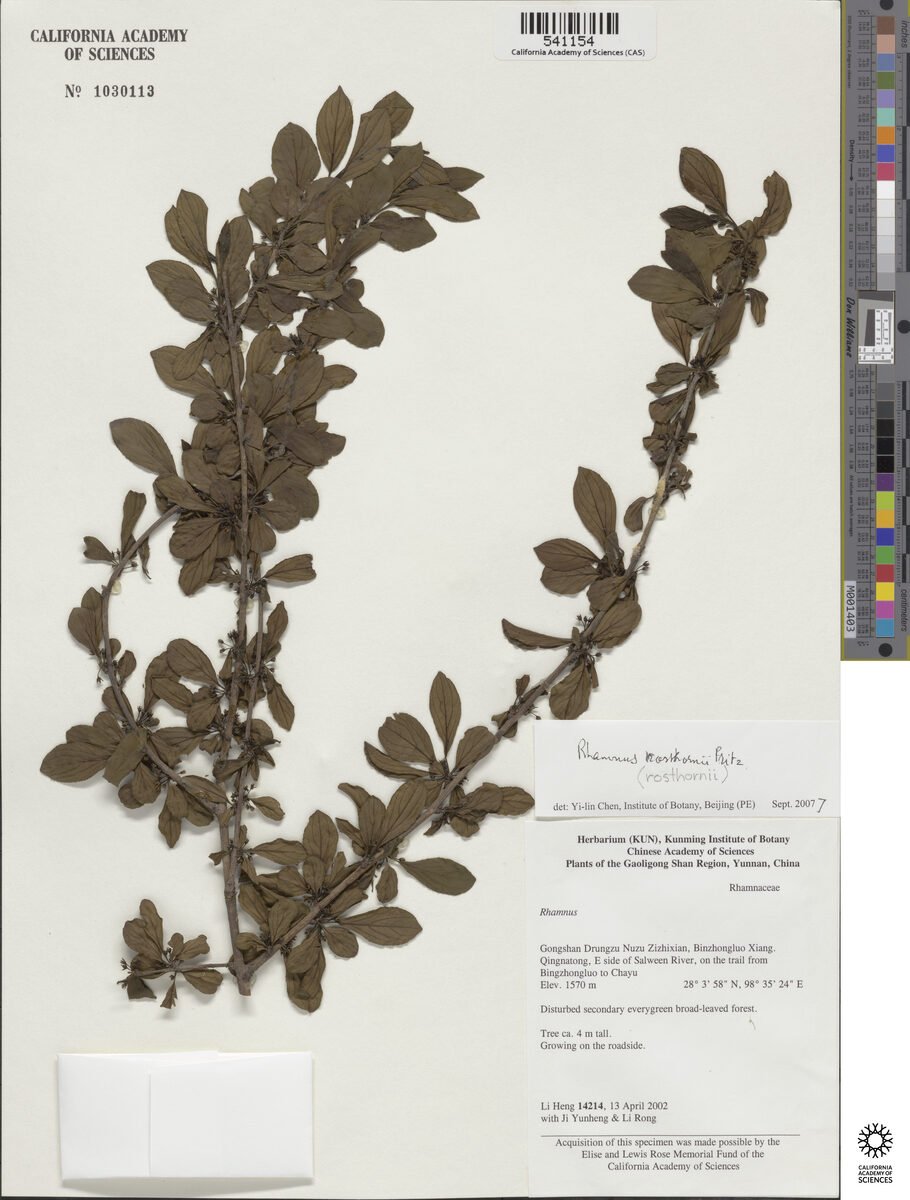
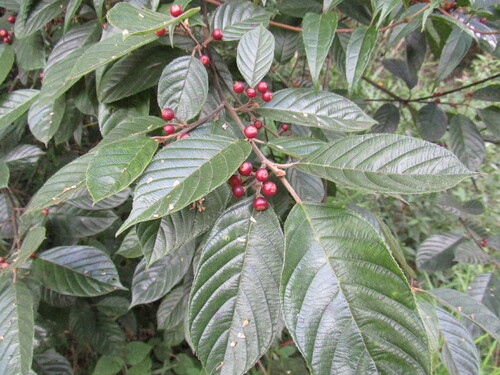
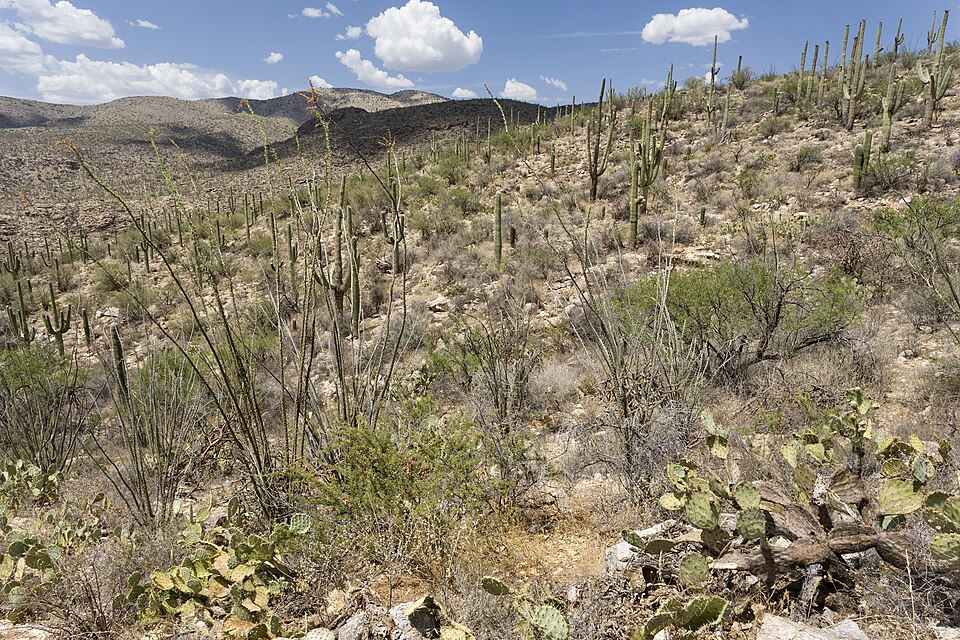
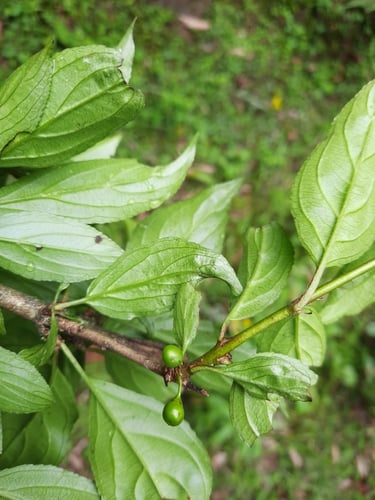
Ziziphus mauritiana
Lamarck
Jujube tree, Indian Jujube
iNaturalist· cc0
no rights reserved, uploaded by 葉子
iNaturalist· cc0
no rights reserved, uploaded by 葉子
iNaturalist· cc-by-nc
(c) Troos van der Merwe, some rights reserved (CC BY-NC), uploaded by Troos van der Merwe
Summary
Source: WikipediaZiziphus mauritiana, also known as Indian jujube, Indian plum, Chinese date, Chinee apple, ber (Hindi: बेर) and dunks, is a tropical, spiny, evergreen shrub or small tree in the buckthorn family Rhamnaceae. It is often confused with the closely related Chinese jujube (Z. jujuba): Z. mauritiana is common is tropical and subtropical climates, while Z. jujuba prefers temperate climates. The plant grows vigorously up to 12 metres (39 ft) high, with a trunk 30 centimetres (12 in) or more in diameter. It has a spreading crown with stipular spines and drooping branches. The fruit is oval, obovate, oblong or round, and can be 2.5–6 centimetres (0.98–2.36 in) long depending on the variety, having smooth, light green skin when unripe, turning yellow and then reddish brown as it ripens.
Description
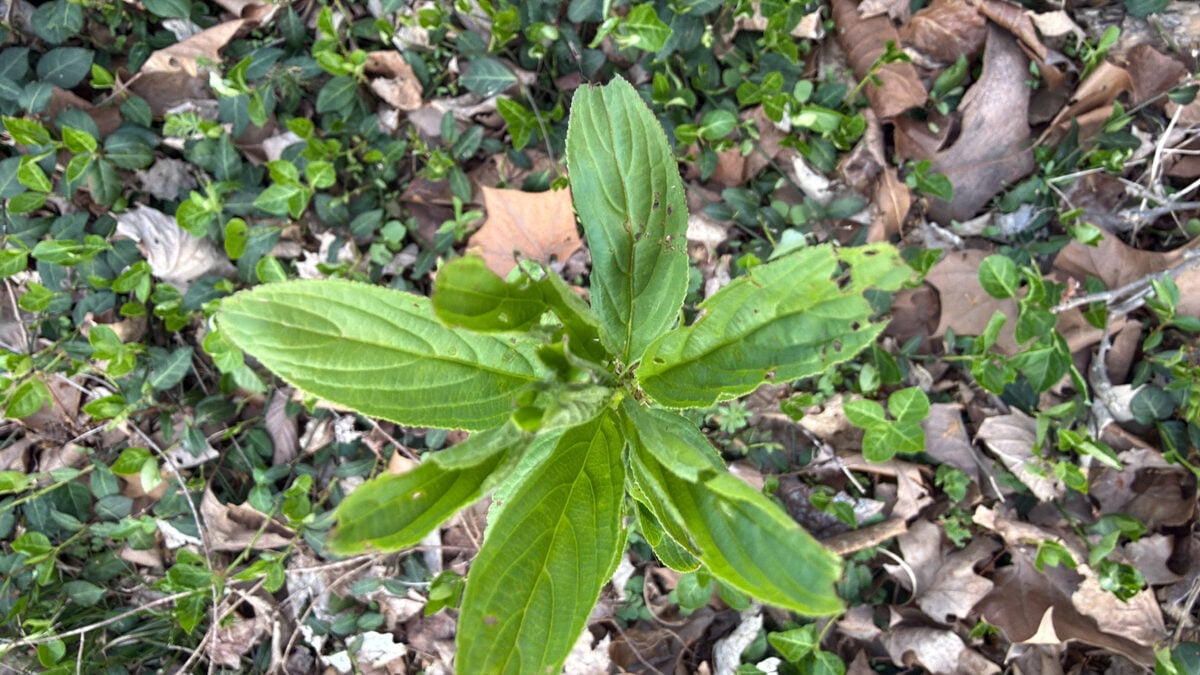
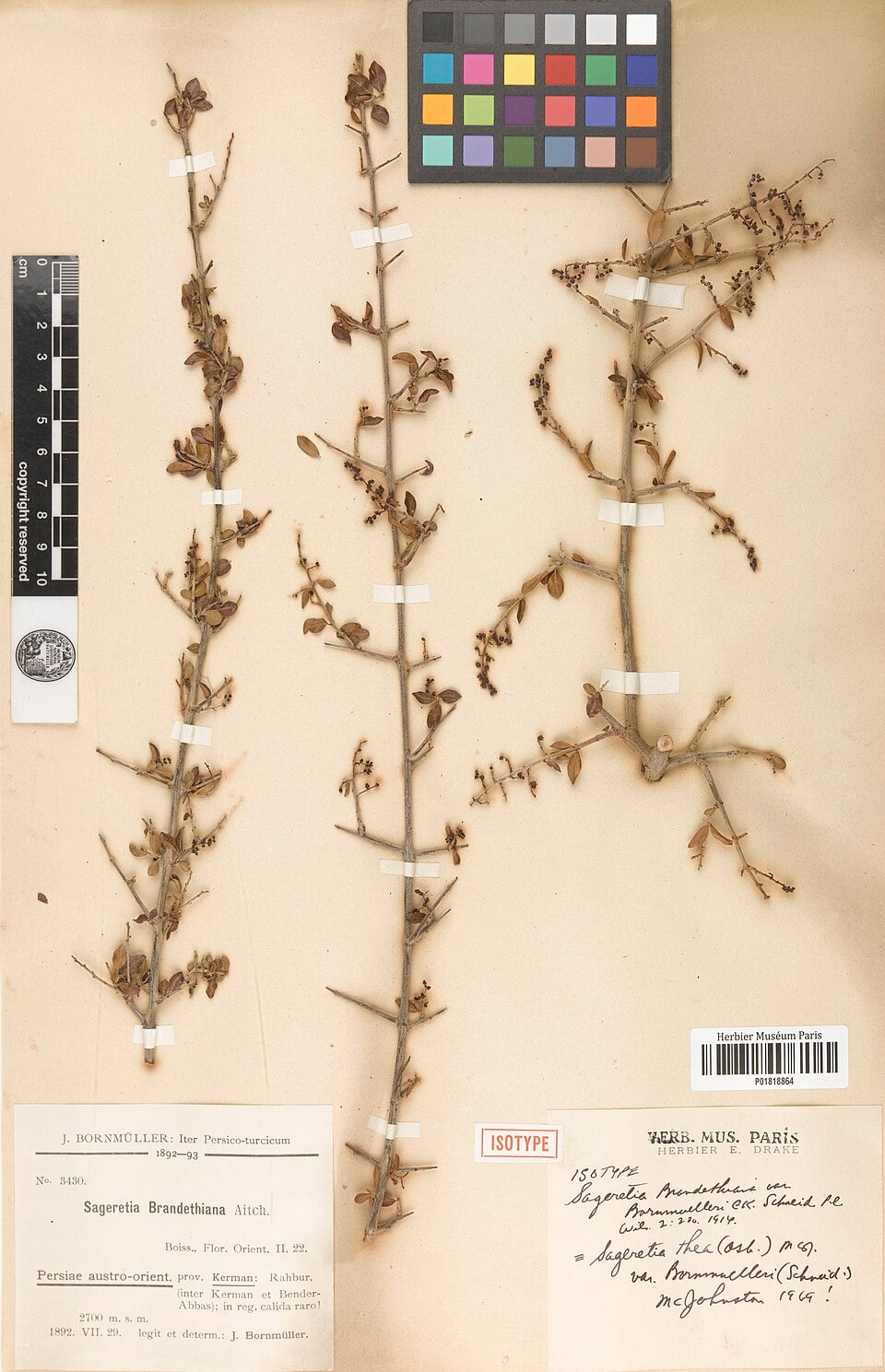
A medium sized tree. It is thorny. It loses many of its leaves during the year. It grows up to 10-12 m high. The bark is grey, brown or pale red. Branches and the under surface of the leaves are densely hairy when young. The thorns arise from the base of the leaves. The leaves are alternate and simple. They are finely toothed. They can be oval or round and 8 cm long by 5 cm wide. The flowers are green and have a scent. They occur as 3-5 flowers together. The flowers are 1-2 cm long and on slender branches. The fruit are small, oval and yellow or brown. They are sweet. They are 2-5 cm long and 2.5 cm wide. The fruit are green when young and turn yellow or brown when ripe. The pulp is fleshy, acid and edible. The fruit have one seed imbedded in the flesh in a hard stone. The fruit wrinkle on drying. Many varieties exist.
Edible Uses
The ripe fruit is eaten fresh, dried, candied, or made into jellies, preserves, chutney, sauces, and drinks. Unripe fruit are pickled. Young leaves are cooked and eaten or used in soups. Seed kernels are eaten raw or roasted as a coffee substitute. The fruit can also be used to make an alcoholic drink.
Traditional Uses
The ripe fruit is eaten fresh, dried, in jelly or candied. They can be used in jellies, preserves, chutney, sauces, and drinks. The unripe fruit are pickled. The ripe fruit are sliced or pounded and sun dried for storage. Young leaves are cooked and eaten. They are also used in soups. Seed kernels are eaten. The roasted seeds are used as a coffee substitute. The fruit are used to make an alcoholic drink. Caution: Alcohol is a cause of cancer.
Medicinal Uses
Jujube is both a delicious fruit and an effective herbal remedy. It aids weight gain, improves muscular strength and increases stamina. In Chinese medicine it is prescribed as a tonic to strengthen liver function. The dried fruits contain saponins, triterpenoids and alkaloids. They are anodyne, anticancer, antidote, expectorant, pectoral, refrigerant, sedative, stomachic, styptic and tonic. They are considered to purify the blood and aid digestion, and are used internally in the treatment of a range of conditions including chronic fatigue, loss of appetite, diarrhoea, pharyngitis, bronchitis, anaemia, irritability and hysteria. A mucilage made from the fruit is used to make bronchial pastilles. The seed contains a number of medically active compounds including saponins, triterpenes, flavonoids and alkaloids. It is hypnotic, narcotic, sialagogue, sedative, stomachic and tonic, and is used internally in the treatment of palpitations, insomnia, nervous exhaustion, night sweats and excessive perspiration. The root is used in the treatment of dyspepsia. A decoction of the root has been used in the treatment of fevers. The root is made into a powder and applied to old wounds and ulcers. The leaves are astringent and febrifuge. A decoction of the roasted leaves is an effective treatment for cough and asthma. The leaves are said to promote the growth of hair, and are used to form a plaster in the treatment of strangury. A poultice made from the pounded fresh leaves is active against boils and impetigo. The plant is a folk remedy for anaemia, hypertonia, nephritis and nervous diseases. It is widely used in China as a treatment for burns. Japanese research has shown that jujube increases immune-system resistance. In one clinical trial in China 12 patients with liver complaints were given jujube, peanuts and brown sugar nightly. In four weeks their liver function had improved.
Known Hazards
Alcohol made from the fruit is a cause of cancer.
Distribution
A tropical plant. It grows well on sandy soils. It can survive droughts. It grows rapidly in dry places such as the Sahel. It can tolerate temperatures up to 44°C as well as periodic frosts once the trees are mature. It does best when the mean annual temperature is 22-30°C. It thrives in hot dry climates and arid zones. It grows in the Sahel. It needs adequate water during the fruiting season. It can grow at elevations up to 1,000 m in the tropics but does best below 600 m. It suits the lowlands. It grows in areas with rainfalls of 150-900 mm and is most common where rainfalls are 300-500 mm annually. It does not like excessive humidity for fruiting. It will grow on a range of soils but deep sandy loams with a pH of 7 or slightly higher are best. It can tolerate some salinity and water-logging. It can grow in arid places. It grows in Miombo woodland in Africa. In Sichuan and Yunnan.
Where It Grows
Afghanistan, Africa, Algeria, Amazon, Andamans, Angola, Antigua and Barbuda, Asia, Australia, Bahamas, Bangladesh, Barbados, Belize, Benin, Bhutan, Botswana, Brazil, Burkina Faso, Cambodia, Cameroon, Cape Verde, Central Africa, Central America, Chad, China, Colombia, Congo, Costa Rica, Côte d'Ivoire, Cuba, Dominican Republic, East Africa, East Timor, Egypt, Eswatini, Ethiopia, Fiji, Gabon, Gambia, Ghana, Grenada, Guadeloupe, Guiana, Guianas, Guinea, Guinée, Guinea-Bissau, Guyana, Haiti, Hawaii, Himalayas, India, Indochina, Indonesia, Iran, Iraq, Ivory Coast, Jamaica, Kenya, Kuwait, Laos, Lesotho, Lesser Antilles, Libya, Madagascar, Malawi, Malaysia, Maldives, Mali, Martinique, Mauritania, Mauritius, Mediterranean, Middle East, Mozambique, Myanmar, Namibia, Nepal, Netherlands Antilles, Niger, Nigeria, North America, Northeastern India, NW India, Oman, Pacific, Pakistan, Panama, Philippines, Puerto Rico, Qatar, Reunion, Sahel, Sao Tome and Principe, SE Asia*, Senegal, Seychelles, Sierra Leone, Socotra, Somalia, South Africa, Southern Africa, South America, South Sudan, Sri Lanka, St. Vincent and Grenadines, Sudan, Suriname, Swaziland, Taiwan, Tanzania, Thailand, Timor-Leste, Trinidad-Togabo, Tunisia, Tuvalu, Uganda, USA, Venezuela, Vietnam, West Africa, West Indies, Zambia, Zimbabwe,
Cultivation
Plants are grown from seed. The hard seed coat makes them difficult to germinate. The shell can be carefully cracked and seed should be sown fresh. They can be soaked for 50 hours or put in concentrated sulphuric acid for 6 minutes to improve germination. Seed can be sown in plastic bags then transplanted after 18-24 weeks. It does not transplant easily so direct planting is best. Grafting and inarching can be used. It is also budded onto the rootstocks of wild species. Light pruning during the dry dormant season to train the tree is recommended. Regular pruning in the hot dry season encourages new growth. A spacing of 6-12 m is recommended. For larger fruit better varieties are grafted into rootstocks of Ziziphus nummularia or Ziziphus jujuba.
Propagation
Storage of the seed for 4 months to let it after-ripen improves germination. If facilities are available, stratification in sand for 60 - 90 days at 5°c is recommended. Scarification, extracting the seed from the stone, and treating it with sulphuric acid has also been recommended. To germinate, seeds need full sunlight. Seed should germinate in 3 - 4 weeks when the seed is left in stone, quicker if it is cracked, and only 1 week if it is carefully extracted. The seed should be sown in full light in trays or beds, and the seedlings pricked out when 2 pairs of true leaves have developed. It is likely that seedlings will need about 15 months in the nursery. Root cuttings.
Other Uses
The bark, including the root bark, contains tannins. The leaves are a source of tannins. When pounded and mashed in water, the bark yields brown and grey or reddish dyes. The heartwood is buff-coloured, pale red or brown to dark brown, sometimes banded or with dark streaks; it is not sharply demarcated from pale brown sapwood. The grain is straight, occasionally wavy; texture fine to coarse; wood fairly lustrous. The wood is medium to heavy in weight, hard, strong and durable. It seasons well but may split slightly during seasoning; easy to work and takes a high finish. The wood is used for general construction, furniture and cabinet work, tool handles, agricultural implements, tent pegs, golf clubs, gun stocks, sandals, yokes, harrows, toys, turnery, household utensils, bowling pins, baseball bats, chisels and packaging. It is also suitable for the production of veneer and plywood. Basically, any product that needs a durable, close-grained wood can be made from it. The wood produces excellent firewood (sapwood has 4,900 kcals/kg) and good charcoal. Its drooping branches are easily accessible for harvesting Plants have an extensive root system and can be used to aid in the fixation of coastal dune sand. The tree is useful as a living fence; its spiny stems and branches deter livestock.
Production
A budded tree fruits are 4 years and produces for 50 years. Seedling trees take a year longer to fruit. Yields of 80-130 kg of fruit per tree per year occur. Fruit development takes 4-6 months. As fruit does not all ripen at once several harvests are needed. Unripe fruit do not ripen after picking. In northeastern India trees flower between September and November and fruit in December and January.
Other Information
An important Indian fruit. It suits Sahel regions. It is an important food in the arid zones. They are high in Vitamin C. It is a commonly used fruit in West Africa. It is widely cultivated.
Notes
It is classified as a weed in Queensland. It has been badly affected by a mite in Kuwait but resistant types are available.
Nutrition
| Part | Moisture | kJ | kcal | Protein | Vit A | Vit C | Iron | Zinc |
|---|---|---|---|---|---|---|---|---|
| Fruit dry | 17.4 | 1201 | 287 | 4.3 | — | — | — | — |
| Fruit | 77 | 360 | 86 | 0.8 | 21 | 71 | 0.4 | 0.4 |
| Leaves | — | — | — | — | — | — | — | — |
Synonyms
Also Known As
Ai-lok, Ajapriya, Angaw, Badara, Badari, Baer, Baher, Bair, Bak tai noi, Barkoli, Bayar, Bayer, Ber, Bera, Beri, Bodokoli, Bodori, Bogori, Boir, Bokuri, Bor, Borai, Bordi, Boroi, Bwigri, Chinese Apple, Chinese-date, Cottony jujube, Dao, Desert apple, Djabi, Dunks, Elandai, Elanji, Elanthai, Elentha, Elladu, Esilang, Gangareegu, Geba, Gob, Gol kul, Gusura, Hilvid, Ilanthai, Indian-cherry, Indian-plum, Jangali bayar, Janum beli, Kapulai, Karakandhavu, Karkana, Karkandhu, Kashi kunnaaru, Keeju, Kenar, Kie, Kok ka than, Kolan, Korna, Korno, Kul, Kunnaaru, Kuvala, Lanthai, Mada bera, Madhuraphala, Madian, Magaria, Magarya, Malay jujube, Masan, Masawo, Mkunazi, Msawu, Msondoka, Mtanula, Mtungutu, Mugunuga, Mussao, Nabak, Ngai-chi, Nkunazi, Olongo, Putrie, Quraqura, Reegu, Renga, Sidr, Silka, Soh-broi, Tao nha, Thaigungdi, Thakri, Than, Tilak, Tilomwo, Tirokwo, Tomborom, Yalachi, Yellande, Zornia
References (192)
- Abbiw, D.K., 1990, Useful Plants of Ghana. West African uses of wild and cultivated plants. Intermediate Technology Publications and the Royal Botanic Gardens, Kew. p 42
- Acharya K. P. and Acharya, R., 2010, Eating from the Wild: Indigenous knowledge on wild edible plants in Parroha VDC of Rupandehi District, Central Nepal. International Journal of Social Forestry. 3(1):28-48
- Akinnifesi, F. K., et al, 2006, Towards the development of Miombo fruit trees as commercial crops in Southern Africa. Forests, Trees and Livelihoods. Vol. 16 pp 1-3-121
- Ambasta, S.P. (Ed.), 2000, The Useful Plants of India. CSIR India. p 702
- Ambe, G., 2001, Les fruits sauvages comestibles des savanes guinéennes de Côte-d’Ivoire : état de la connaissance par une population locale, les Malinké. Biotechnol. Agron. Soc. Environ. 5(1), 43-48
Show all 192 references Hide references
- Anderson, E. F., 1993, Plants and people of the Golden Triangle. Dioscorides Press. p 224
- Arinathan, V., et al, 2007, Wild edibles used by Palliyars of the western Ghats, Tamil Nadu. Indian Journal of Traditional Knowledge. 6(1) pp 163-168
- Arora, R. K., 2014, Diversity in Underutilized Plant Species - An Asia-Pacific Perspective. Bioversity International. p 90
- Aryal, K. P. et al, 2009, Uncultivated Plants and Livehood Support - A case study from the Chepang people of Nepal. Ethnobotany Research and Applications. 7:409-422
- Asfaw, Z. and Tadesse, M., 2001, Prospects for Sustainable Use and Development of Wild Food Plants in Ethiopia. Economic Botany, Vol. 55, No. 1, pp. 47-62
- Ayantunde, A. A., et al, 2009, Uses of Local Plant Species by Agropastoralists in South-western Niger. Ethnobotany Research and Applications. Vol. 7: 53-66
- Bajpai, O., et al, 2015, Tree species of the Himalayan Terai region of Uttar Pradesh, India: a checklist. Check List 11(4): 1718
- Baishya, S. Kr., et al, 2013, Survey of Wild Edible Fruits of Dhubri District, Assam, India. Plant Archives Vol 13 (1): 155-158
- Balemie, K., & Kebebew, F., 2006, Ethnobotanical study of wild edible plants in Derashe and Kucha Districts, South Ethiopia. Journal of Ethnobiology and Ethnomedicine. 2:53
- Banerjee, A., et al, 2013, Ethnobotanical Documentation of Some Wild Edible Plants in Bankura District, West Bengal, India. The Journal of Ethnobiology and Traditional Medicine. Photon 120 (2013) 585-590
- Barkatullah, et al, 2009, Ethnobotanical studies of plants of Charkotli Hills, Batkhela District, Malakand, Pakistan. Front. Biol. China 2009, 4(4): 539–548
- Barwick, M., 2004, Tropical and Subtropical Trees. A Worldwide Encyclopedic Guide. Thames and Hudson p 429
- Basha, S. K. M., Ethnobotanical Trees of Sri Lanka Malleswara Wildlife Sanctuary; Eastern Ghats, Andhra Pradesh.
- Bekele-Tesemma A., Birnie, A., & Tengnas, B., 1993, Useful Trees and Shrubs for Ethiopia. Regional Soil Conservation Unit. Technical Handbook No 5. p 452
- Belem, B., et al, 2007, Use of Non Wood Forest Products by local people bordering the “Parc National Kaboré Tambi”, Burkina Faso. The Journal of Transdisciplinary Environmental Studies vol. 6, no. 1 p 9
- Belem, M., et al, 2017, Strategy of Conservation and Protection of Wild Edible Plants Diversity in Burkina Faso. ANADOLU 27 (2) 2017, 82- 90
- Bernholt, H. et al, 2009, Plant species richness and diversity in urban and peri-urban gardens of Niamey, Niger. Agroforestry Systems 77:159-179
- Blench, R., 2004, Fruits and Arboriculture in the Indo-Pacific Region. Indo-Pacific Prehistory Association Bulletin 24. (Taipei Papers Volume 2) p 41
- Bodkin, F., 1991, Encyclopedia Botanica. Cornstalk publishing, p 1036
- Bohra, N., et al, 2017, Ethnobotany of wild edible plants traditionally used by the local people in the Ramnagar regions from Nainital District, Uttarakhand, India. Biolife 5(1): 12-19
- Bole, P.V., & Yaghani, Y., 1985, Field Guide to the Common Trees of India. OUP p 55
- Bonou, A., et al, 2013, Valeur economique des Produits Forestiers Non Ligneux (PFNL) au Benin. Editions Universitaires Europeennes p 98
- Brahma, S., et al, 2013, Wild edible fruits of Kokrajhar district of Assam, North-East India, Asian Journal of Plant Science and Research 3(6):95-100
- Bruschi, P., et al, 2014, Traditional use of plants in a rural community of Mozambique and possible links with Miombo degradation and harvesting sustainability. Journal of Ethnobiology and Ethnomedicine. 2014, 10:59
- Bunderson, W. T. et al, 2002, Common Agroforestry Species in Malawi. Malawi Agroforestry Extension Project, Pubication No. 46, Lilongwe. p 46
- Burkill, H. M., 1985, The useful plants of west tropical Africa, Vol. 4. Kew.
- Chakraborty, S. & Chaturbedi, H. P., 2014, Some Wild Edible Fruits of Tripura- A Survey. Indian Journal of Applied research. (4) 9
- Chandrakumar, P., et al, 2015, Ethnobotanical studies of wild edible plants of Gond, Halba and Kawar tribes of Salekasa Taluka, Gondia District, Maharashtra State, India. International Research Journal of Pharmacy 6(8)
- Chandrashekara, U. M., 2009, Tree species yielding edible fruit in the coffee-based homegardens of Kerala, India: their diversity, uses and management. Food Sec. 1:361-370
- Chatterjee, A. S., 1997, Fruit Trees in Cambodian Home Gardens. Trainers' training manual. Home garden series No.3 p 13
- Chauhan, S. H., et al, 2018, Consumption patterns of wild edibles by the Vasavas: a case study from Gujarat, India. Journal of Ethnobiology and Ethnomedicine (2018) 14:5
- Chin, H.F., & Yong, H.S., 1996, Malaysian Fruits in Colour. Tropical press, Kuala Lumpur p 66
- Choudhary, S., 1999, Ethnobotany of Janjangbureh Island, The Gambia, West Africa. Honors thesis Dept. Biology City University of New York.
- Chowdery, T., et al, 2014, Wild edible plants of Uttar Dinajpur District, West Bengal. Life Science Leaflets. 47:pp 20-36 http://lifesciencesleaflets.ning.com
- Chowdhury, M. & Mukherjee, R., 2012, Wild Edible Plants Consumed by Local Communities of Maldah of West Bengal, India. Indian J.Sci.Res.3(2) : 163-170
- Condit, R., et al, 2011, Trees of Panama and Costa Rica. Princeton Field Guides. p 378
- Cooper, W. and Cooper, W., 2004, Fruits of the Australian Tropical Rainforest. Nokomis Editions, Victoria, Australia. p 426
- Cribb, A.B. & J.W., 1976, Wild Food in Australia, Fontana. p 61
- Cruz-Garcia, G. S., & Price, L. L., 2011, Ethnobotanical investigation of 'wild' food plants used by rice farmers in Kalasin, Northeast Thailand. Journal of Ethnobiology and Ethnomedicine 7:33
- Dale, I. R. and Greenway, P. J., 1961, Kenya Trees and Shrubs. Nairobi. p 394
- Darley, J.J., 1993, Know and Enjoy Tropical Fruit. P & S Publishers. p 130
- Das, S. and De, B., 2013, Evaluation of Angiotension I-Converting Enzyme (ACE) inhibitory potential of some underutilized indigenous fruits of West Bengal using an in vitro model. Fruits, Vol. 68:499-506
- Das, T. & Das, A. K., 2005, Inventorying plant biodiversity in homegardens: A case study in Barak Valley, Assam, North East India. CURRENT SCIENCE, VOL. 89, NO. 1, 10 JULY 2005
- Dharani, N., 2002, Field Guide to common Trees & Shrubs of East Africa. Struik. p 186
- Djihounouck, Y., et al, 2018, Diversité Et Importance Socio-Economique Des Espèces Fruitières Sauvages Comestibles En Zone Kasa (Sud-Ouest Du Sénégal). European Scientific Journal December 2018 edition Vol.14, No.36 ISSN: 1857 – 7881
- Dobriyal, M. J. R. & Dobriyal, R., 2014, Non Wood Forest Produce an Option for Ethnic Food and Nutritional Security in India. Int. J. of Usuf. Mngt. 15(1):17-37
- Duarte, M. C., et al, 2022, Diversity of Useful Plants in Cabo Verde Islands: A Biogeographic and Conservation Perspective. Plants 2022, 11, 1313 p 7
- Ethnobotanical Study of Tehsil Kabal, Swat District, KPK, Pakistan, Table 1
- Ethnobotany of Karbis. Chapter 4 in p 106
- Facciola, S., 1998, Cornucopia 2: a Source Book of Edible Plants. Kampong Publications, p 192
- FAO, 1988, Traditional Food Plants, FAO Food and Nutrition Paper 42. FAO Rome p 531
- Flora of Pakistan. www.eFloras.org
- Food Composition Tables for use in East Asia FAO http://www.fao.org/infoods/directory No. 886
- Fowler, D. G., 2007, Zambian Plants: Their Vernacular Names and Uses. Kew. p 54
- Fox, F. W. & Young, M. E. N., 1982, Food from the Veld. Delta Books. p 315
- Friday, J. B., 2005, Forestry and Agroforestry Trees of East Timor. http://www.ctahr.hawaii.edu/forestry/data/Timor/Timor trees.html
- Gaisberger, H., et al, 2017, Spatially explicit multi-threat assessment of food tree species in Burkina Faso: A fine-scale approach. PLoS ONE 12 (9): e0184457
- Gallagher, D. E., 2010, Farming beyond the escarpment: Society, Environment, and Mobility in Precolonial Southeastern Burkina Faso. PhD University of Michigan.
- Garner, R.J., and Chaudhri, S.A., (Ed.) 1976, The Propagation of Tropical fruit Trees. FAO/CAB. p 554
- Gardner, S., et al, 2000, A Field Guide to Forest Trees of Northern Thailand, Kobfai Publishing Project. p 130
- Gautam, R. S., et al, 2020, Wild Edible Fruits of Nepal. Int. J. Appl. Sci. Biotechnol. Vol 8(3): 289-304
- Gilbert, T., et al, 2017, Diversity and local transformation of indigenous edible fruits in sahelian domain of Cameroon. Journal of Animal & Plant Sciences Vol. 26 (2): 5289-5300
- Goode, P., 1989, Edible Plants of Uganda. FAO p 30
- Grivetti, L. E., 1980, Agricultural development: present and potential role of edible wild plants. Part 2: Sub-Saharan Africa, Report to the Department of State Agency for International Development. p 41, 72
- Gueye, M., et al, 2014, Wild Fruits Traditionally Gathered by the Malinke Ethnic Group in the Edge of Niokolo Koba Park (Senegal). American Journal of Plant Sciences 5, 1306-1317
- Guinko, S. & Pasgo, L. J., Harvesting and marketing of edible products from local woody species in Zitenga, Burkina Faso. Unasylva - No. 168
- Hanawa, Y., 2013, Wild edible plants used by Guiziga people of far north region of Cameroon. Int. J. Med. Arom. Plants. Vol 3 (2) : 136-143
- Hani Medicine of Xishuangbanna, 1999, p 427
- Harris, F. M. A. and Mohammed, S., 2003, Relying on Nature: Wild Foods in Northern Nigeria. Ambio Vol. 32 No. 1. p 25-30
- Hazarika, B. et al. (2020). An overview of the unexplored underutilized fruit crops of Assam, India. Journal of Applied and Natural Science, 12(3): 442 - 453.
- Hearne, D.A., & Rance, S.J., 1975, Trees for Darwin and Northern Australia. AGPS, Canberra p 114, Pl 36
- Hibbert, M., 2002, The Aussie Plant Finder 2002, Florilegium. p 311 (? As Ziziphus mauritanica)
- Hussey, B.M.J., Keighery, G.J., Cousens, R.D., Dodd, J., Lloyd, S.G., 1997, Western Weeds. A guide to the weeds of Western Australia. Plant Protection Society of Western Australia. p 206
- Hu, Shiu-ying, 2005, Food Plants of China. The Chinese University Press. p 532
- Ibrahim, H. A., et al, 2012, Ethnobotanical Survey of the Wild Edible Food Plants Consumption among Local Communities in Kano State, North-Western, Nigeria, International Journal of Science and Technology. Vol. 2. No. 10 p 716
- INFOODS:FAO/INFOODS Databases
- Jadhav, R., et al, 2015, Forest Foods of Northern Western Ghats: Mode of Consumption, Nutrition and Availability. Asian Agri-History Vol. 19, No. 4: 293-317
- Jardin, C., 1970, List of Foods Used In Africa, FAO Nutrition InInformation and broadcasting. India. p 27
- JSTOR Global Plants edible
- Kala, C. P., 2007, Prioritization of cultivated and wild edibles by local people in the Uttaranchal hills of Indian Himalaya. Indian Journal of Traditional Knowledge. 6(1) pp 239-244
- Kar, A., et al, 2013, Wild Edible Plant Resources used by the Mizos of Mizoram, India. Kathmandu University Journal of Science, Engineering and Technology. Vol. 9, No. 1, July, 2013, 106-126
- Khan, D. & Shaukat, S.S., 2006, The Fruits of Pakistan: Diversity, Distribution, Trends of Production and Use. Int. J. Biol. Biotech., 3(3):463-499
- Kiran, K. C., et al, 2019, Diversity and Seasonal Availability of Potential Wild Edible Plants from Vidarbha Region of Maharashtra State, India. Int.J.Curr.Microbiol.App.Sci (2019) 8(2): 1434-1446
- Lalfakzuala, R., 2007, Ethnobotanical usages of plants in western Mizoram. Indian Journal of Traditional Knowledge. Vol 6(3) pp 480-493
- Lamien-Meda, A., et al, 2008, Polyphenol Content and Antioxidant Activity of Fourteen Wild Edible Fruits from Burkina Faso. Molecules 2008,13, 581-594
- Le Houerou, H. N., (Ed.), 1980, Browse in Africa. The current state of knowledge. International Livestock Centre for Africa, Ethiopia. p 163
- Little, E. L., et al, 1974, Trees of Puerto Rico and the Virgin Islands. USDA Handbook 449. Forestry Service. p 506
- Lulekal, E., et al, 2011, Wild edible plants in Ethiopia: a review on their potential to combat food insecurity. Afrika Focus - Vol. 24, No 2. pp 71-121
- Mahony, D., 1991, Trees of Somalia. A Field Guide for Development Workers. Oxfam Research Paper 3. p 9
- Martin, F. W., et al, 1987, Perennial Edible Fruits of the Tropics. USDA Handbook 642 p 53
- Marwat, S. K., 2011, Medico-ethnobotanical studies of edible wild fruit plants species from the flora of northwestern Pakistan (D. I. Khan district). Journal of Medicinal Plants Research Vol. 5(16) pp 3679-3686
- Medhi, P. & Borthakur, S. K., 2012, Phytoresources from North Cachur Hills of Assam -3: Edible plants sold at Hflong market. Indian Journal of Natural Products and Resources. 3(1) pp 84-109
- Melzer, R. & Plumb, J., 2011, Plants of Capricornia. Belgamba, Rockhampton. p 538
- Miguel, E., et al, 1989, A checklist of the cultivated plants of Cuba. Kulturpflanze 37. 1989, 211-357
- Milow, P., et al, 2013, Malaysian species of plants with edible fruits or seeds and their evaluation. International Journal of Fruit Science. 14:1, 1-27
- Misra S. & Misra M., 2016, Ethnobotanical and Nutritional Evaluation of Some Edible Fruit Plants of Southern Odisha, India. International Journal of Advances in Agricultural Science and Technology, Vol.3 Issue.1, March- 2016, pg. 1-30
- Misra, S., 2018, Ethno Botany and Nutritional Status of Some Edible Plants of South Odisha, India. International Journal of Advances in Agricultural Science and Technology, Vol.5 Issue.2, February- 2018, pg. 21-32
- Miya, M. S. & Gautum, D., 2021, Checklist of floral species at the Institute of Forestry, Pokhara Campus, Pokhara, Nepal. Journal of Institute of Forestry, Nepal 18 (2021) 133-177
- Moksia, F., et al, 2019, Diversity and Socio-Economic Value of Wild Edible Plants in the Mounts Mandara Region, Cameroon. International Journal of Sciences. Vol. 8:10
- Morton, J. F., 1987, Fruits of Warm Climates. Wipf & Stock Publishers p 272
- Mukhia, P.K., et al, 2013, Wild plants as Non Wood Forest Products used by the rural community of Dagana, a southern foothill district of Bhutan, SAARC Journal, 27 pages
- Murtem, G. & Chaudhrey, P., 2016, An ethnobotanical note on wild edible plants of Upper Eastern Himalaya, India. Brazilian Journal of Biological Sciences, 2016, v. 3, no. 5, p. 63-81.
- Mutie, F. M., et al, 2023, Important Medicinal and Food Taxa (Orders and Families) in Kenya, Based on Three Quantitative Approaches. Plants 2023, 12, 1145
- Natuhara, Y., et al, 2011, Uses of trees in paddy fields in Champasak Province, Southern Lao PDR. Landscape and Ecological Engineering. p 8
- Nayaham, M. C., et al, 1993, Less Known Edible Fruit - Yielding plants of Nilgiris. Ancient Science of Life. Vol. X11 Nos. 3 & 4, pp 363-376
- Norton, J., et al, 2009, An Illustrated Checklist of the Flora of Qatar. UNESCO Office in Doha.
- NYBG herbarium "edible"
- Pandy, R. K. & Saini, S. K., 2007, Edible plants of tropical forests among tribal communities of Madhya Pradesh. Indian Journal of Traditional Knowledge. 6(1), pp 185-190
- Patiri, B. & Borah, A., 2007, Wild Edible Plants of Assam. Geethaki Publishers. p 26
- Paul, A., 2013, Minor and uncultivated fruits of Eastern India, 2nd International Symposium on Minor Fruits and Medicinal Plants
- Paz, F. S., et al, 2021, Edible Fruit Plant Species in the Amazon Forest Rely Mostly on Bees and Beetles as Pollinators. Journal of Economic Entomology, XX(XX), 2021, 1–13
- Pegu, R., et al, 2013, Ethnobotanical study of Wild Edible Plants in Poba Reserved Forest, Assam, India. Research Journal of Agriculture and Forestry Sciences 1(3):1-10
- Peduruhewa, P. S., et al, 2021, Potential of Underutilized Wild Edible Plants as the Food for the Future – A Review. Journal of Food Security, Vol. 9, No. 4, 136-147
- Prins, H. & Maghembe, J. A., 1994, Germination studies on seed of fruit trees indigenous to Malawi. Forest Ecology and Management 64:111-125
- Ramachandran, V. S., 2007, Wild edible plants of the Anamalais, Coimbatore district, western Ghats, Tamil Nadu. Indian Journal or Traditional Knowledge. 6(1) pp 173-176
- Raebild, A., et al, 2010, Advances in domestication of indigenous fruit trees in the West African Sahel. New Forests (2011) 41:297–315
- Rasingam, L., 2012, Ethnobotanical studies on the wild edible plants of Irula tribes of Pillur Valley, Coimbatore district, Tamil Nadu, India. Asian Pacific Journal of Tropical Biomedicine. (2012) S1493-S1497
- Roa, J. A. G. & Boada, D. S. G., 2018, Fundación para el Fortalecimiento de la Fruticultura y Plantas Alimenticias no Convencionales en Colombia.
- Royal Botanic Gardens, Kew (1999). Survey of Economic Plants for Arid and Semi-Arid Lands (SEPASAL) database. Published on the Internet; http://www.rbgkew.org.uk/ceb/sepasal/internet [Accessed 10th June 2011]
- Ruffo, C. K., Birnie, A. & Tengnas, B., 2002, Edible Wild Plants of Tanzania. RELMA p 738
- Ruiters-Welcome, A. K., 2019, Food plants of southern Africa. Ph.D. thesis. Univ. of Johannesburg p 94
- Salvi, J. et al, 2016, A review: Underutilized wild edible plants as a potential source of alternative nutrition. International Journal of Botany Studies. Volume 1; Issue 4; May 2016; Page No. 32-36
- Sambou, A., et al, 2016, The contribution of trees and palms to a blanced diet in three rural villages of the Fatick Province, Senegal. FORESTS, TREES AND LIVELIHOODS, 2016 VOL. 25, NO. 3, 212–225
- Sarma, H., et al, 2010, Updated Estimates of Wild Edible and Threatened Plants of Assam: A Meta-analysis. International Journal of Botany 6(4): 414-423
- Sharma, P., et al, 2013, Wild edibles of Murari Devi and surrounding areas in Mandi district of Himachal Pradesh, India. International Journal of Biodiversity and Conservation. Vol. 5(9), pp. 580-592, September 2013
- Smith, K., 1998. Growing Uncommon Fruits and Vegetables. New Holland. p 80
- Smith, N., Mori, S.A., et al, 2004, Flowering Plants of the Neotropics. Princeton. Plate 40 (Photo)
- Stanley, T. D. & Ross, E. M., 1986, Flora of south-eastern Queensland Volume 2. Queensland Government p 42
- Sujanapal, P., & Sankaran, K. V., 2016, Common Plants of Maldives. FAO & Kerala FRI, p 285
- Swaminathan, M.S., and Kochnar, S.L., 2007, An Atlas of Major Flowering Trees in India. Macmillan. p 86
- Tankard, G., 1990, Tropical fruit. An Australian Guide to Growing and using exotic fruit. Viking p 108
- Termote, C., et al, 2014, Assessing the potential of wild foods to reduce the cost of a nutritionally adequate diet: An example from eastern Baringo District, Kenya. Food and Nutrition Bulletin, vol. 35, no. 4
- Terra, G.J.A., 1973, Tropical Vegetables. Communication 54e Royal Tropical Institute, Amsterdam, p 83
- Thapa, L. B., et al, 2014, Wild Edible Plants used by endangered and Indigenous Raji Tribe in Western Nepal. International Journal of Applied Sciences and Biotechnology. Vol 2(3):243-252
- Tredgold, M.H., 1986, Food Plants of Zimbabwe. Mambo Press. p 139
- USDA, ARS, National Genetic Resources Program. Germplasm Resources Information Network - (GRIN). [Online Database] National Germplasm Resources Laboratory, Beltsville, Maryland. Available: www.ars-grin.gov/cgi-bin/npgs/html/econ.pl (10 April 2000)
- Woodson, R. E., et al, 1971, Flora of Panama. Part 4. Family 111. Rhamnaceae. Annals of the Missiouri Botanical garden. Vol. 58. No. 3, p 278
- van Wyk, B, van Wyk, P, and van Wyk B., 2000, Photographic guide to Trees of Southern Africa. Briza. p 10
- van Wyk, B., 2005, Food Plants of the World. An illustrated guide. Timber press. p 391
- Vivien, J., & Faure, J.J., 1996, Fruitiers Sauvages d'Afrique. Especes du Cameroun. CTA p 270
- Williamson, J., 2005, Useful Plants of Malawi. 3rd. Edition. Mdadzi Book Trust. p 284onal Food Plants of Kenya. National Museum of Kenya. 288p
- Maydell, H. von, 1990 Trees and shrubs of the Sahel: their characteristics and uses. Margraf. p 401
- Mbuya, L.P., Msanga, H.P., Ruffo, C.K., Birnie, A & Tengnas, B., 1994, Useful Trees and Shrubs for Tanzania. Regional Soil Conservation Unit. Technical Handbook No 6. p 520
- Mertz, O., Lykke, A. M., and Reenberg, A., 2001, Importance and Seasonality of Vegetable Consumption and Marketing in Burkina Faso. Economic Botany, 55(2):276-289
- Milson, J., 2000, Trees and Shrubs of north-west Queensland. DPI p 272
- Misra, S., 2020, Survey of edible plants for human consumption in south Odisha, India. Journal of Emerging Technologies and Innovative Research (JETIR) Vol. 7, Issue 12 p 292
- Molla, A., Ethiopian Plant Names. http://www.ethiopic.com/aplants.htm
- Morton,
- Omawale, 1973, Guyana's edible plants. Guyana University, Georgetown p 15
- Paczkowska, G . & Chapman, A.R., 2000, The Western Australian Flora. A Descriptive Calatogue. Western Australian Herbarium. p 511
- Palgrave, K.C., 1996, Trees of Southern Africa. Struik Publishers. p 550
- Phon, P., 2000, Plants used in Cambodia. © Pauline Dy Phon, Phnom Penh, Cambodia. p 645
- Plants of Haiti Smithsonian Institute http://botany.si.edu/antilles/West Indies
- Purseglove, J.W., 1968, Tropical Crops Dicotyledons, Longmans. p 642
- Reddy, B. M., 2012, Wild edible plants of Chandrapur district, Maharashtra, India. Indian Journal of Natural Products and Resources. 3(1) pp 110-117
- Sahni, K.C., 2000, The Book of Indian Trees. Bombay Natural History Society. Oxford. p 59
- Sasi, R. & Rajendran, A., 2012, Diversity of Wild Fruits in Nilgiri Hills of the Southern Western Ghats - Ethnobotanical Aspects. IJABPT, 3(1) p 82-87
- Sawian, J. T., et al, 2007, Wild edible plants of Meghalaya, North-east India. Natural Product Radiance Vol. 6(5): p 423
- Selvam, V., 2007, Trees and shrubs of the Maldives. RAP Publication No. 2007/12 p 174
- Sena, L. P., et al, 1998, Analysis of nutritional components of eight famine foods of the Republic of Niger. Plant Foods for Human Nutrition 52: 17–30
- Sharma, B.B., 2005, Growing fruits and vegetables. Publications Division. Ministry of Information and broadcasting. India. p 27
- Sher, H. et al, 2011, Ethnobotanical and Economic Observations of Some Plant Resources from the Northern Parts of Pakistan. Ethnobotany research & Applications 9:027-041
- Smith, K., 1998. Growing Uncommon Fruits and Vegetables. New Holland. p 80
- Smith, N., Mori, S.A., et al, 2004, Flowering Plants of the Neotropics. Princeton. Plate 40 (Photo)
- Swaminathan, M.S., and Kochnar, S.L., 2007, An Atlas of Major Flowering Trees in India. Macmillan. p 86
- Tankard, G., 1990, Tropical fruit. An Australian Guide to Growing and using exotic fruit. Viking p 108
- Teron, R. & Borthakur, S. K., 2016, Edible Medicines: An Exploration of Medicinal Plants in Dietary Practices of Karbi Tribal Population of Assam, Northeast India. In Mondal, N. & Sen, J.(Ed.) Nutrition and Health among tribal populations of India. p 154
- Terra, G.J.A., 1973, Tropical Vegetables. Communication 54e Royal Tropical Institute, Amsterdam, p 83
- Thaman, R. R, 2016, The flora of Tuvalu. Atoll Research Bulletin No. 611. Smithsonian Institute p 108
- Tiwi Plants and Animals. 2001, Aboriginal flora and fauna knowledge from Bathurst and Melville Islands, northern Australia. Northern Territory Botanical Bulletin; No. 24 p 90
- Tomar, A., Kumar, A., & Dubey, K., 2002, Underutilized Wild Edible fruits of Nutritional and Medicinal Value. J. Res. Educ. Indian Med., Vol XX1
- Toppo, P. et al, 2016, Wild edible plants of Dhamtari district of Chhattisgarh, India. Van Sangyan Vol. 3, No. 4
- Tredgold, M.H., 1986, Food Plants of Zimbabwe. Mambo Press. p 139
- Upreti, K., et al, 2010, Diversity and Distribution of Wild Edible Fruit Plants of Uttarakhand. Bioversity Potentials of the Himalaya. p 194
- Uprety, Y., et al, 2012, Diversity of use and local knowledge of wild edible plant resources in Nepal. Journal of Ethnobotany and Ethnomedicine 8:16
- USDA, ARS, National Genetic Resources Program. Germplasm Resources Information Network - (GRIN). [Online Database] National Germplasm Resources Laboratory, Beltsville, Maryland. Available: www.ars-grin.gov/cgi-bin/npgs/html/econ.pl (10 April 2000)
- Walsh, M., 2009, The Use of Wild and Cultivated Plants as famine Foods on Pemba Island, Zanzibar. Études océan Indien. 42-43
- Welcome, A. K. & Van Wyk, B.-E., 2019, An inventory and analysis of the food plants of southern Africa. South African Journal of Botany 122 (2019) 136–179
- Westerway, J., et al, 2018, Preliminary checklist of the naturalised and pest plants of Timor-Leste. Blumea 63:157-163
- Woodson, R. E., et al, 1971, Flora of Panama. Part 4. Family 111. Rhamnaceae. Annals of the Missiouri Botanical garden. Vol. 58. No. 3, p 278
- van Wyk, B, van Wyk, P, and van Wyk B., 2000, Photographic guide to Trees of Southern Africa. Briza. p 10
- van Wyk, B., 2005, Food Plants of the World. An illustrated guide. Timber press. p 391
- Vivien, J., & Faure, J.J., 1996, Fruitiers Sauvages d'Afrique. Especes du Cameroun. CTA p 270
- Wiersema, J. H. & Leon, B., 2013, World Economic Plants. A Standard Reference CRC Press. 2nd Ed. p 736
- Williamson, J., 2005, Useful Plants of Malawi. 3rd. Edition. Mdadzi Book Trust. p 284
- World Checklist of Useful Plant Species 2020. Royal Botanic Gardens, Kew
- www.worldagroforestrycentre.org/treedb/