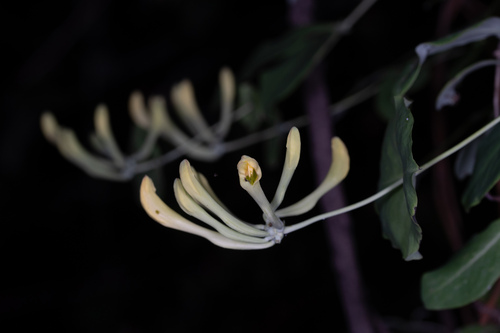
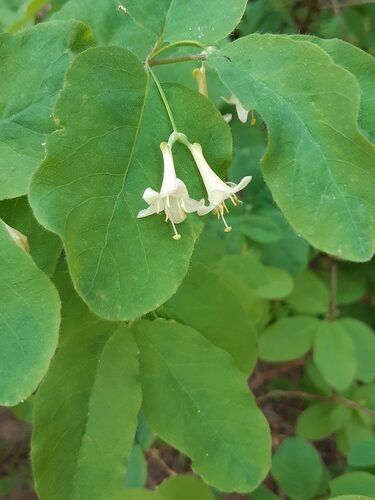
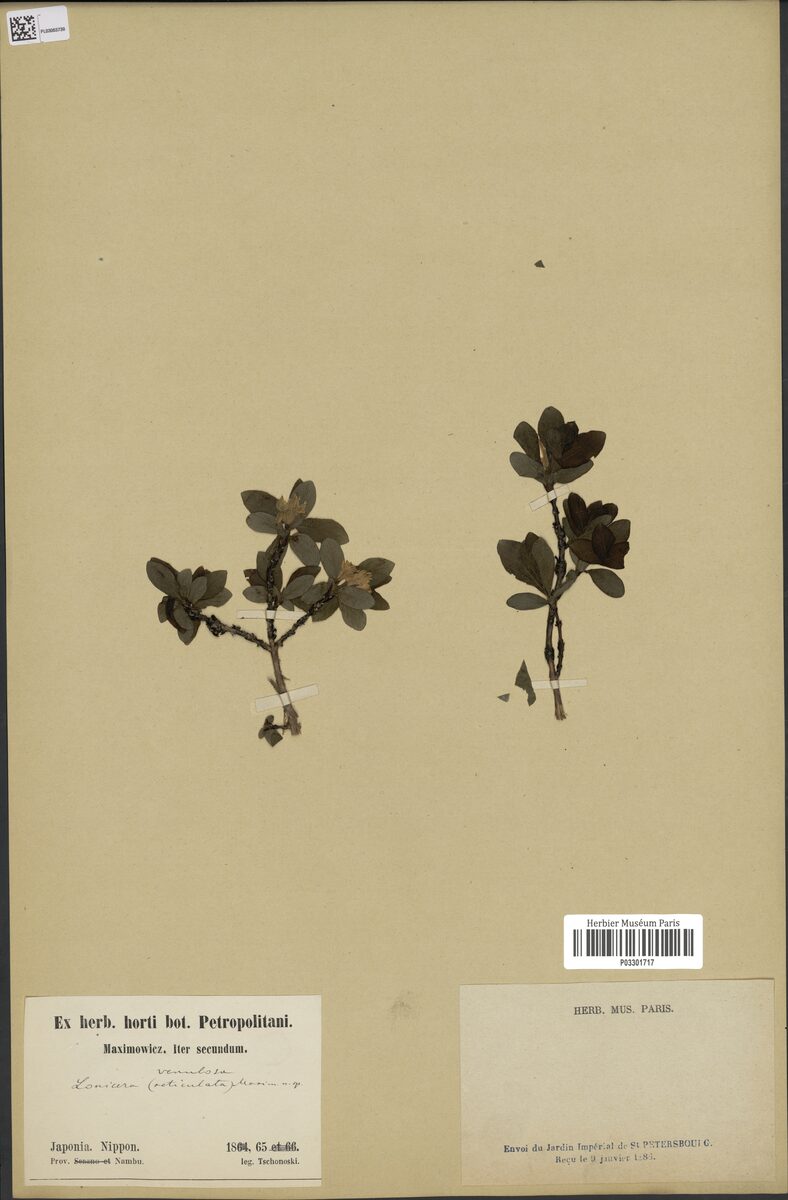
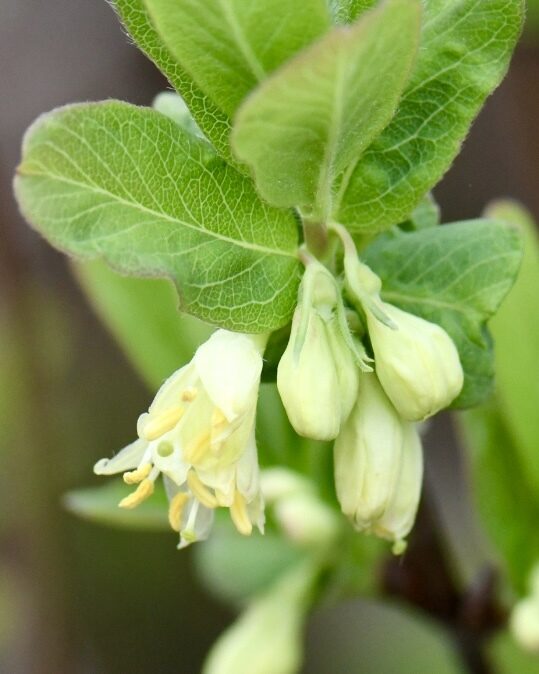
Weigela hortensis
(Siebold & Zucc.) K. Koch
iNaturalist· cc-by-sa
(c) Qwert1234, some rights reserved (CC BY-SA)
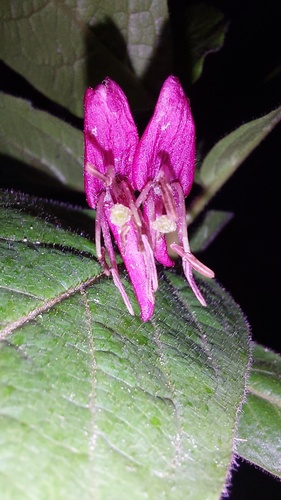
iNaturalist· cc-by-nc
(c) Keita Watanabe, some rights reserved (CC BY-NC)
Summary
Source: WikipediaWeigela hortensis is a species of flowering plant in the family Caprifoliaceae, native to Hokkaido and Honshu islands of Japan. A rounded shrub reaching 10 ft (3 m), and hardy in USDA zones 6 through 9, it is occasionally found in commerce.
Description
A shrub. It grows 3 m high and spreads 3 m wide. The leaves are 10 cm long and have teeth. They are downy underneath. The flowers are rose pink. They are 35 mm long and in clusters of 3 flowers.
Edible Uses
Young leaves can be cooked and eaten, though they are considered a famine food used only when all else fails. The leaves are also used to make a tea.
Medicinal Uses
None known
Distribution
It is a temperate plant. It suits hardiness zones 7-9.
Where It Grows
Asia, Australia, Japan, Slovenia,
Propagation
Sow seed in a cold frame as soon as it is ripe if possible, otherwise in late winter or early spring. Prick seedlings into individual pots when large enough to handle and grow on in a cold frame for their first winter, then plant out in late spring or early summer. Softwood basal cuttings, 10–12cm long, can be taken in early summer and rooted in sandy soil in a cold frame. Half-ripe cuttings, 8–10cm with a heel, can be taken in July or August and rooted in a frame. Cuttings of mature wood from the current season's growth, 20cm long, can be taken in November and rooted in a sheltered outdoor nursery bed.
Other Uses
None known Special Uses Scented Plants
Notes
There are about 12 Weigelia species.
References (5)
- Cundall, P., (ed.), 2004, Gardening Australia: flora: the gardener's bible. ABC Books. p 1483
- Hort. dendr. 298. 1853
- http://www.botanic-gardens-ljubljana.com/en/plants
- Lord, E.E., & Willis, J.H., 1999, Shrubs and Trees for Australian gardens. Lothian. p 270
- Plants for a Future database, The Field, Penpol, Lostwithiel, Cornwall, PL22 0NG, UK. http://www.scs.leeds.ac.uk/pfaf/